

1 para – Montenegro
Add to wishlist
Montenegro
Context
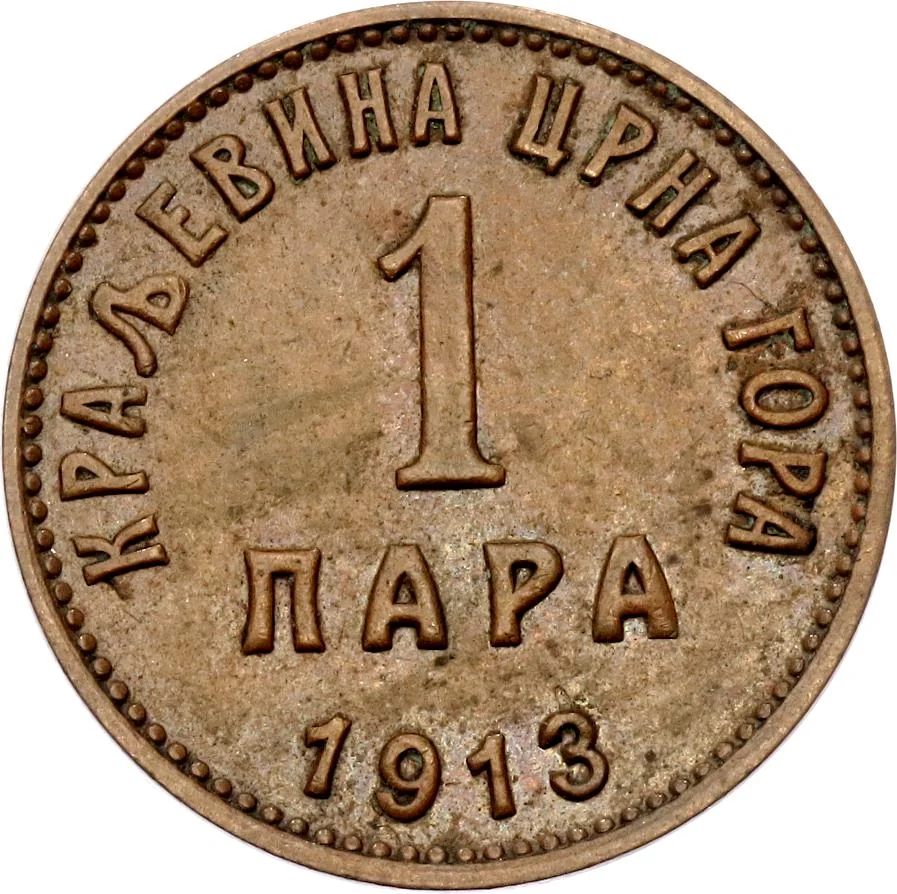
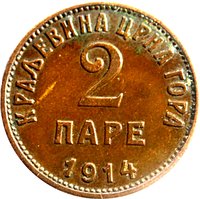
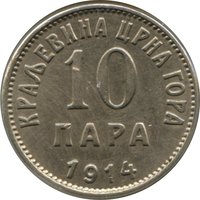
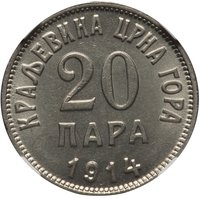
Years: 1913–1914
Issuer: Montenegro
Ruler: Nicholas I
Currency:
(1906—1918)
Demonetized: Yes
Total mintage: 300,000
Material
References
KM: #
Numista: #14794
Obverse
Description:
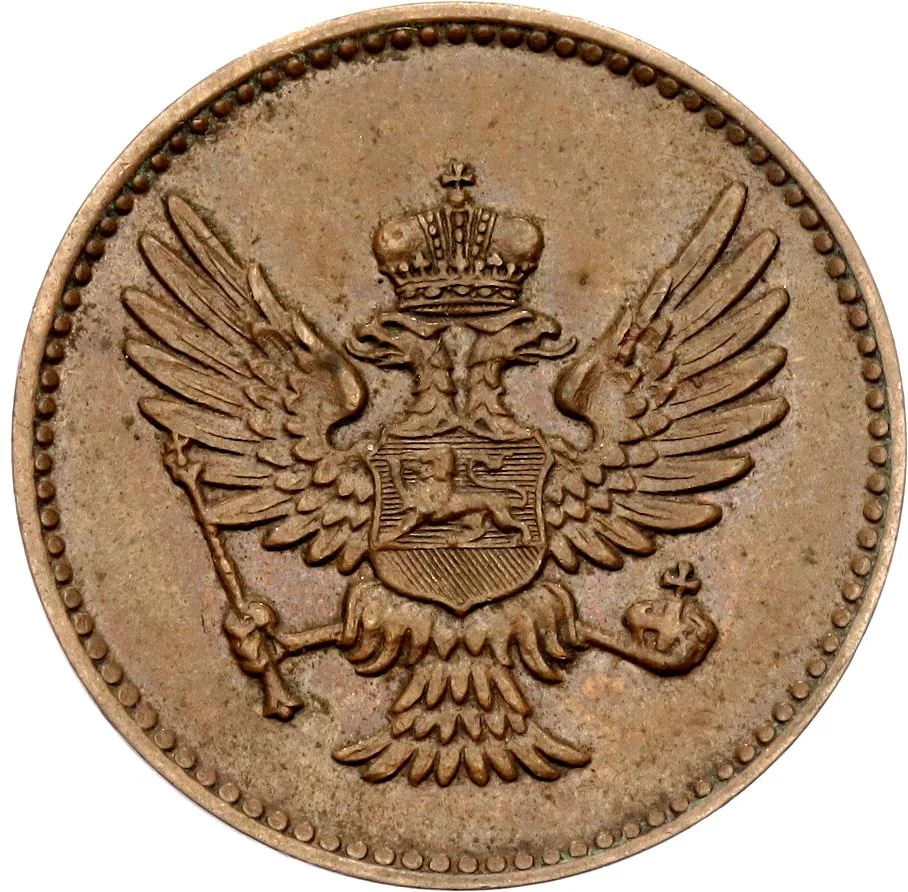
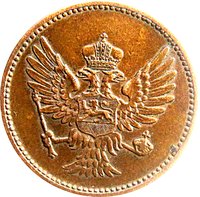
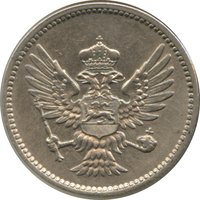
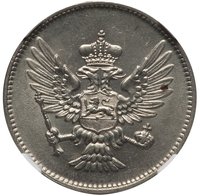
Two-headed eagle coat of arms.
Reverse
Edge
Categories
| Animal> Bird |
| Symbol> Crown |
| Symbols> Coat of Arms |
| Symbol> Double-headed eagle |
| Object> Globus cruciger |
Mintings
| Year | Mint Mark | Mintage | Quality | Collection |
|---|---|---|---|---|
| 1913 | — | 100,000 | ||
| 1914 | — | 200,000 |
Historical background
In 1913, Montenegro existed as an independent kingdom, but its monetary system was a complex and practical reflection of its geopolitical and economic dependencies. The country lacked its own mint and a nationally issued currency in circulation. Instead, its economy operated on a de facto currency union, primarily using the Austro-Hungarian krone (crown). This was a direct consequence of Montenegro's heavy economic ties to the Dual Monarchy, which was its main trading partner and source of investment, particularly for crucial infrastructure projects like the railway to the port of Bar.
Alongside the Austro-Hungarian krone, other foreign currencies also circulated freely, most notably the French gold franc, the Italian lira, the Russian ruble, and the Turkish lira. This multi-currency environment was common in the Balkans, where political borders often did not align with economic zones and where state capacity was limited. The value and acceptance of these coins were based on their precious metal content (gold or silver), and their exchange rates fluctuated with international bullion markets, creating a degree of complexity for everyday transactions.
This monetary arrangement underscored Montenegro's fragile sovereignty. While politically independent after the Congress of Berlin in 1878, its economic life was tethered to larger powers, with Austria-Hungary holding predominant influence. The reliance on foreign specie meant Montenegro had no control over its money supply or exchange rates, leaving its economy vulnerable to external financial policies and shocks. This situation would persist until the upheavals of World War I, after which the Austro-Hungarian krone disappeared, leading to new monetary challenges and eventual integration into the Yugoslav dinar system.
Alongside the Austro-Hungarian krone, other foreign currencies also circulated freely, most notably the French gold franc, the Italian lira, the Russian ruble, and the Turkish lira. This multi-currency environment was common in the Balkans, where political borders often did not align with economic zones and where state capacity was limited. The value and acceptance of these coins were based on their precious metal content (gold or silver), and their exchange rates fluctuated with international bullion markets, creating a degree of complexity for everyday transactions.
This monetary arrangement underscored Montenegro's fragile sovereignty. While politically independent after the Congress of Berlin in 1878, its economic life was tethered to larger powers, with Austria-Hungary holding predominant influence. The reliance on foreign specie meant Montenegro had no control over its money supply or exchange rates, leaving its economy vulnerable to external financial policies and shocks. This situation would persist until the upheavals of World War I, after which the Austro-Hungarian krone disappeared, leading to new monetary challenges and eventual integration into the Yugoslav dinar system.
⭐ Rare