

½ Rupee – Bhutan
Bhutan
Context

Material
Diameter: 21 mm
Weight: 4.41 g
Thickness: 2.5 mm
Shape: Irregular round
Composition: Copper
Magnetic: No
Technique: Hammered
Alignment: Coin alignment
flip
References
KM: #Click to copy to clipboard7.3
Numista: #454150
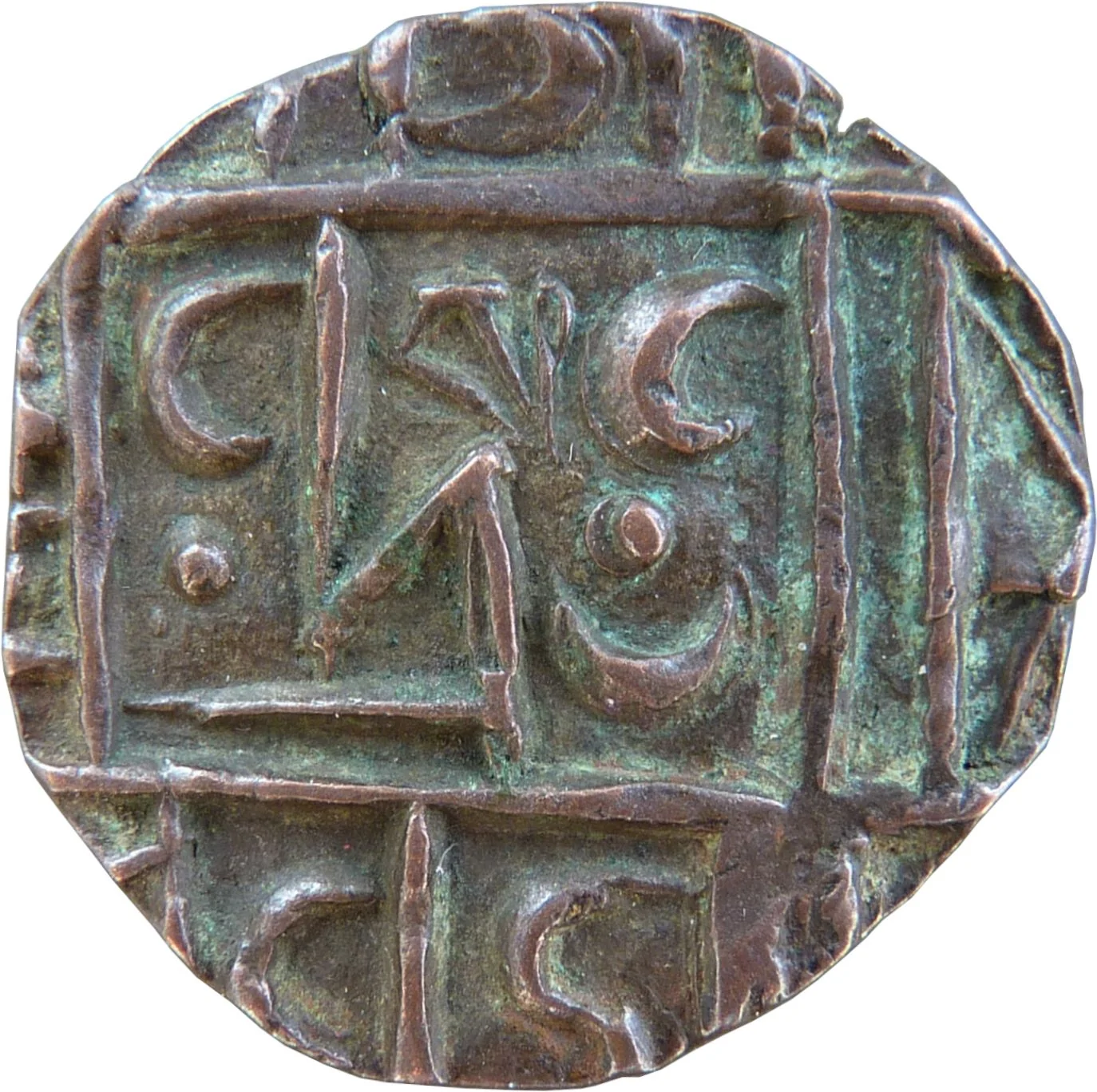
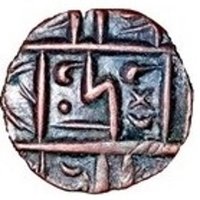
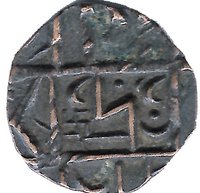
Obverse
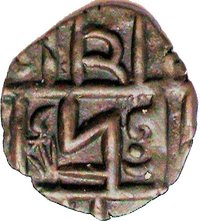
Description:
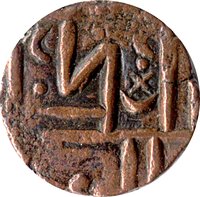
"Sa" to the right of "Ndra," with "Ra" attached to the vertical line.
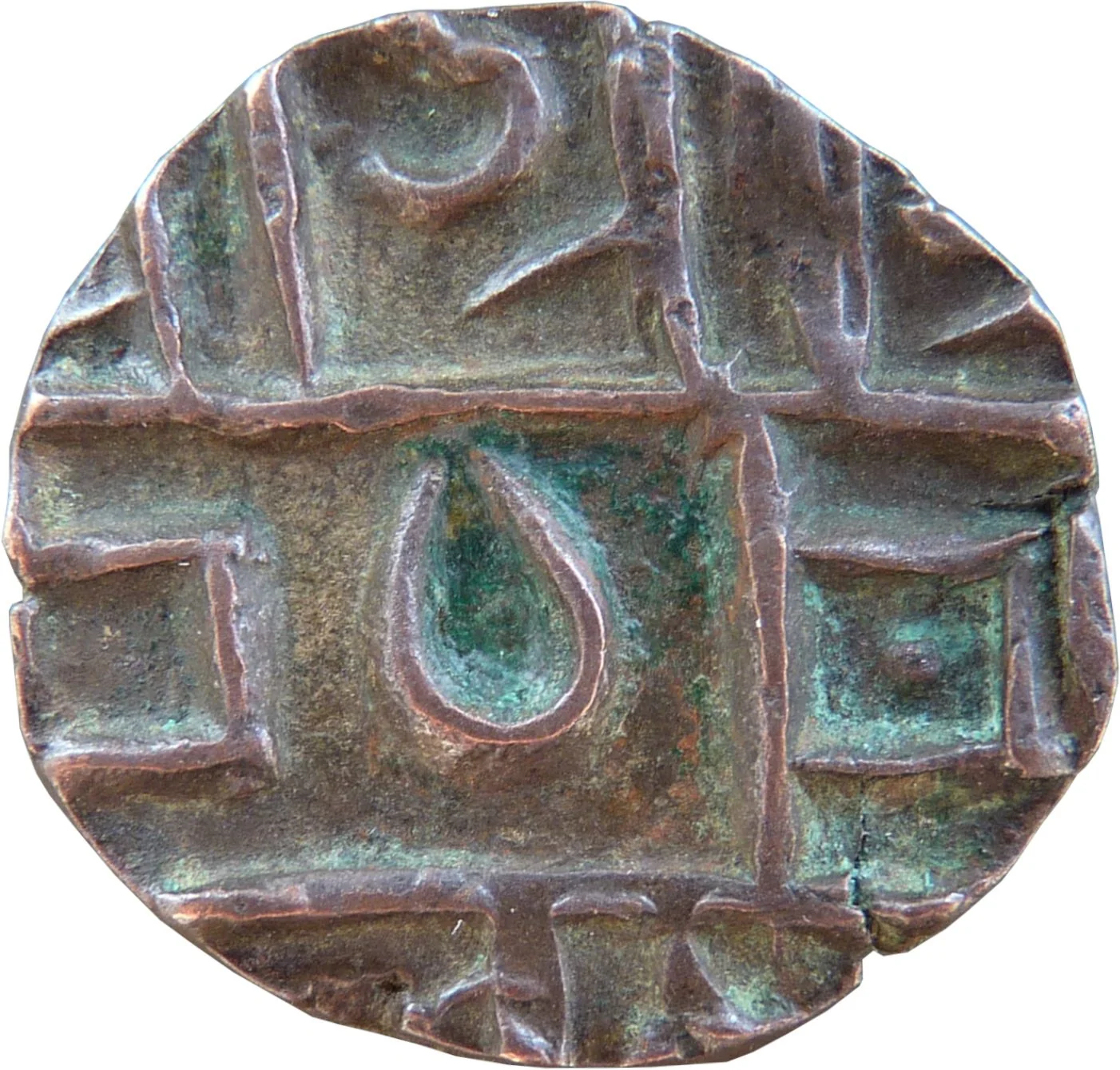
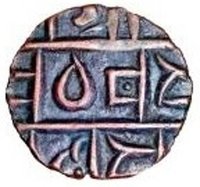
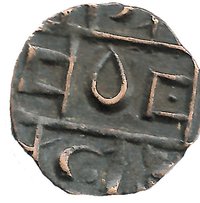
Reverse
Edge
Mintings
| Year | Mint Mark | Mintage | Quality | Collection |
|---|---|---|---|---|
| — | — | — |
Historical background
In 1835, Bhutan’s currency situation was characterized by a complex duality, operating within both a traditional barter economy and a nascent monetary system heavily influenced by its powerful neighbors. Internally, the exchange of goods like rice, butter, cloth, and dzo (a cattle hybrid) remained the bedrock of local trade and tax payments, especially in remote valleys. However, the increasing integration into regional trade networks necessitated the use of coined money, which Bhutan did not mint itself. Consequently, the kingdom was awash with a variety of foreign silver coins, primarily from British India.
The dominant currency in circulation was the British Indian rupee and its fractional coins, a consequence of growing political and economic ties following the Treaty of Sinchula in 1865 (which would come three decades later, indicating the rupee's influence was already building by 1835 through earlier contact). Alongside these, Tibetan tangka silver coins and Chinese silver sycee ingots also circulated, particularly in northern and eastern regions due to cross-border trade with Tibet. This created a fragmented monetary landscape where exchange rates between different coins were fluid and often locally determined, complicating commerce.
This reliance on external currency reflected Bhutan’s geopolitical and economic position as a small Himalayan kingdom caught between two empires. The lack of a sovereign mint underscored its limited economic autonomy at the time, as its medium of exchange was subject to the monetary policies and silver supplies of foreign powers. The currency situation of 1835 thus serves as a clear indicator of Bhutan’s transitional economy, still rooted in tradition but increasingly pulled into the monetary systems of the British Empire and the Tibetan plateau, which would shape its financial trajectory throughout the 19th century.
The dominant currency in circulation was the British Indian rupee and its fractional coins, a consequence of growing political and economic ties following the Treaty of Sinchula in 1865 (which would come three decades later, indicating the rupee's influence was already building by 1835 through earlier contact). Alongside these, Tibetan tangka silver coins and Chinese silver sycee ingots also circulated, particularly in northern and eastern regions due to cross-border trade with Tibet. This created a fragmented monetary landscape where exchange rates between different coins were fluid and often locally determined, complicating commerce.
This reliance on external currency reflected Bhutan’s geopolitical and economic position as a small Himalayan kingdom caught between two empires. The lack of a sovereign mint underscored its limited economic autonomy at the time, as its medium of exchange was subject to the monetary policies and silver supplies of foreign powers. The currency situation of 1835 thus serves as a clear indicator of Bhutan’s transitional economy, still rooted in tradition but increasingly pulled into the monetary systems of the British Empire and the Tibetan plateau, which would shape its financial trajectory throughout the 19th century.
Series: 1835 Bhutan circulation coins
✨ Legendary