

10 Euro (Sofia Vembo) – Greece
Non-circulating coins
Commemoration: 100 Years Since Sofia Vembo's Birth
Greece
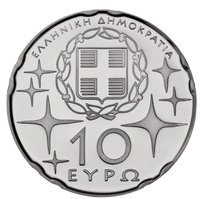
Obverse
Description:
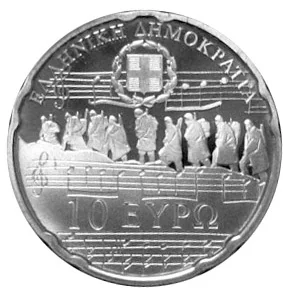
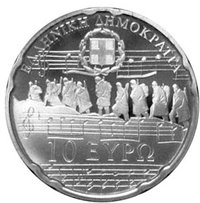
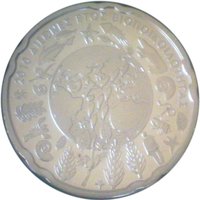
The Greek national emblem, a stave, and the €10 denomination are shown.
Inscription:
ΕΛΛΗΝΙΚΗ ΔΗΜΟΚΡΑΤΙΑ
10 ΕΥΡΩ
10 ΕΥΡΩ
Translation:
HELLENIC REPUBLIC
10 EURO
10 EURO
Script: Greek
Language: Greek
Engraver: Geórgios Stamatópoulos
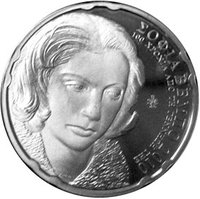
Reverse
Description:
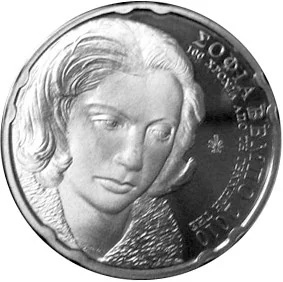
Portrait of Greek singer Sofia Vempo with "100 YEARS SINCE HER BIRTH" logo.
Inscription:
ΣΟΦΙΑ ΒΕΜΠΟ 2010
100 ΧΡΟΝΙΑ ΑΠΟ ΤΗ ΓΕΝΝΗΣΗ ΤΗΣ
100 ΧΡΟΝΙΑ ΑΠΟ ΤΗ ΓΕΝΝΗΣΗ ΤΗΣ
Translation:
SOPHIA VEMBO 2010
100 YEARS FROM THE BIRTH OF HER
100 YEARS FROM THE BIRTH OF HER
Script: Greek
Language: Greek
Engraver: Geórgios Stamatópoulos
Edge
Smooth with ten indentations ("Spanish flower")
Categories
| Art> Music |
| Symbols> Coat of Arms |
| Event> Birth anniversary |
Mints
| Name | Mark |
|---|---|
| National Mint of the Bank of Greece | — |
Mintings
| Year | Mint Mark | Mintage | Quality | Collection |
|---|---|---|---|---|
| 2010 | — | 5,000 | Proof |
Historical background
In 2010, Greece found itself at the epicenter of a sovereign debt crisis that threatened the stability of the entire Eurozone. The root causes were years of excessive government spending, widespread tax evasion, and structural inefficiencies, which were masked by unreliable accounting and exacerbated by the global financial crisis of 2008. This led to a massive budget deficit and a public debt level soaring to over 115% of GDP, causing investors to lose confidence. Greece was effectively locked out of international bond markets, unable to refinance its debt, and faced the imminent risk of a disorderly default.
As a member of the Eurozone, Greece did not control its own currency and could not devalue it to regain competitiveness or print money to service its debts. This lack of monetary sovereignty left the government with only two stark choices: default and potentially exit the euro, or seek a bailout from its European partners and the International Monetary Fund (IMF) in exchange for severe austerity measures. In May 2010, the first of three international bailouts was agreed, totaling €110 billion, conditional on implementing deep spending cuts, tax increases, and sweeping economic reforms.
The resulting austerity program had profound social and economic consequences, plunging Greece into a deep recession, driving unemployment to record highs, and triggering significant social unrest. The currency situation remained precarious, as speculation about a "Grexit" – a Greek exit from the euro and a return to the drachma – persisted for years, creating ongoing uncertainty for banks and businesses. The 2010 crisis thus marked the beginning of a prolonged economic depression, fundamentally testing the political and architectural resilience of the European single currency project.
As a member of the Eurozone, Greece did not control its own currency and could not devalue it to regain competitiveness or print money to service its debts. This lack of monetary sovereignty left the government with only two stark choices: default and potentially exit the euro, or seek a bailout from its European partners and the International Monetary Fund (IMF) in exchange for severe austerity measures. In May 2010, the first of three international bailouts was agreed, totaling €110 billion, conditional on implementing deep spending cuts, tax increases, and sweeping economic reforms.
The resulting austerity program had profound social and economic consequences, plunging Greece into a deep recession, driving unemployment to record highs, and triggering significant social unrest. The currency situation remained precarious, as speculation about a "Grexit" – a Greek exit from the euro and a return to the drachma – persisted for years, creating ongoing uncertainty for banks and businesses. The 2010 crisis thus marked the beginning of a prolonged economic depression, fundamentally testing the political and architectural resilience of the European single currency project.
💎 Very Rare