

1 dollar – Canada
Add to wishlist
Circulating commemorative coins
Commemoration: Union of Newfoundland and the Dominion of Canada.
Canada
Context
Material
References
KM: #
Numista: #452
Value
Exchange value: 1 CAD
Bullion value: $47.66
Inflation-adjusted value: 13.78 CAD
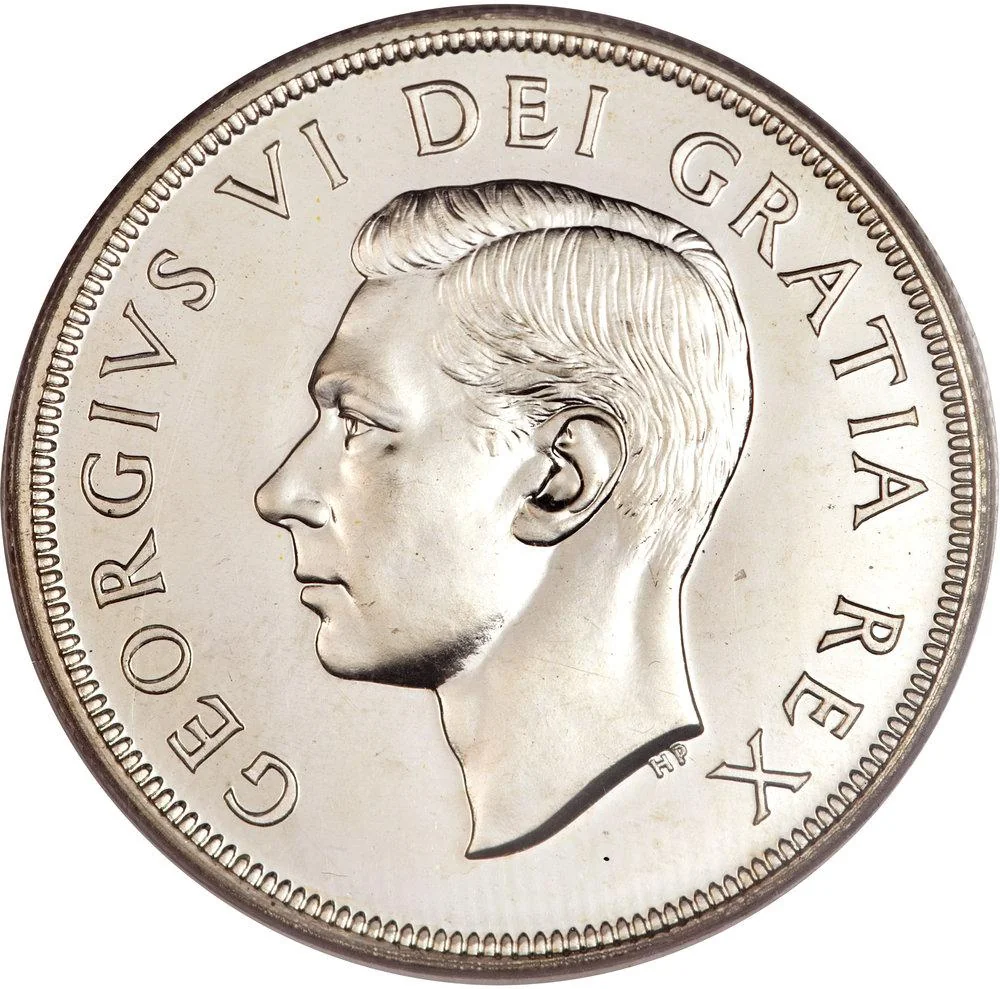
Obverse
Description:
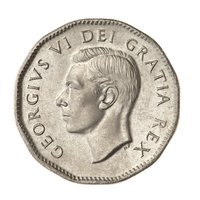
King George VI left-facing portrait.
Inscription:
GEORGIVS VI DEI GRATIA REX
Translation:
George VI by the Grace of God King
Script: Latin
Language: Latin
Designer: Thomas Humphrey Paget
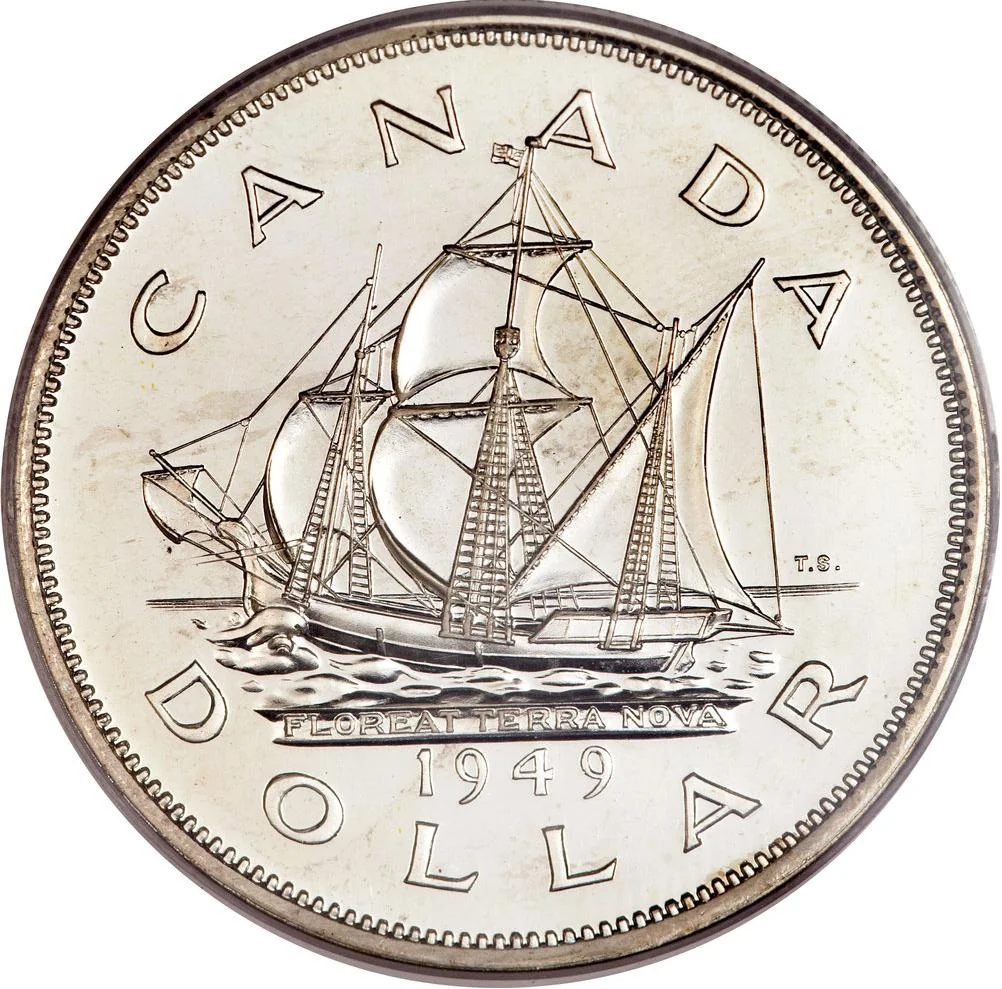
Reverse
Description:
The Matthew, believed to be John Cabot's ship, above the Latin inscription "FLOREAT TERRA NOVA" and the face value, with "CANADA" below.
Inscription:
CANADA
FLOREAT TERRA NOVA
1949
DOLLAR
T.S.
FLOREAT TERRA NOVA
1949
DOLLAR
T.S.
Translation:
CANADA
MAY THE NEWFOUNDLAND FLOURISH
1949
DOLLAR
T.S.
MAY THE NEWFOUNDLAND FLOURISH
1949
DOLLAR
T.S.
Script: Latin
Engraver: Ernest Maunder
Designer: Thomas Shingles
Edge
Milled
Categories
| Transportation> Watercraft |
Mints
| Name | Mark |
|---|---|
| Royal Canadian Mint of Ottawa | — |
Mintings
| Year | Mint Mark | Mintage | Quality | Collection |
|---|---|---|---|---|
| 1949 | — | 672,218 | ||
| 1949 | — | — | Proof |
Historical background
In 1949, Canada's currency situation was defined by its position within the evolving Bretton Woods system of fixed exchange rates. The Canadian dollar was pegged to the US dollar at a rate of 1.10 Canadian dollars to 1 US dollar, a parity established in 1946. This "fixed but adjustable" peg was maintained by the Bank of Canada, which held substantial gold and US dollar reserves to intervene in foreign exchange markets and ensure stability. This system aimed to facilitate post-war reconstruction and international trade by providing predictable exchange rates, tying Canada's monetary policy closely to that of the United States.
However, this period also marked the beginning of significant pressure on the peg. Post-war economic expansion in Canada, driven by resource exports and investment, led to a large influx of US capital. This created upward pressure on the Canadian dollar, as demand for the currency increased. Simultaneously, in September 1949, a major realignment occurred within the Bretton Woods system when the United Kingdom devalued the pound sterling by 30.5%. This triggered a wave of devaluations by other currencies, but Canada notably chose not to follow suit, maintaining its existing parity with the US dollar.
The decision to hold the peg in 1949 proved to be a short-lived equilibrium. The mounting speculative capital flows and the fundamental strength of the Canadian economy made the fixed rate increasingly difficult to defend. These pressures would culminate just one year later, in 1950, when Canada made a historic break from the Bretton Woods orthodoxy by abandoning its fixed peg altogether. It became the first major nation to let its currency float freely, a move that reflected the unique pressures of its economic relationship with the United States and its desire for greater independent monetary control. Thus, 1949 stands as the final year of a managed regime before a bold experiment in flexibility.
However, this period also marked the beginning of significant pressure on the peg. Post-war economic expansion in Canada, driven by resource exports and investment, led to a large influx of US capital. This created upward pressure on the Canadian dollar, as demand for the currency increased. Simultaneously, in September 1949, a major realignment occurred within the Bretton Woods system when the United Kingdom devalued the pound sterling by 30.5%. This triggered a wave of devaluations by other currencies, but Canada notably chose not to follow suit, maintaining its existing parity with the US dollar.
The decision to hold the peg in 1949 proved to be a short-lived equilibrium. The mounting speculative capital flows and the fundamental strength of the Canadian economy made the fixed rate increasingly difficult to defend. These pressures would culminate just one year later, in 1950, when Canada made a historic break from the Bretton Woods orthodoxy by abandoning its fixed peg altogether. It became the first major nation to let its currency float freely, a move that reflected the unique pressures of its economic relationship with the United States and its desire for greater independent monetary control. Thus, 1949 stands as the final year of a managed regime before a bold experiment in flexibility.
🌱 Common