Logo Title
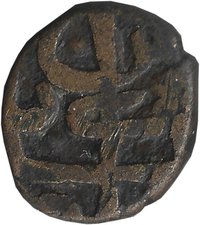
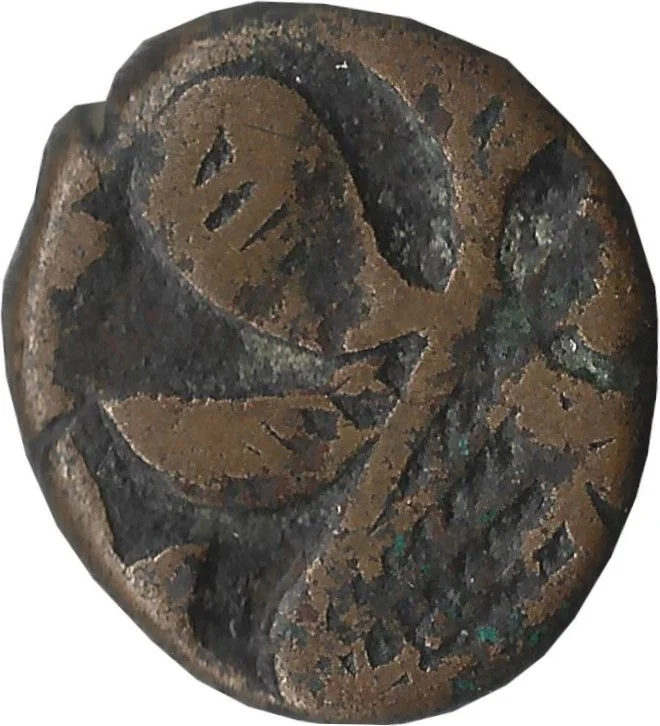
obverse
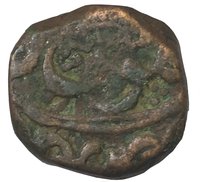
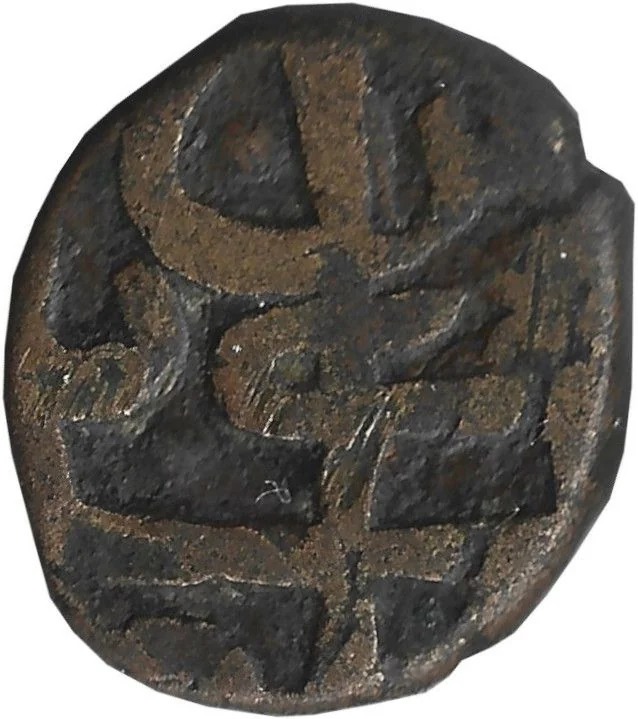
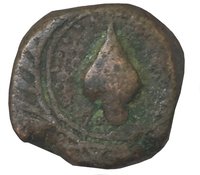
reverse
SGreg85 CC BY-SA
Afghanistan
Context
Year: 1879
Islamic (Hijri) Year: 1296
Country: Afghanistan Country flag
Issuer: City of Kabul
Currency:
(1747—1891)
Demonetized: Yes
Material
Diameter: 16 mm
Weight: 6.6 g
Thickness: 5 mm
Composition: Copper
Magnetic: No
Technique: Hammered
Alignment: Medal alignment
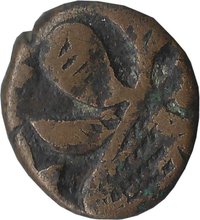
Obverse
OBVERSE ↑
flip
Reverse
REVERSE ↑
References
Numista: #451490

Obverse

Description:
Bud and leaves on stem.

Reverse

Description:
Inscribed with date.
Script: Arabic

Edge

Plain.
Mints

NameMark
Kabul

Mintings

YearMint MarkMintageQualityCollection
1879

Historical background

In 1879, Kabul was a city in monetary turmoil, caught between the collapse of the Afghan state and the demands of a British military occupation. Following the assassination of the British envoy Sir Louis Cavagnari in September, British forces under General Frederick Roberts re-invaded and occupied the city. The Afghan treasury was virtually empty, and the authority of the new Amir, Yakub Khan, had evaporated, leaving no central power to guarantee the value of the currency in circulation. This created a crisis of confidence, with merchants and citizens unsure which coins would be accepted and at what value.

The currency in use was a fragmented mix of old Afghan rupees, Persian krans, Bukharan tillas, and even older Mughal coins. The most critical issue was the severe debasement of the silver Kabuli rupee by previous rulers. Its silver content had become so unreliable that it traded at a steep discount to the British Indian rupee, which was seen as stable and trustworthy. In the markets, this led to a dual-system and rampant confusion, with British troops and suppliers insisting on payment in Indian rupees, while the local population struggled with their depreciating currency, exacerbating inflation and hardship.

The British occupation authority attempted to impose order by mandating the use of Indian rupees for official purposes and military procurement. However, they lacked the silver reserves to fully replace the local currency, forcing a chaotic coexistence. This monetary disarray was not just an economic inconvenience; it was a potent symbol of the fractured sovereignty and social disruption in Kabul. The currency crisis deepened the gulf between the occupiers and the occupied, fueling resentment and contributing to the instability that would culminate in the British withdrawal from Kabul later that same year.
Legendary