Logo Title
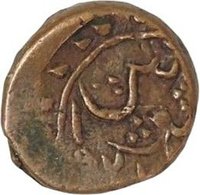
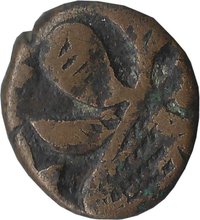
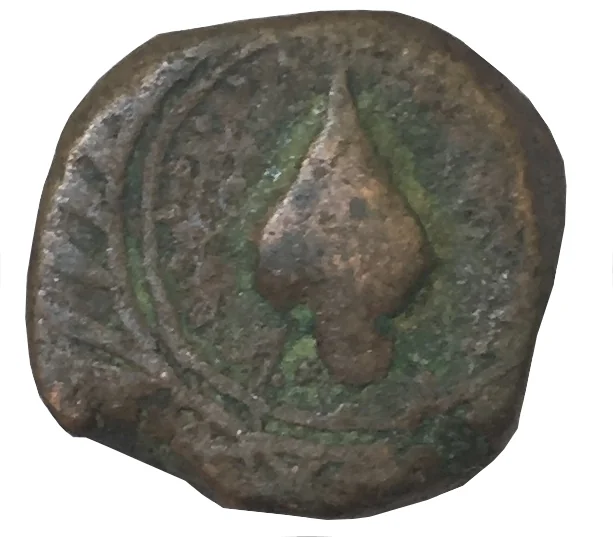
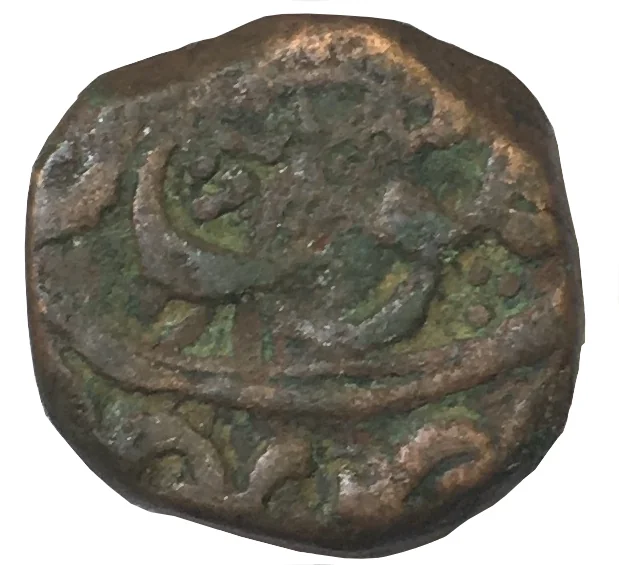
obverse
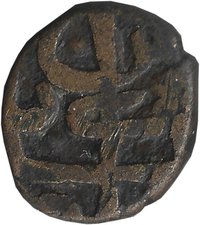
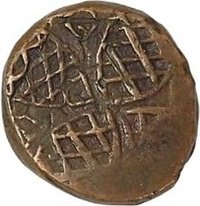
reverse
apuking CC BY-SA
Afghanistan
Context
Year: 1869
Islamic (Hijri) Year: 1285
Country: Afghanistan Country flag
Issuer: City of Kabul
Currency:
(1747—1891)
Demonetized: Yes
Material
Diameter: 16 mm
Weight: 5.6 g
Composition: Copper
Magnetic: No
Technique: Hammered
References
KM: #Click to copy to clipboardB79
Numista: #147595

Obverse

Description:
Arrowhead.

Reverse

Description:
Falus, Kabul.

Edge

Plain
Mints

NameMark
Kabul

Mintings

YearMint MarkMintageQualityCollection
1869

Historical background

In 1869, Kabul was the capital of the Emirate of Afghanistan under the rule of Amir Sher Ali Khan. The city’s currency situation reflected a period of transition and consolidation, as the Amir sought to strengthen central authority after decades of internal strife. The monetary system was a complex mosaic, with various silver and gold coins from different reigns in circulation, including older issues from his predecessors, Dost Mohammad Khan and even Shah Shuja. This created practical challenges for trade, as the weight, purity, and legitimacy of coins were often in question, leading to a reliance on money-changers (sarraf) who were essential to daily commerce.

The primary unit of account was the silver rupee, but there was no single, standardized coin. The Kabuli rupee competed with the Kandahari rupee and the Peshawar rupee, each with different silver content and value, complicating transactions within the city's bustling bazaars. Alongside these, British Indian rupees, Persian krans, and Russian imperials circulated due to regional trade, further fragmenting the monetary landscape. Sher Ali Khan, recognizing the political and economic importance of a unified currency, had begun minting his own coins at the Kabul mint as a symbol of sovereignty, but these new issues had not yet fully displaced the older, heterogeneous coinage.

Thus, the currency situation in Kabul in 1869 was one of fragmentation amidst centralizing reform. The city’s economy functioned through a decentralized and pragmatic system, yet the state was actively working to impose order. This effort was part of Sher Ali Khan’s broader modernizing projects, which included military and administrative reforms, and was deeply intertwined with the geopolitical pressures of the Great Game, as both the British and Russian empires sought influence, making monetary sovereignty a key concern for the Afghan state.
💎 Extremely Rare