

1 shilling – Nigeria
Add to wishlist
Nigeria
Context
Years: 1959–1962
Issuer: Nigeria
Ruler: Elizabeth II
Currency:
(1918—1973)
Demonetization: 1973
Total mintage: 106,006,031
Material
References
KM: #
Numista: #4512
Obverse
Description:
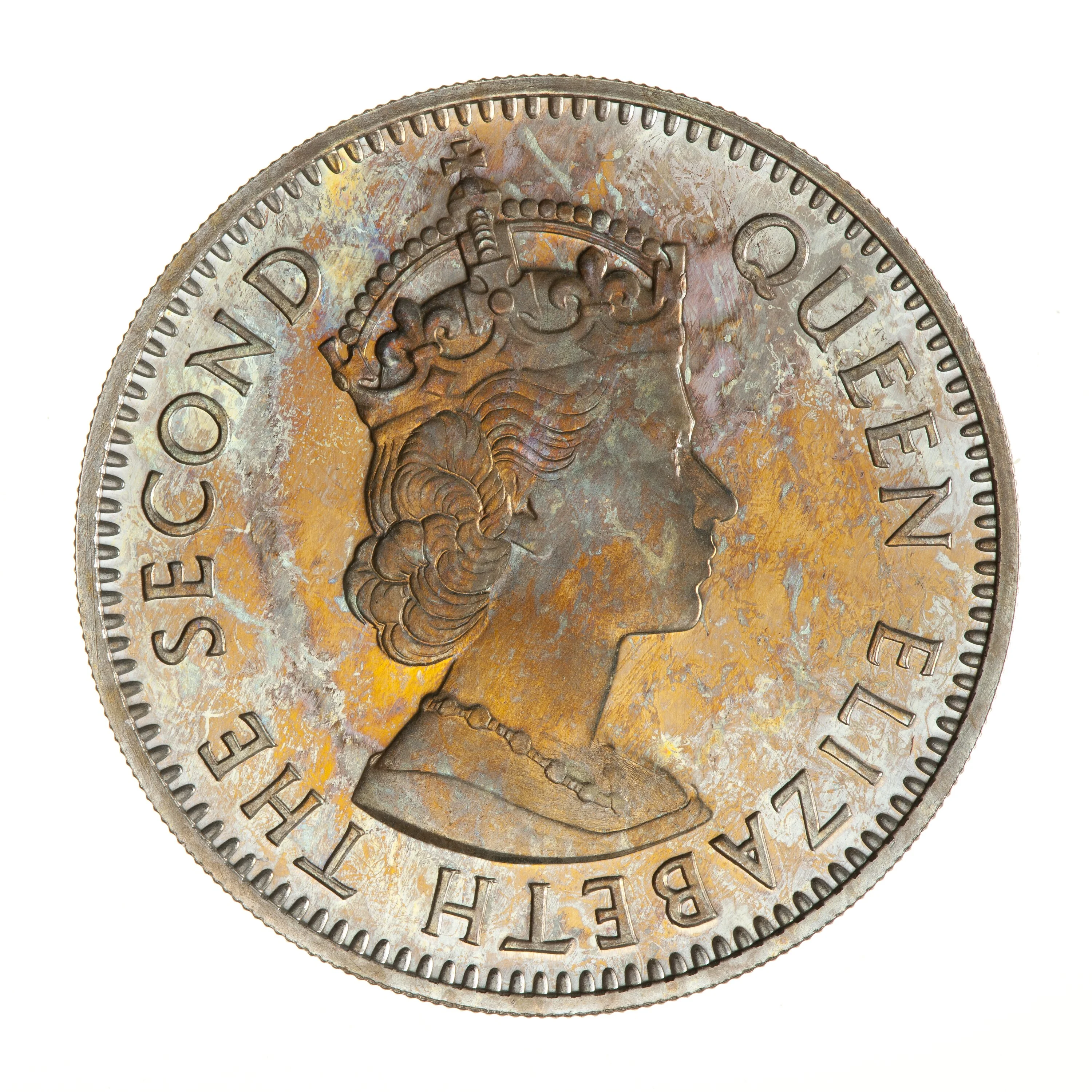
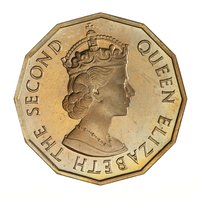
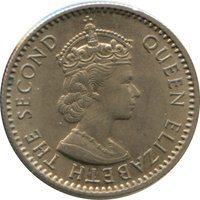
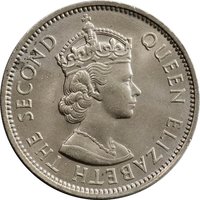
Queen Elizabeth II crowned bust facing right.
Inscription:
QUEEN ELIZABETH THE SECOND
CT
CT
Script: Latin
Engraver: Cecil Thomas
Reverse
Description:
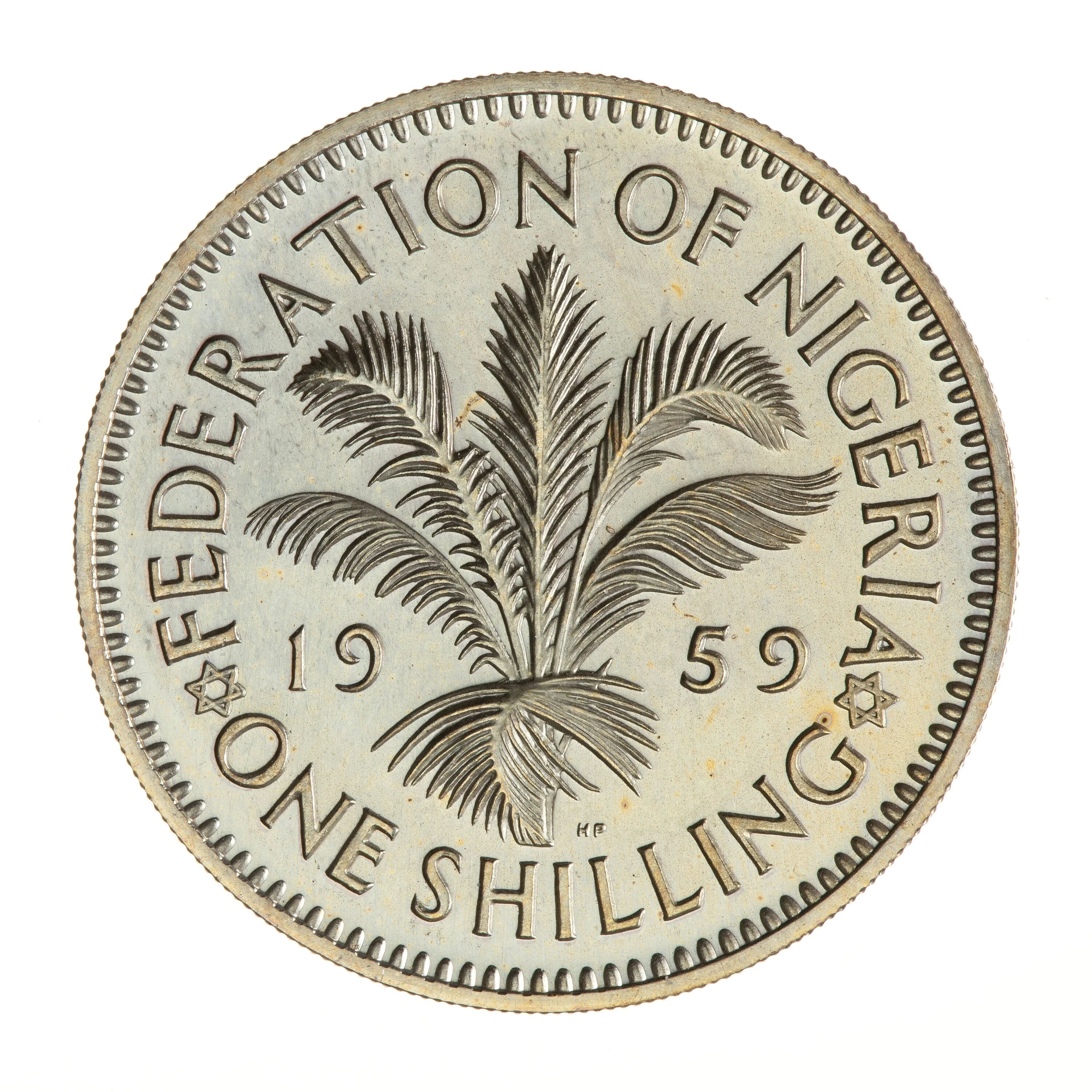
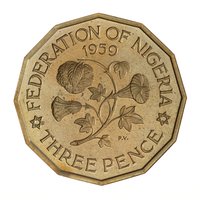
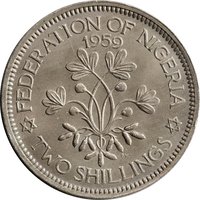
Arecaceae family plants.
Inscription:
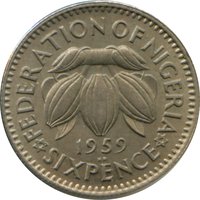
FEDERATION OF NIGERIA
1959
HP
ONE SHILLING
1959
HP
ONE SHILLING
Script: Latin
Engraver: Thomas Humphrey Paget
Edge
Security edge
Mints
| Name | Mark |
|---|---|
| Royal Mint (Tower Hill) | — |
Mintings
| Year | Mint Mark | Mintage | Quality | Collection |
|---|---|---|---|---|
| 1959 | — | 18,000,000 | ||
| 1959 | — | 6,031 | Proof | |
| 1961 | — | 48,584,000 | ||
| 1962 | — | 39,416,000 |
Historical background
In 1959, Nigeria stood on the cusp of independence, and its currency system was a central pillar in the transition from colonial dependency to sovereign nationhood. At the time, the West African Currency Board (WACB), established by the British in 1912, was still the monetary authority. It issued the West African Pound, which was pegged at par with the British Pound Sterling and used across several British West African territories. This system ensured stability and convertibility but was fundamentally extractive, designed to facilitate colonial trade and remittances to London rather than to foster domestic economic development or monetary policy tailored to Nigeria's needs.
Recognising that a shared currency board was incompatible with impending sovereignty, the Nigerian government took decisive legislative action. The Central Bank of Nigeria (CBN) was established in 1958 and began operations in July 1959, with the mandate to manage the country's currency and oversee its banking system. A key milestone followed on 1st July 1959, when the CBN issued Nigeria's first distinct national currency: the Nigerian Pound (£N), which replaced the West African Pound. The new notes and coins featured uniquely Nigerian symbols and portraits, a powerful visual assertion of national identity.
Thus, the currency situation in 1959 was one of profound and successful changeover. The Nigerian Pound was initially maintained at parity with the British Pound Sterling, ensuring a smooth transition in international trade. However, the foundational shift was political and institutional: control over currency issuance and monetary policy had been decisively transferred from a colonial board in London to the new Central Bank in Lagos. This move was a critical step in securing economic self-determination as Nigeria prepared for its official independence on 1st October 1960.
Recognising that a shared currency board was incompatible with impending sovereignty, the Nigerian government took decisive legislative action. The Central Bank of Nigeria (CBN) was established in 1958 and began operations in July 1959, with the mandate to manage the country's currency and oversee its banking system. A key milestone followed on 1st July 1959, when the CBN issued Nigeria's first distinct national currency: the Nigerian Pound (£N), which replaced the West African Pound. The new notes and coins featured uniquely Nigerian symbols and portraits, a powerful visual assertion of national identity.
Thus, the currency situation in 1959 was one of profound and successful changeover. The Nigerian Pound was initially maintained at parity with the British Pound Sterling, ensuring a smooth transition in international trade. However, the foundational shift was political and institutional: control over currency issuance and monetary policy had been decisively transferred from a colonial board in London to the new Central Bank in Lagos. This move was a critical step in securing economic self-determination as Nigeria prepared for its official independence on 1st October 1960.
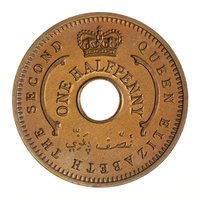
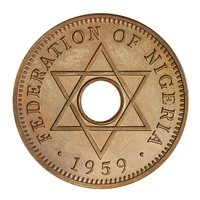
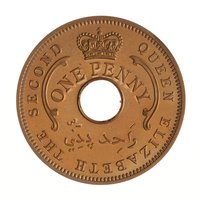
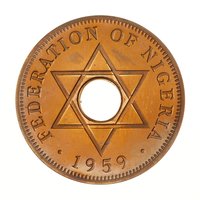
Series: 1959 Nigeria circulation coins
🌱 Very Common