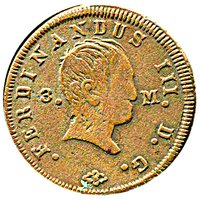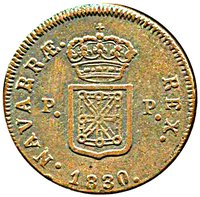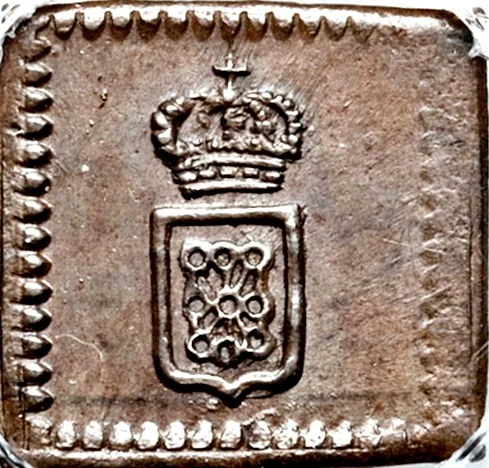
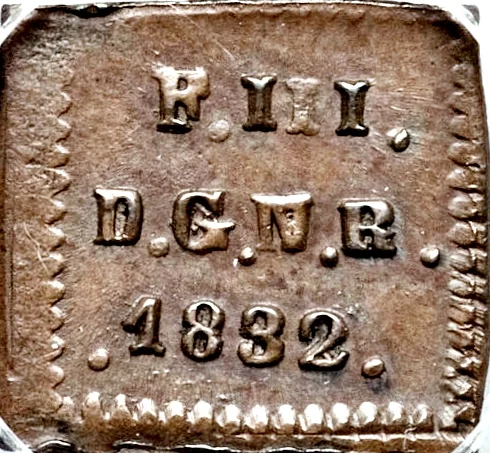
In 1832, the Kingdom of Navarre found itself in a complex and transitional currency situation, caught between its historic traditions and the political realities of post-Napoleonic Spain. Following the abolition of the
Cortes (parliament) and the
fueros (traditional laws) in 1839, this period was one of the final years where Navarre still formally possessed its own distinct monetary rights under its historic charter. However, in practice, the Spanish monetary system, centered on the
real and the
peseta, was increasingly dominant in daily commerce and official accounts.
The actual circulating medium was a mixture of coins. Alongside Spanish coinage issued by the monarchy in Madrid, older Spanish-American and even French coins from the recent Peninsular War still circulated widely, leading to a fragmented and often confusing monetary environment. The value and acceptance of these coins could vary, creating challenges for trade. While Navarre had historically minted its own coinage in Pamplona, this right had been largely dormant for centuries, and no significant local currency was being produced in 1832.
Therefore, the background of Navarre's currency in 1832 is one of legal ambiguity overshadowed by practical integration. The kingdom's theoretical right to a separate monetary system was a fading symbol of its autonomy, while the de facto use of Spanish coinage reflected its deepening incorporation into the centralized Spanish state. This duality would soon be formally ended with the complete suppression of the
fueros after the First Carlist War, fully aligning Navarre's currency with that of the rest of Spain.