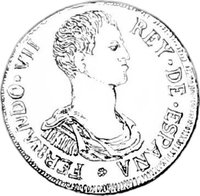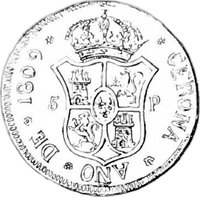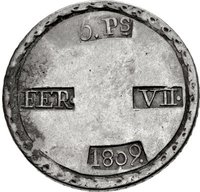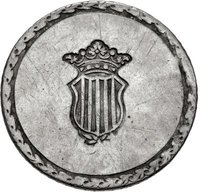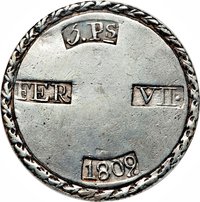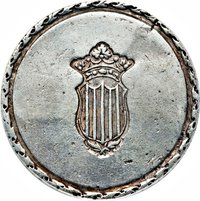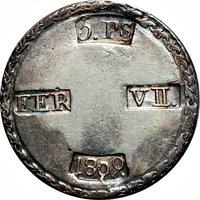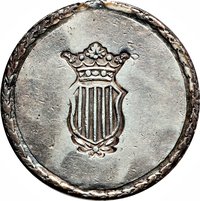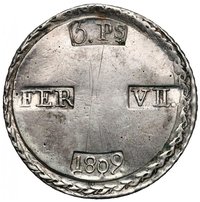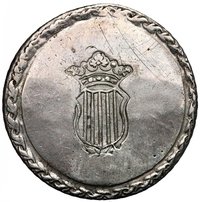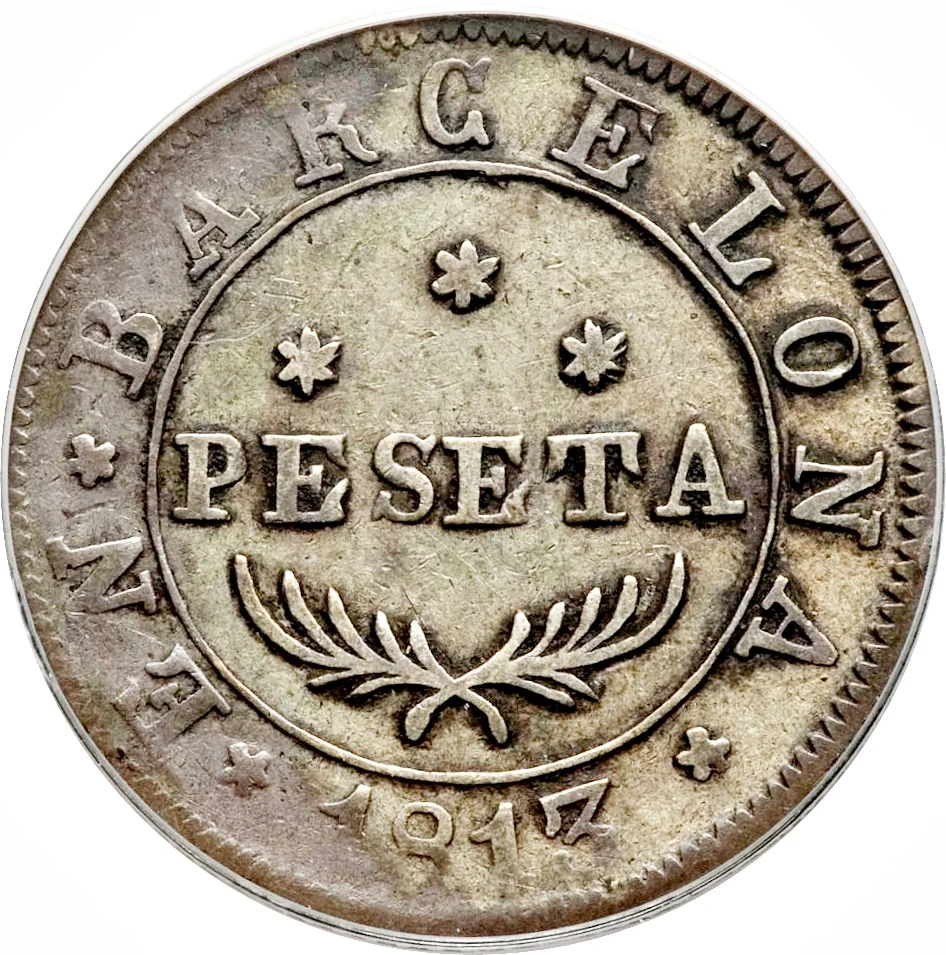
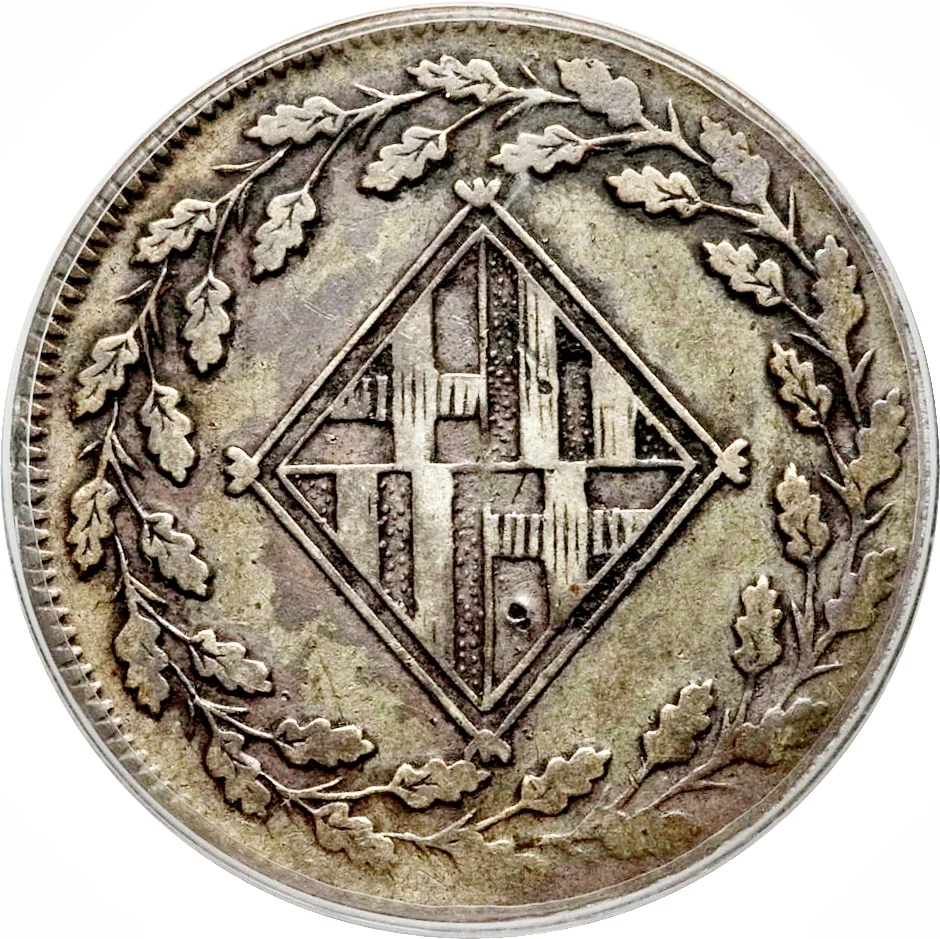
In 1809, the Principality of Catalonia was a warzone, deeply entangled in the Peninsular War (1808-1814). Following Napoleon's invasion of Spain and the capture of the Spanish royal family, the region was under severe military and political strain. While a French army occupied much of Catalonia, including Barcelona, Spanish resistance forces and local
miquelets (irregular troops) controlled significant rural and mountainous areas. This division created a fractured economic landscape, with competing authorities issuing currency to fund their war efforts, leading to monetary chaos.
The currency situation was defined by emergency emissions and severe inflation. The occupying French authorities, under Marshal Augereau, introduced a forced paper currency, the
vales reales (royal vouchers), but these were widely distrusted and circulated at a steep discount. More critically, the Spanish resistance government, the Junta Superior del Principado de Cataluña, operating from the unoccupied city of Gerona (until its fall in December 1809) and later from Tarragona, resorted to printing its own paper money to pay troops and suppliers. This provisional currency, lacking substantial bullion reserves and backed only by the promise of future redemption, rapidly depreciated as the military situation worsened.
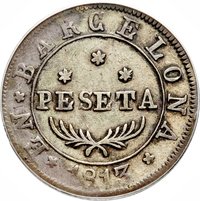
Consequently, daily commerce was crippled. The proliferation of unstable paper money from both sides eroded public trust, leading to a widespread preference for scarce silver coinage (reales and pesetas), which commanded a high premium. Barter became a common alternative for basic goods. This monetary anarchy reflected the broader collapse of civil administration and the extreme pressures of a brutal war of occupation, where fiscal policy was entirely subordinated to the immediate and desperate need to sustain military forces.