

1 mun – Joseon
Add to wishlist
Context
Material
Diameter: 24 mm
Weight: 4.3 g
Thickness: 1.2 mm
Shape: Round with a square hole
Composition: Bronze
Magnetic: No
Technique: Cast
Alignment: Medal alignment
flip
References
KM: #
Numista: #448614
Obverse
Description:
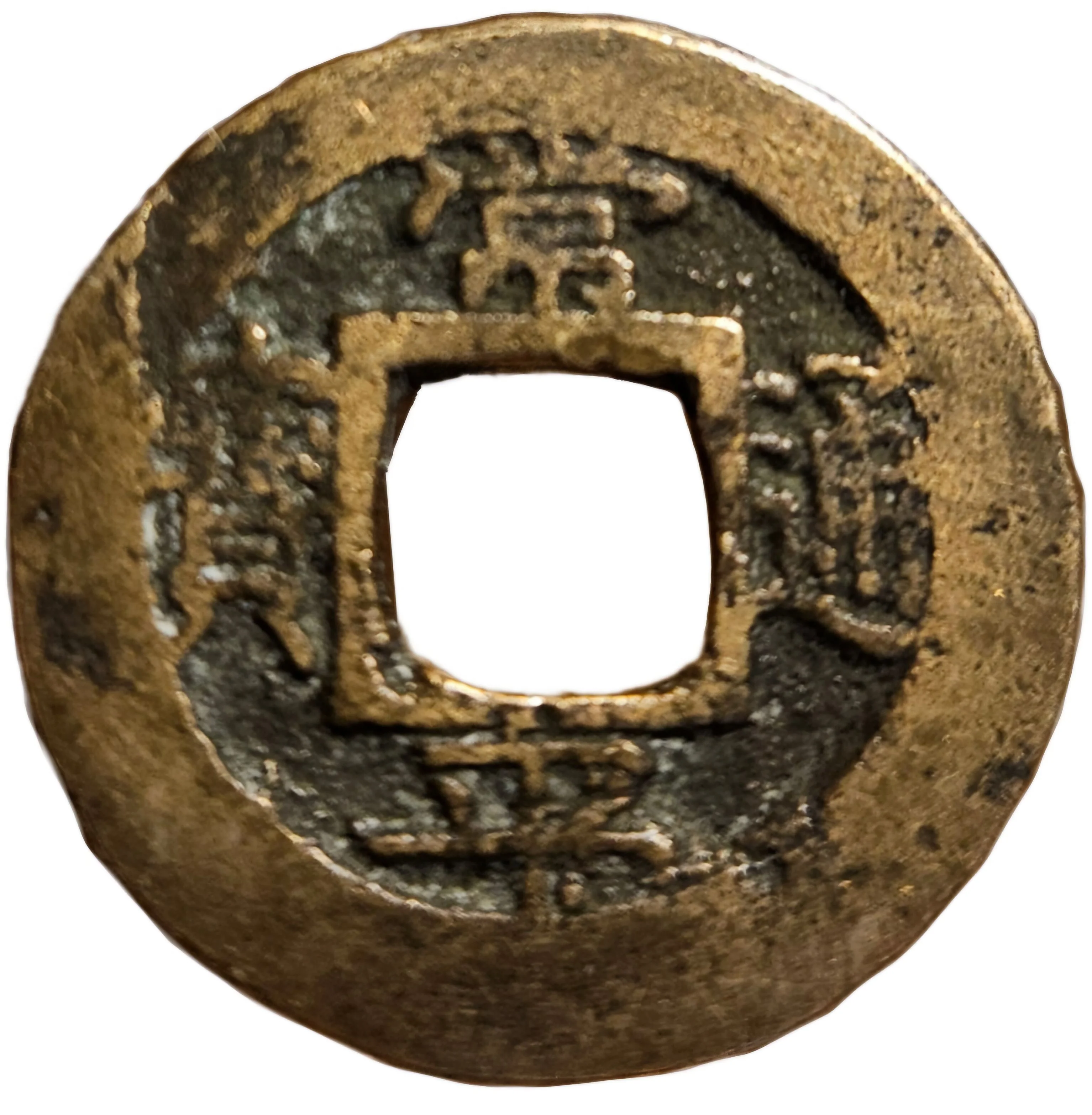
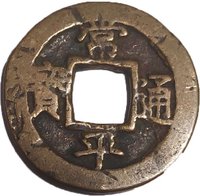
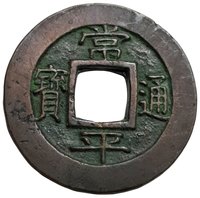
常平通寶 (Sang pyong Tong bo)
Inscription:
ㅤ常
寶 通
平
寶 通
平
Translation:
Eternal Treasure
Circulating Currency
Standard Coin
Circulating Currency
Standard Coin
Scripts: Chinese (traditional, regular script)
Language: Classical Chinese
Reverse
Description:
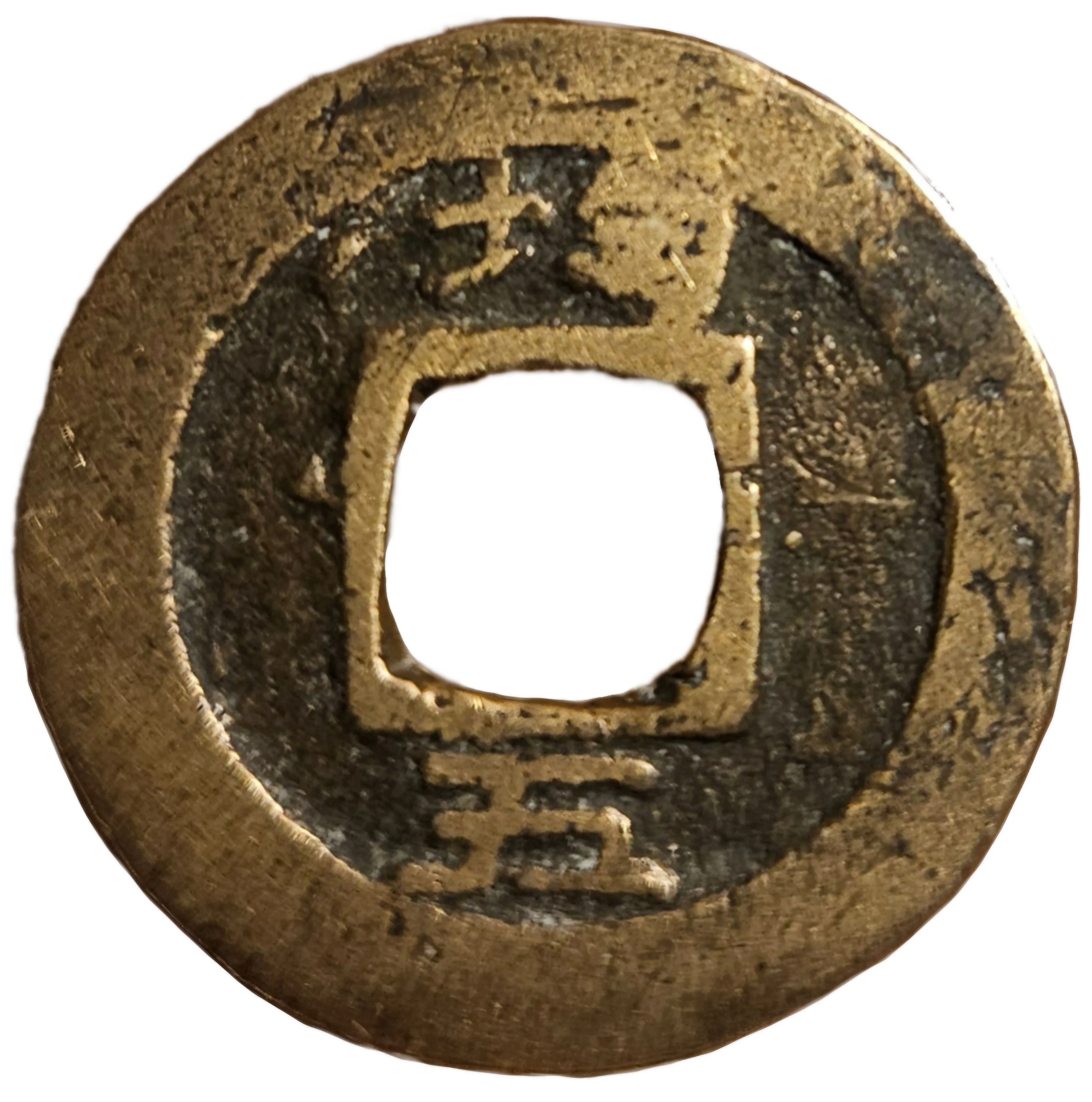
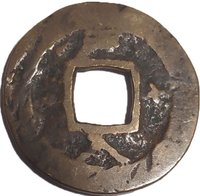
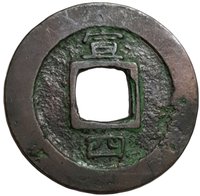
均五
Inscription:
均
五
五
Translation:
Equal to Five Zhu.
Scripts: Chinese (traditional, regular script)
Language: Chinese
Edge
Mints
| Name | Mark |
|---|---|
| Government Tithe Office | 均 |
Mintings
| Year | Mint Mark | Mintage | Quality | Collection |
|---|---|---|---|---|
| 1807 | 均 | — |
Historical background
In 1807, the Joseon Dynasty was grappling with a severe and systemic monetary crisis rooted in the debasement of its primary coin, the sangpyeong tongbo (常平通寶). For over a century, this brass coin had been the backbone of a commercializing economy, but by the early 19th century, the state treasury, perpetually strained by military costs, natural disasters, and bureaucratic expenses, had resorted to excessive minting. This flood of coins, often with reduced copper content, led to rampant inflation, a loss of public trust in the currency, and widespread economic instability. The value of coinage plummeted in real terms, causing hardship for peasants who paid taxes in grain but conducted daily transactions in increasingly worthless cash.
The situation was exacerbated by a damaging interplay between official and private corruption. As the official mint's coins lost value, counterfeit coinage, known as eodong (魚銅), proliferated. These privately minted coins, often of even poorer quality, further saturated the market and distorted prices. The government's periodic attempts to recall and re-mint currency only created temporary confusion and were undermined by corrupt officials and wealthy merchants who hoarded old coins or engaged in speculative practices. Consequently, multiple versions of the sangpyeong tongbo of varying quality circulated simultaneously, making trade difficult and eroding the state's ability to manage the economy effectively.
By 1807, King Sunjo was reigning under the regency of Queen Dowager Jeongsun, and the court was deeply divided over monetary policy. One faction advocated for stricter controls, crackdowns on counterfeiters, and a return to a standardized coinage. Another, often influenced by those profiting from the chaos, resisted effective reforms. The currency disorder thus reflected the broader political weakness of the late Joseon state, where central authority was struggling to assert control over a fragmenting economic system. This crisis contributed to deepening social unrest, setting the stage for the larger internal rebellions and external pressures that would challenge the dynasty throughout the 19th century.
The situation was exacerbated by a damaging interplay between official and private corruption. As the official mint's coins lost value, counterfeit coinage, known as eodong (魚銅), proliferated. These privately minted coins, often of even poorer quality, further saturated the market and distorted prices. The government's periodic attempts to recall and re-mint currency only created temporary confusion and were undermined by corrupt officials and wealthy merchants who hoarded old coins or engaged in speculative practices. Consequently, multiple versions of the sangpyeong tongbo of varying quality circulated simultaneously, making trade difficult and eroding the state's ability to manage the economy effectively.
By 1807, King Sunjo was reigning under the regency of Queen Dowager Jeongsun, and the court was deeply divided over monetary policy. One faction advocated for stricter controls, crackdowns on counterfeiters, and a return to a standardized coinage. Another, often influenced by those profiting from the chaos, resisted effective reforms. The currency disorder thus reflected the broader political weakness of the late Joseon state, where central authority was struggling to assert control over a fragmenting economic system. This crisis contributed to deepening social unrest, setting the stage for the larger internal rebellions and external pressures that would challenge the dynasty throughout the 19th century.
✨ Legendary