Logo Title
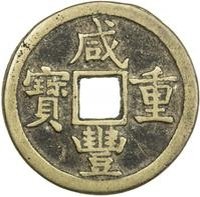
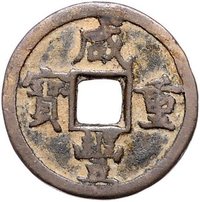
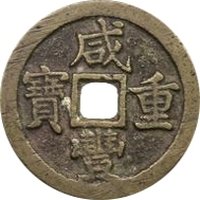
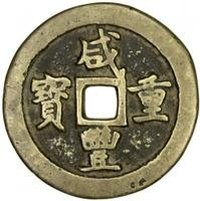
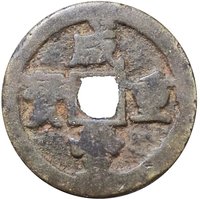
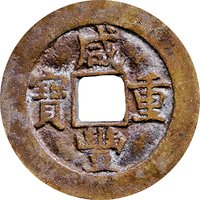
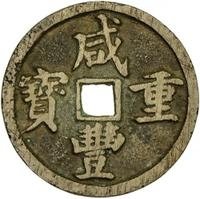
obverse
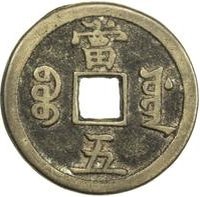
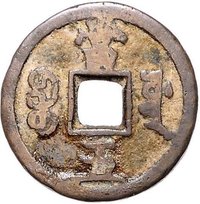
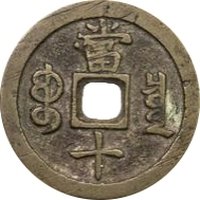
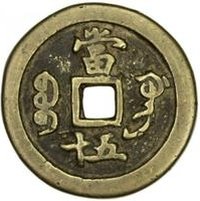
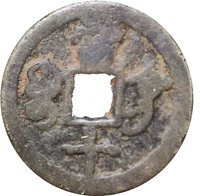
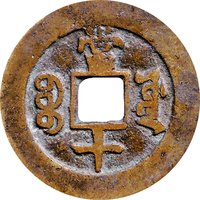
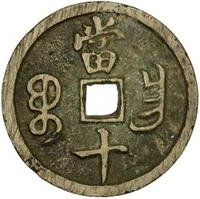
reverse
Teutoburger Münzauktion
Context
Years: 1854–1861
Country: China Country flag
Ruler: Xianfeng
Demonetized: Yes
Material
Diameter: 26 mm
Composition: Brass
Magnetic: No
Technique: Cast
Alignment: Medal alignment
Obverse
OBVERSE ↑
flip
Reverse
REVERSE ↑
References
Numista: #44596

Obverse

Description:
Four Chinese characters read vertically, right to left.
Inscription:


寶 重

 豐
Translation:
Xianfeng

Treasured Coin

Valuable
Language: Chinese

Reverse

Description:
Two Manchu words flank the hole.
Inscription:


ᠪᠣᠣ ᡤᡠᠩ

Translation:
Dang

Boo gung

Five
Languages: Manchu, Chinese

Edge

Plain

Mints

NameMark
Gongchang Mint

Mintings

YearMint MarkMintageQualityCollection

Historical background

In 1854, the currency system of the Qing Empire was in a state of profound crisis, characterized by a chaotic dual system of silver and copper. The official economy operated on a silver standard, with taxes and large transactions conducted in silver taels (a unit of weight, not a coin). Meanwhile, the populace used copper-alloy cash coins with a square hole for daily transactions. The exchange rate between copper cash and silver was unstable, and a severe depreciation of copper currency was underway. This was driven by rampant counterfeiting, the debasement of official coinage by provincial mints to raise revenue, and a massive influx of privately minted, inferior-quality coins. The result was crippling inflation for commoners, whose incomes were in copper but whose taxes were often assessed in silver.

This monetary instability was both a symptom and a catalyst of the empire's larger troubles. The ongoing Taiping Rebellion (1850-1864) had devastated central China, cutting off revenue and disrupting mining and minting operations. Simultaneously, the massive costs of suppressing the rebellion and other uprisings drained the imperial treasury, forcing desperate fiscal measures. Provincial authorities, with increased autonomy, often resorted to issuing their own, non-standard currency, further fragmenting the monetary landscape. Additionally, the recent arrival of foreign silver dollars, like the Mexican peso, in coastal treaty ports introduced a new, stable currency that began to compete with the unreliable Qing monetary system, undermining confidence in imperial authority.

The Qing government's attempts to rectify the situation were largely ineffective. Efforts to ban private minting and control the copper-silver exchange rate failed due to weak enforcement and the sheer scale of the problem. The currency chaos of 1854 thus exemplified the dynasty's declining capacity for economic governance. It placed a heavy burden on the peasantry, exacerbated social unrest, and eroded the fiscal foundation of the state, all while foreign economic pressure mounted—a combination that would contribute to the dynasty's eventual collapse decades later.

Series: 1854 Empire of China circulation coins

5 Cash obverse
5 Cash reverse
5 Cash
1854-1857
5 Cash obverse
5 Cash reverse
5 Cash
1854-1857
10 Cash obverse
10 Cash reverse
10 Cash
1854-1857
5 Cash obverse
5 Cash reverse
5 Cash
1854-1861
50 Cash obverse
50 Cash reverse
50 Cash
1854-1857
100 Cash obverse
100 Cash reverse
100 Cash
1854-1857
10 Cash obverse
10 Cash reverse
10 Cash
1854-1861
Legendary