

10 kwanzas – Angola
Add to wishlist
Angola
Context
Material
Diameter: 27 mm
Weight: 8 g
Thickness: 2.1 mm
Shape: Round
Techniques: Latent image, Milled
Alignment: Medal alignment
flip
References
KM: #
Numista: #44217
Value
Exchange value: 10 AOA
Obverse
Description:
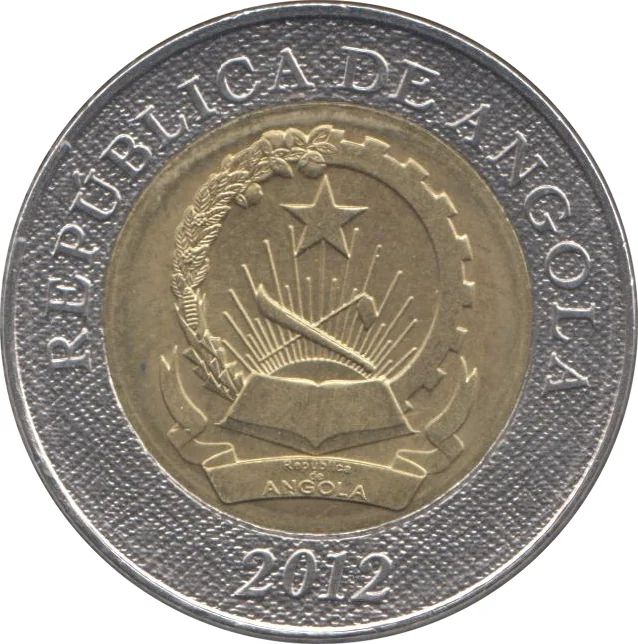
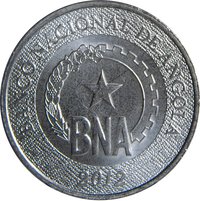
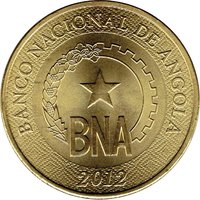
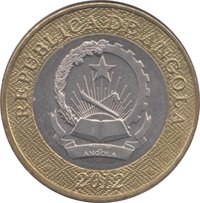
Angola's coat of arms with the country name above and date below.
Inscription:
REPÚBLICA DE ANGOLA
República
de
ANGOLA
2012
República
de
ANGOLA
2012
Translation:
REPUBLIC OF ANGOLA
Republic
of
ANGOLA
2012
Republic
of
ANGOLA
2012
Script: Latin
Language: Portuguese
Reverse
Description:
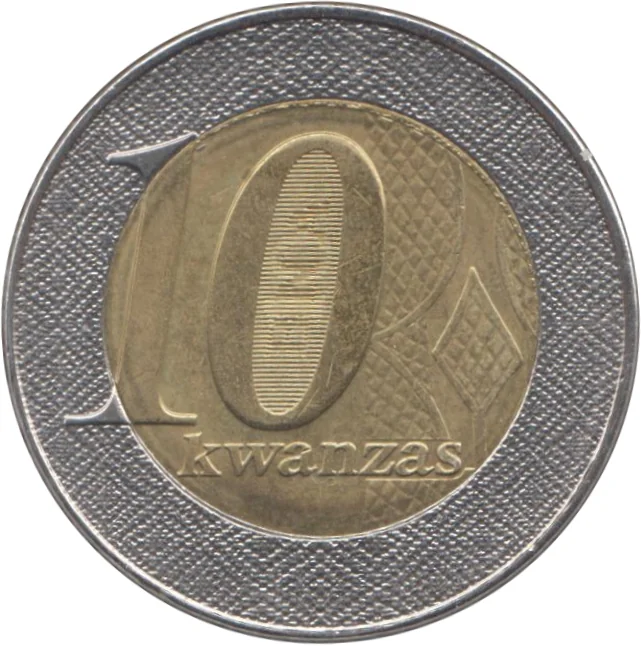
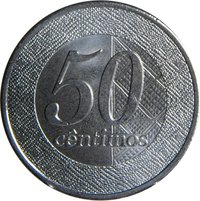
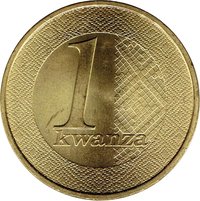
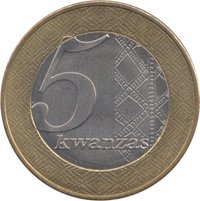
Large numeral with geometric designs. Latent images: 10 and BNA within the zero.
Inscription:
10
10/BNA
kwanzas
10/BNA
kwanzas
Script: Latin
Edge
Reeded
Categories
| Symbols> Coat of Arms |
| Symbol> Sun |
Mintings
| Year | Mint Mark | Mintage | Quality | Collection |
|---|---|---|---|---|
| 2012 | — | — |
Historical background
In 2012, Angola's currency situation was characterized by a tightly managed exchange rate and significant pressure on the national currency, the kwanza (AOA). Following the end of the civil war in 2002, Angola experienced a period of rapid, oil-fueled economic growth. However, this growth created a heavy dependence on imports for both consumer goods and capital equipment, leading to a structural trade imbalance outside the oil sector. The central bank, the Banco Nacional de Angola (BNA), maintained a fixed peg to the US dollar to control inflation and provide stability, but this policy was becoming increasingly difficult to sustain.
The primary challenge stemmed from the "Dutch disease" effect, where the booming oil sector (accounting for over 95% of export earnings) drove up the value of the kwanza, making non-oil exports uncompetitive and encouraging a surge in imports. This created a persistent demand for foreign currency, especially dollars, which the BNA supplied from its reserves to maintain the peg. However, this led to a steady depletion of foreign reserves and a growing disparity between the official exchange rate and the black-market rate, where dollars traded at a significant premium. This gap reflected underlying market anxieties about the kwanza's overvaluation and the scarcity of hard currency for businesses and individuals.
Consequently, 2012 was a year of mounting strain within this controlled system. The BNA was forced to intermittently devalue the kwanza in managed steps, while also implementing stringent capital controls and prioritizing dollar allocations to select strategic industries. These measures aimed to conserve reserves and curb inflation but created bottlenecks for businesses, fostered a parallel currency market, and highlighted the economy's vulnerability to oil price shocks. The situation underscored the urgent need for economic diversification and a move towards a more flexible exchange rate regime, setting the stage for the more significant reforms and devaluations that would follow in subsequent years.
The primary challenge stemmed from the "Dutch disease" effect, where the booming oil sector (accounting for over 95% of export earnings) drove up the value of the kwanza, making non-oil exports uncompetitive and encouraging a surge in imports. This created a persistent demand for foreign currency, especially dollars, which the BNA supplied from its reserves to maintain the peg. However, this led to a steady depletion of foreign reserves and a growing disparity between the official exchange rate and the black-market rate, where dollars traded at a significant premium. This gap reflected underlying market anxieties about the kwanza's overvaluation and the scarcity of hard currency for businesses and individuals.
Consequently, 2012 was a year of mounting strain within this controlled system. The BNA was forced to intermittently devalue the kwanza in managed steps, while also implementing stringent capital controls and prioritizing dollar allocations to select strategic industries. These measures aimed to conserve reserves and curb inflation but created bottlenecks for businesses, fostered a parallel currency market, and highlighted the economy's vulnerability to oil price shocks. The situation underscored the urgent need for economic diversification and a move towards a more flexible exchange rate regime, setting the stage for the more significant reforms and devaluations that would follow in subsequent years.
🌱 Very Common