

5 Zlotys – Poland
Circulating commemorative coins
Commemoration: "Discover Poland” – “The Łańcut Castle”
Series: Discover Poland
Poland
Context
Year: 2024
Issuer: Poland 
Issuing organization: Narodowy Bank Polski
Period:
(since 1989)
Currency:
(since 1995)
Total mintage: 1,000,000
Material
References
Y: #Click to copy to clipboard1196
Numista: #440885
Value
Exchange value: 5 PLN = $1.40
Inflation-adjusted value: 5.31 PLN
Obverse
Description:
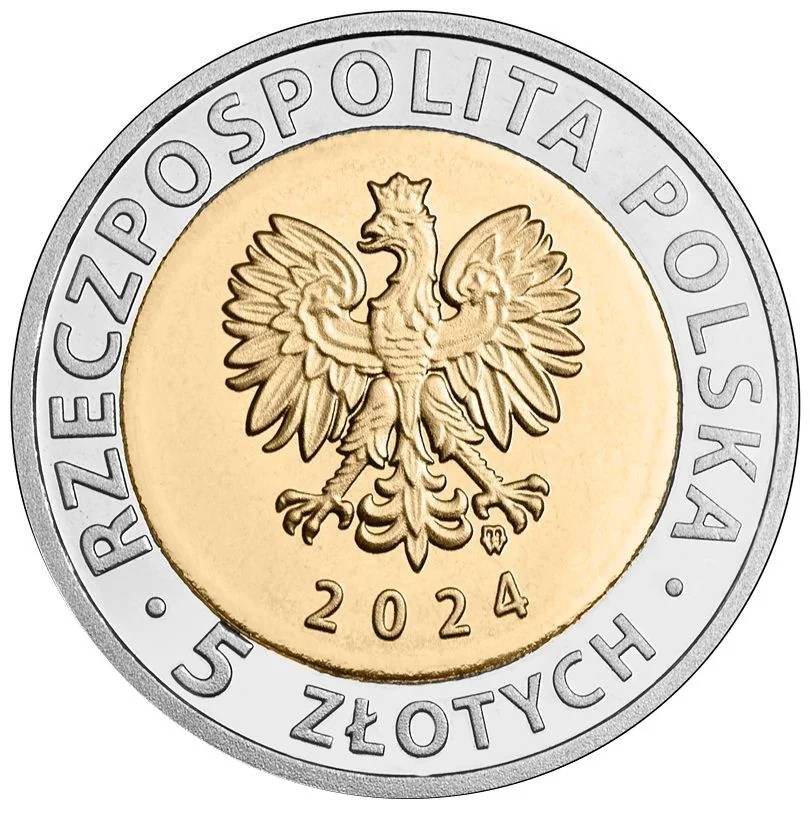
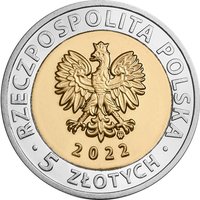
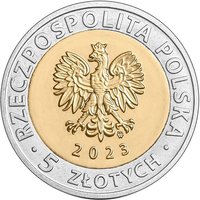
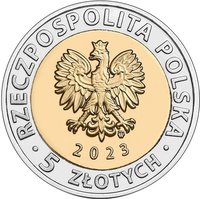
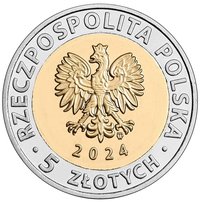
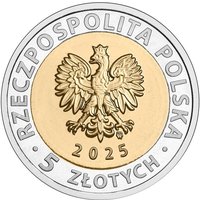
Polish eagle above the date; value at bottom, country name separated by two dots.
Inscription:
RZECZPOSPOLITA POLSKA
mw
2024
• 5 ZŁOTYCH •
mw
2024
• 5 ZŁOTYCH •
Translation:
REPUBLIC OF POLAND
mw
2024
• 5 ZŁOTYCH •
mw
2024
• 5 ZŁOTYCH •
Script: Latin
Language: Polish
Designer: Dobrochna Surajewska
Reverse
Description:
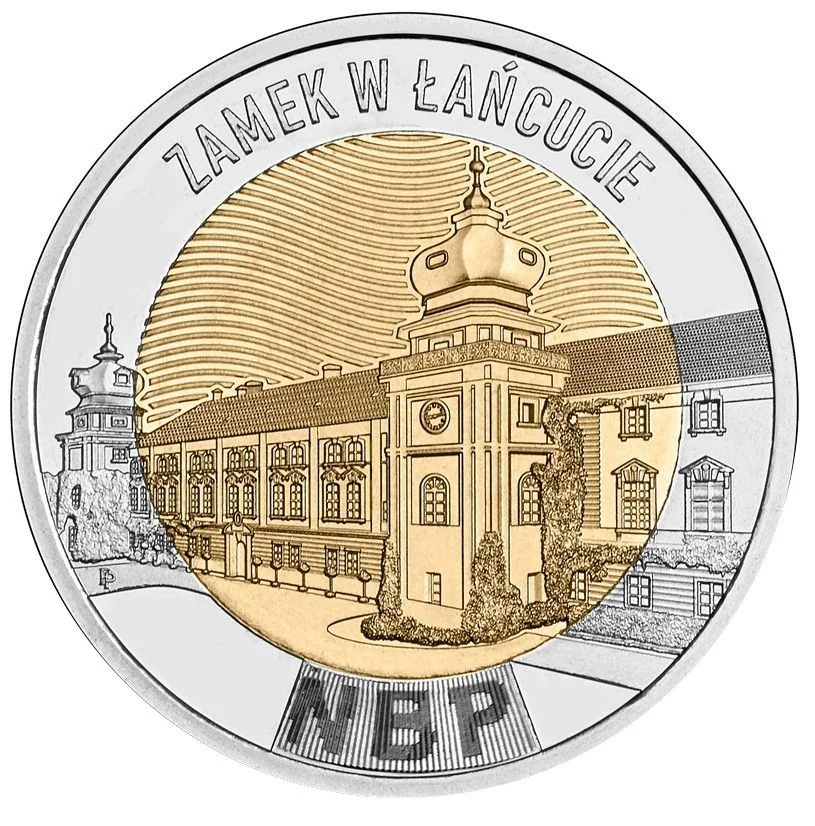
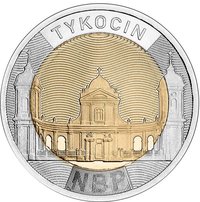
Łańcut Castle's construction.
Inscription:
ZAMEK W ŁAŃCUCIE
NBP
PP
NBP
PP
Translation:
Castle in Łańcut
National Bank of Poland
Mint of Poland
National Bank of Poland
Mint of Poland
Script: Latin
Language: Polish
Designer: Paweł Pietras
Edge
Legend:
NBP✶NBP✶NBP✶NBP✶NBP✶NBP✶NBP✶NBP✶
Translation:
National Bank of Poland National Bank of Poland National Bank of Poland National Bank of Poland National Bank of Poland National Bank of Poland National Bank of Poland National Bank of Poland
Language: English
Categories
| Building> Castle or fortification |
| Symbols> Coat of Arms |
Mints
| Name | Mark |
|---|---|
| Mint of Poland | (MW) |
Mintings
| Year | Mint Mark | Mintage | Quality | Collection |
|---|---|---|---|---|
| 2024 | MW | 1,000,000 |
Historical background
In 2024, Poland's currency, the złoty (PLN), operates within a complex economic landscape marked by both resilience and uncertainty. Following a period of significant volatility in 2022-2023 driven by the war in Ukraine, high inflation, and aggressive monetary tightening by the National Bank of Poland (NBP), the złoty has entered a phase of relative stabilization. Its value is primarily influenced by the NBP's interest rate policy—with the reference rate held at 5.75% since October 2023—and the ongoing process of disinflation. A key supportive factor is Poland's strong economic fundamentals, including robust GDP growth and a steady inflow of EU recovery funds, which bolster investor confidence.
However, the currency faces persistent headwinds. The primary domestic challenge is the gradual unwinding of the NBP's foreign exchange interventions, which were used extensively to support the złoty during its previous weakness. Market participants are closely watching for a smooth transition as these supportive measures are scaled back. Externally, the złoty remains sensitive to global risk sentiment, the monetary policy trajectory of major central banks like the U.S. Federal Reserve, and geopolitical tensions in Eastern Europe, which can trigger capital outflows from emerging markets.
Looking ahead, the near-term trajectory of the złoty will likely hinge on the pace of interest rate cuts. While inflation has fallen from its peak, it remains above the NBP's target, creating a cautious environment for policymakers. The currency is expected to experience moderate fluctuations as markets anticipate the timing and scale of any future monetary easing. Overall, the złoty in 2024 reflects a balancing act between Poland's solid economic performance and the broader challenges of navigating a post-inflationary environment while managing external dependencies.
However, the currency faces persistent headwinds. The primary domestic challenge is the gradual unwinding of the NBP's foreign exchange interventions, which were used extensively to support the złoty during its previous weakness. Market participants are closely watching for a smooth transition as these supportive measures are scaled back. Externally, the złoty remains sensitive to global risk sentiment, the monetary policy trajectory of major central banks like the U.S. Federal Reserve, and geopolitical tensions in Eastern Europe, which can trigger capital outflows from emerging markets.
Looking ahead, the near-term trajectory of the złoty will likely hinge on the pace of interest rate cuts. While inflation has fallen from its peak, it remains above the NBP's target, creating a cautious environment for policymakers. The currency is expected to experience moderate fluctuations as markets anticipate the timing and scale of any future monetary easing. Overall, the złoty in 2024 reflects a balancing act between Poland's solid economic performance and the broader challenges of navigating a post-inflationary environment while managing external dependencies.
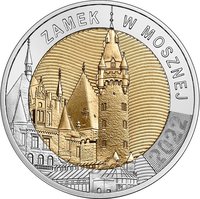
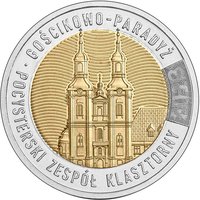
Series: Discover Poland

🌱 Fairly Common