

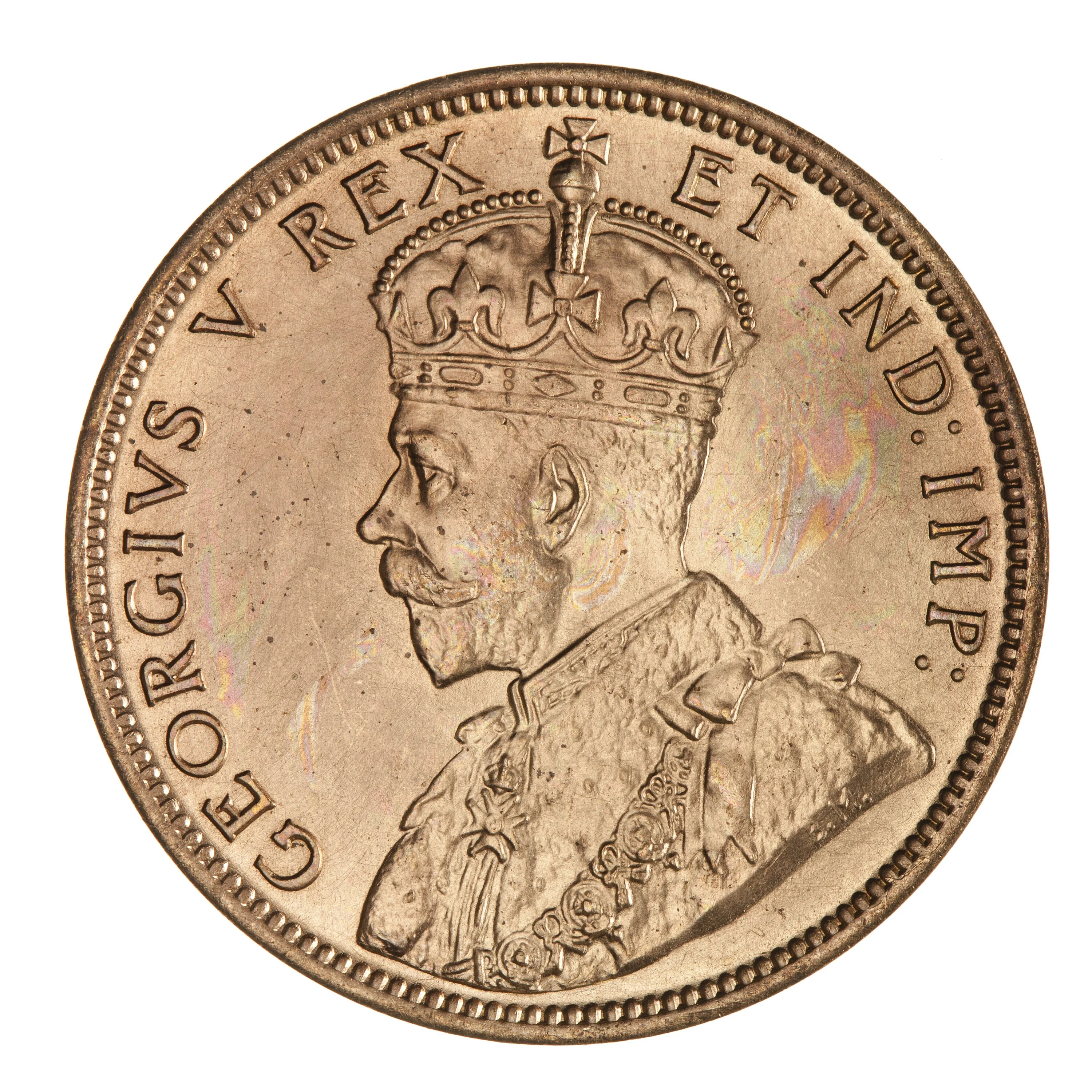
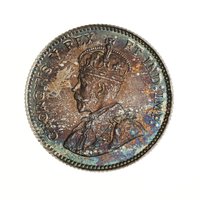
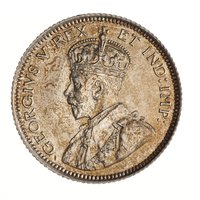
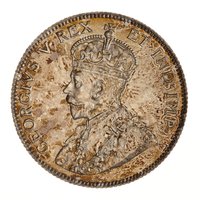
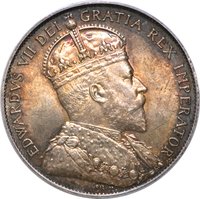
Obverse
Description:
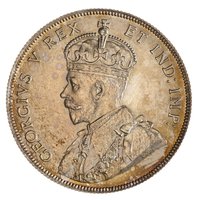
King George V crowned, left-facing bust.
Inscription:
GEORGIVS V REX ET IND:IMP:
Translation:
George V King and Emperor of India
Script: Latin
Language: Latin
Engraver: Edgar Bertram MacKennal
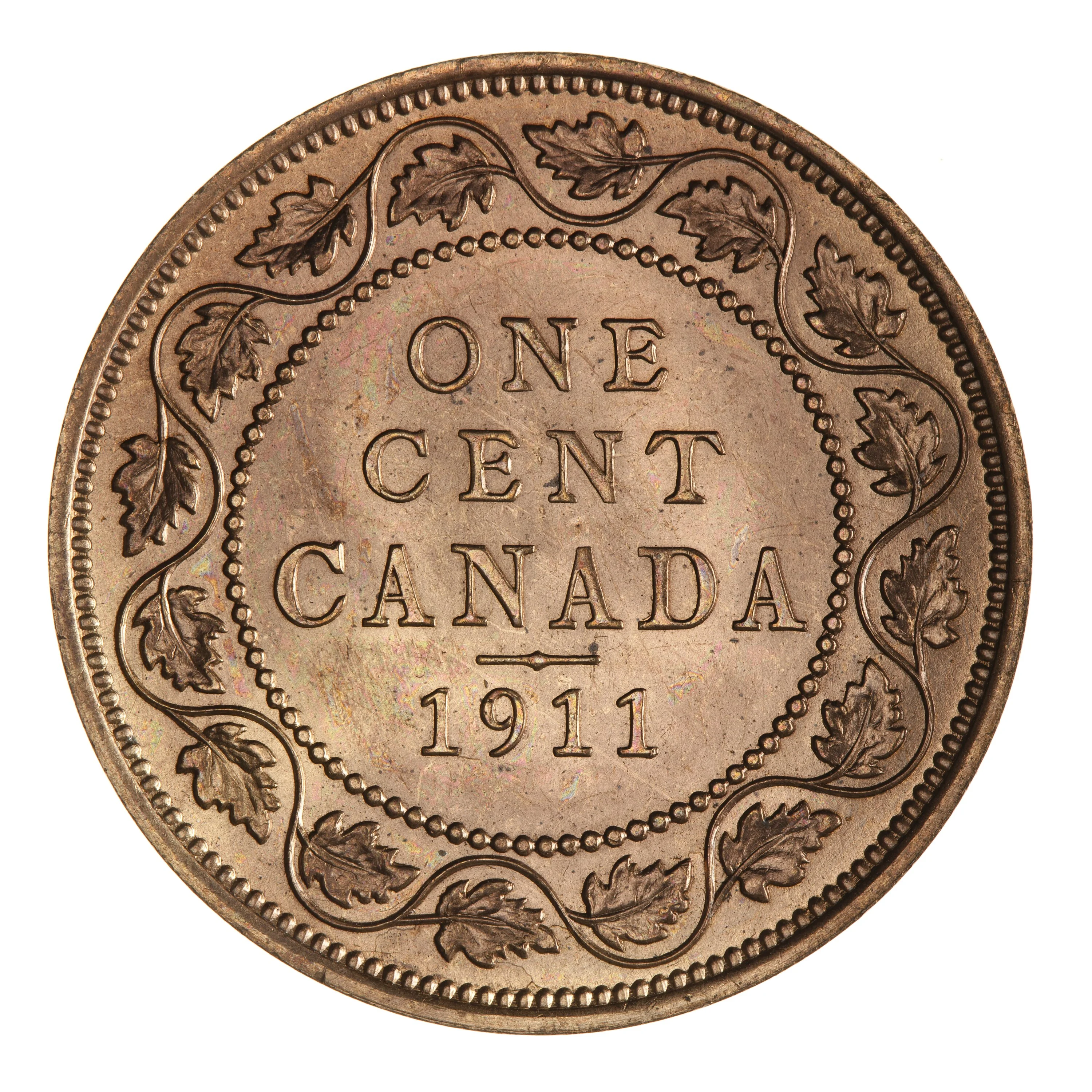
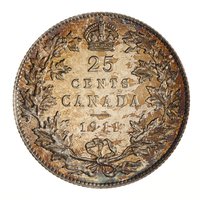
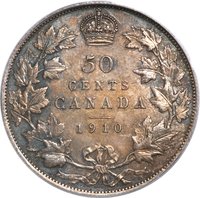
Reverse
Description:
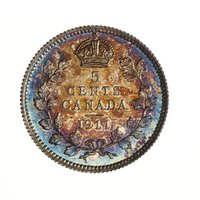
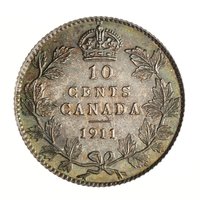
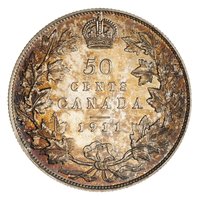
The face value, encircled by maple leaves on a vine, is inscribed with "CANADA."
Inscription:
ONE
CENT
CANADA
1911
CENT
CANADA
1911
Script: Latin
Engraver: William Henry James Blakemore
Edge
Plain
Mints
| Name | Mark |
|---|---|
| Royal Canadian Mint of Ottawa | — |
Mintings
| Year | Mint Mark | Mintage | Quality | Collection |
|---|---|---|---|---|
| 1911 | — | 4,663,486 |
Historical background
In 1911, Canada’s currency situation was characterized by a formal adherence to the gold standard, but with a unique and practical system dominated by banknotes issued by chartered banks. The country had no central bank (the Bank of Canada would not be founded until 1935), and while the Dominion government issued some "Dominion notes," the majority of money in daily circulation was private banknotes. These were promissory notes from dozens of commercial banks, theoretically redeemable in gold upon demand at the bank's branches. This system created a sometimes confusing patchwork of designs and, more critically, exposed the public to risk if a bank failed, though noteholder protection was a priority for surviving institutions.
The period was one of economic optimism and expansion, fueled by western settlement and a massive wheat boom. This growth increased the demand for credit and circulating currency, which the chartered bank system supplied. However, the system had critics. Concerns persisted about the safety and uniformity of money, especially following periodic bank failures. Furthermore, the hegemony of the chartered banks and their notes was increasingly challenged by a growing political movement advocating for a government-controlled central banking system, inspired by models in Europe and nascent discussions in the United States.
Politically, the currency question was intertwined with the fierce 1911 federal election, fought largely over trade reciprocity with the United States. While not the central issue, monetary policy simmered in the background. Proponents of central banking, often from agrarian and progressive circles, argued for greater public control over money and credit to stabilize the economy and serve national interests, rather than private commercial bank profits. Thus, in 1911, Canada's currency was at a crossroads: it functioned adequately during a boom period under a decentralized, private system, but was under growing scrutiny, setting the stage for the central banking debates that would culminate two decades later.
The period was one of economic optimism and expansion, fueled by western settlement and a massive wheat boom. This growth increased the demand for credit and circulating currency, which the chartered bank system supplied. However, the system had critics. Concerns persisted about the safety and uniformity of money, especially following periodic bank failures. Furthermore, the hegemony of the chartered banks and their notes was increasingly challenged by a growing political movement advocating for a government-controlled central banking system, inspired by models in Europe and nascent discussions in the United States.
Politically, the currency question was intertwined with the fierce 1911 federal election, fought largely over trade reciprocity with the United States. While not the central issue, monetary policy simmered in the background. Proponents of central banking, often from agrarian and progressive circles, argued for greater public control over money and credit to stabilize the economy and serve national interests, rather than private commercial bank profits. Thus, in 1911, Canada's currency was at a crossroads: it functioned adequately during a boom period under a decentralized, private system, but was under growing scrutiny, setting the stage for the central banking debates that would culminate two decades later.
Series: 1911 Canada circulation coins
🌱 Very Common