

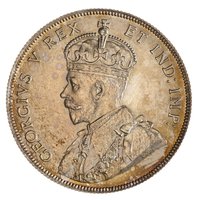
Obverse
Description:
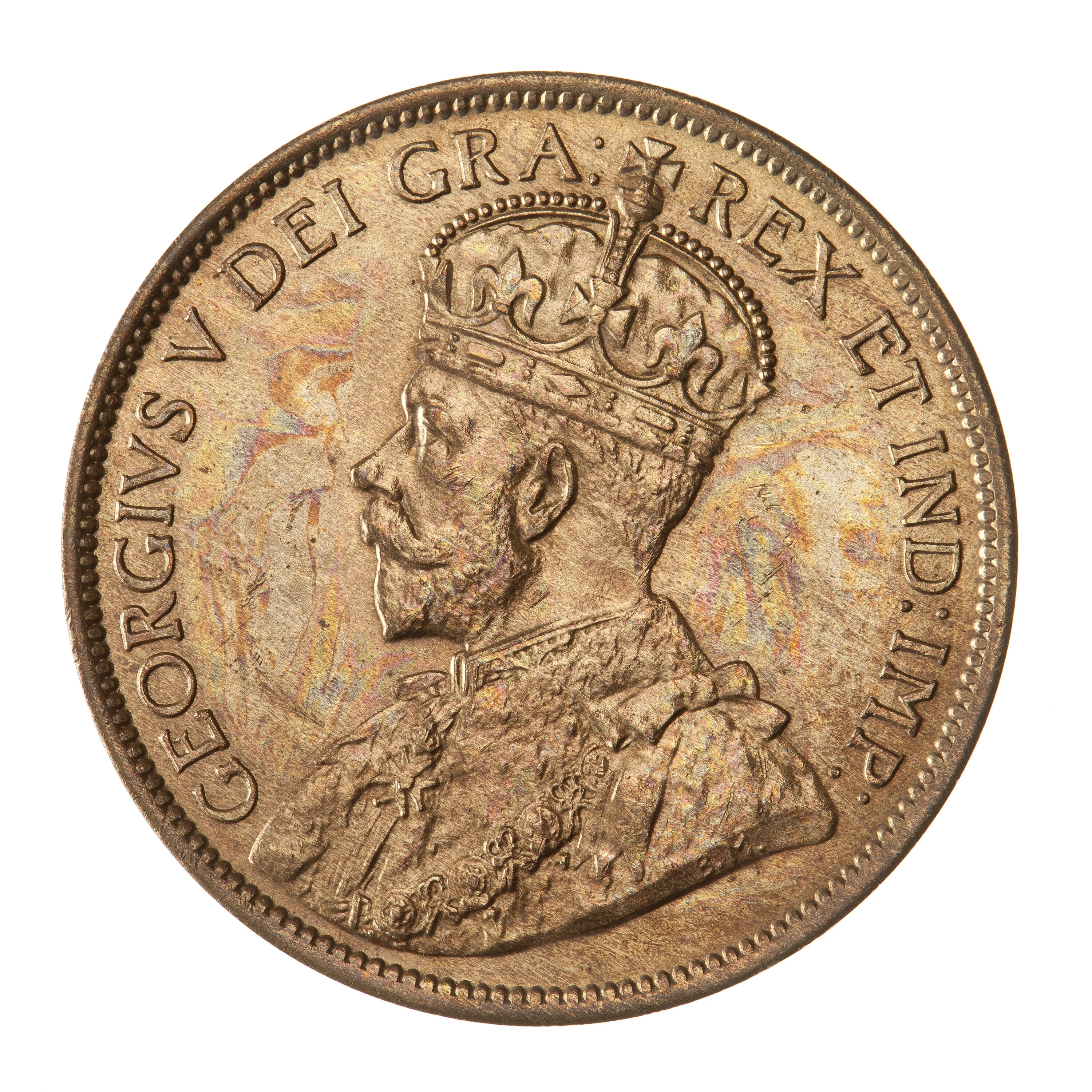
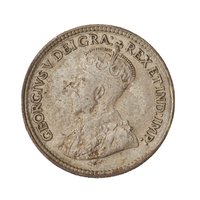
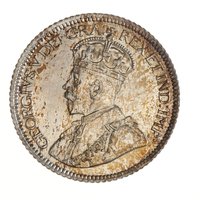
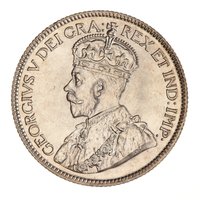
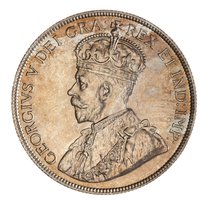
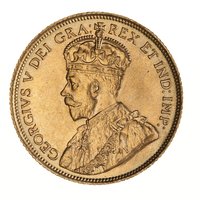
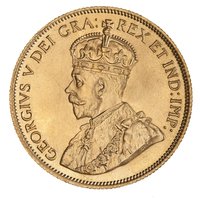
King George V crowned, left-facing bust.
Inscription:
GEORGIVS V DEI GRA: REX ET IND:IMP:
B. M.
B. M.
Translation:
George V by the Grace of God: King and Emperor of India:
In everlasting memory.
In everlasting memory.
Script: Latin
Language: Latin
Engraver: Edgar Bertram MacKennal
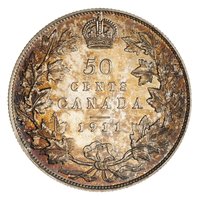
Reverse
Description:
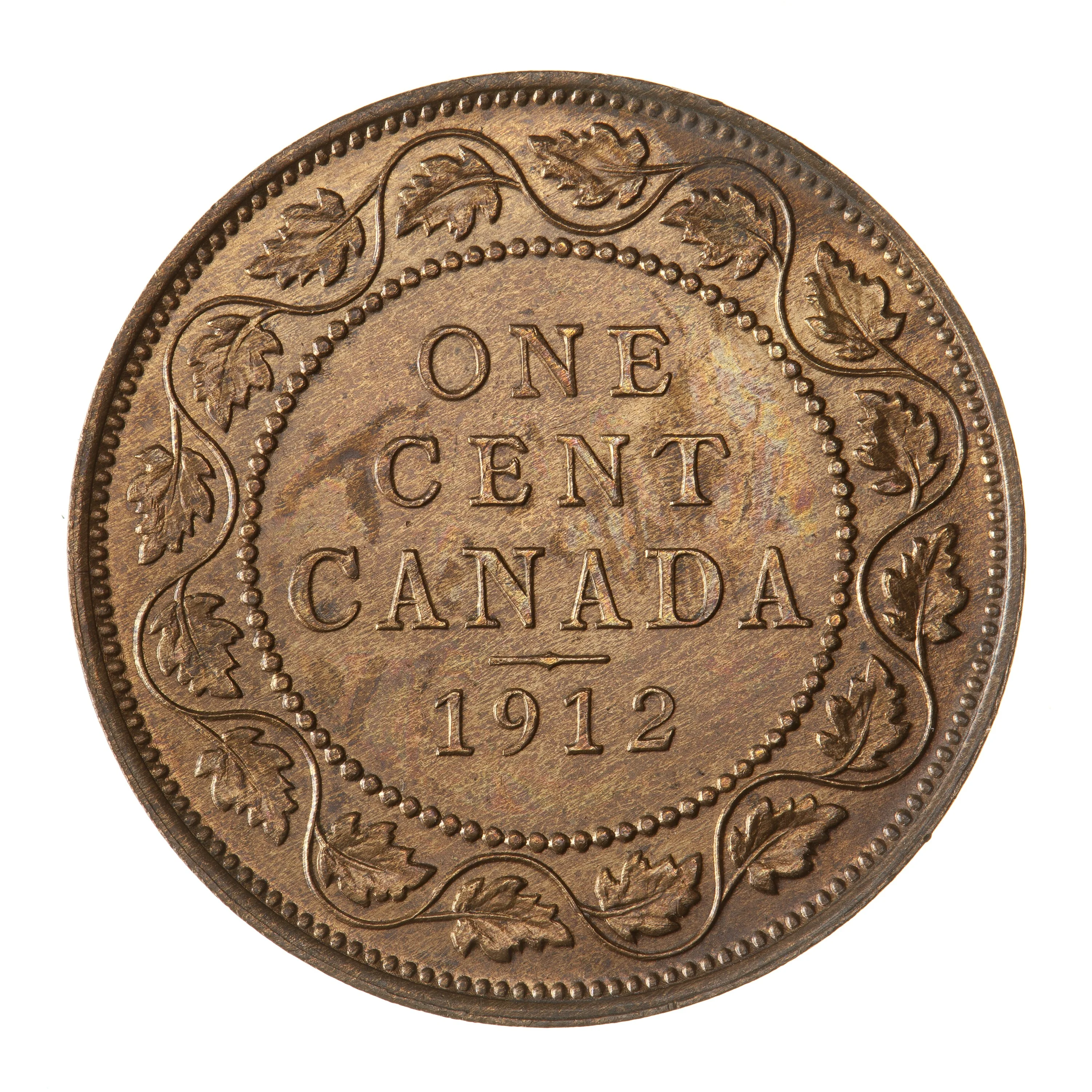
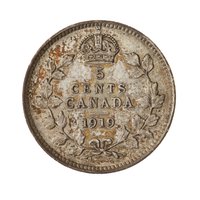
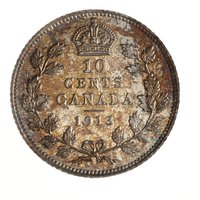
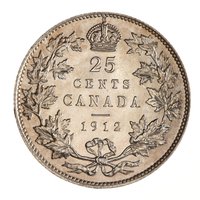
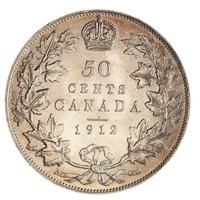
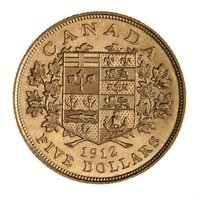
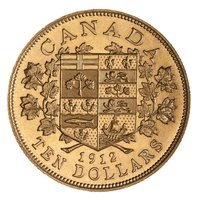
The face value, encircled by maple leaves on a vine, is inscribed with "CANADA."
Inscription:
ONE
CENT
CANADA
1912
CENT
CANADA
1912
Script: Latin
Engraver: William Henry James Blakemore
Edge
Plain
Mints
| Name | Mark |
|---|---|
| Royal Canadian Mint of Ottawa | — |
Mintings
| Year | Mint Mark | Mintage | Quality | Collection |
|---|---|---|---|---|
| 1912 | — | 5,107,642 | ||
| 1913 | — | 5,735,405 | ||
| 1914 | — | 3,405,958 | ||
| 1915 | — | 4,932,134 | ||
| 1916 | — | 11,022,367 | ||
| 1917 | — | 11,899,254 | ||
| 1918 | — | 12,970,798 | ||
| 1919 | — | 11,279,634 | ||
| 1920 | — | 6,762,247 |
Historical background
In 1912, Canada's currency system operated under the classical gold standard, a framework that had been formally established with the Currency Act of 1910. This act consolidated the Dominion's monetary authority, making Canadian dollars, issued by chartered banks and the government, fully convertible into gold at a fixed rate. The system provided stability and fostered international trade confidence, with the Canadian dollar maintaining parity with its U.S. counterpart, as both were pegged to gold. However, the actual money in daily circulation was a diverse mix: alongside limited gold coins, the public primarily used bank notes issued by numerous private chartered banks, as well as Dominion notes from the government.
Despite the federal framework, the era was marked by significant criticism and debate over the fragmented nature of bank note issuance. Dozens of chartered banks issued their own designs, leading to concerns about uniformity and security, especially in the event of a bank failure. Furthermore, the system was inherently pro-cyclical; during periods of economic optimism, banks would extend more loans and issue more notes, potentially fueling inflation and speculative booms, particularly in the overheated western land and resource markets. This expansion was evident in 1912, a peak year of pre-war prosperity and investment.
The year 1912 thus represented the apparent calm before a period of profound monetary stress. The gold standard's rigidity would soon be tested by the outbreak of the First World War in 1914, which prompted the government to suspend gold convertibility to conserve reserves. This pivotal shift ended the pre-war monetary era and set the stage for the eventual establishment of a central bank—the Bank of Canada—in 1935, which would centralize note issue and monetary policy, addressing the very vulnerabilities present in the 1912 system.
Despite the federal framework, the era was marked by significant criticism and debate over the fragmented nature of bank note issuance. Dozens of chartered banks issued their own designs, leading to concerns about uniformity and security, especially in the event of a bank failure. Furthermore, the system was inherently pro-cyclical; during periods of economic optimism, banks would extend more loans and issue more notes, potentially fueling inflation and speculative booms, particularly in the overheated western land and resource markets. This expansion was evident in 1912, a peak year of pre-war prosperity and investment.
The year 1912 thus represented the apparent calm before a period of profound monetary stress. The gold standard's rigidity would soon be tested by the outbreak of the First World War in 1914, which prompted the government to suspend gold convertibility to conserve reserves. This pivotal shift ended the pre-war monetary era and set the stage for the eventual establishment of a central bank—the Bank of Canada—in 1935, which would centralize note issue and monetary policy, addressing the very vulnerabilities present in the 1912 system.
Series: 1912 Canada circulation coins
🌱 Very Common