

50 centavos – Philippines
Add to wishlist
Philippines
Context
Years: 1907–1921
Issuer: Philippines
Period:
(1901—1935)
Currency:
(1857—1967)
Demonetized: Yes
Total mintage: 12,255,495
Material
References
KM: #
Numista: #4350
Value
Bullion value: $18.57
Obverse
Description:
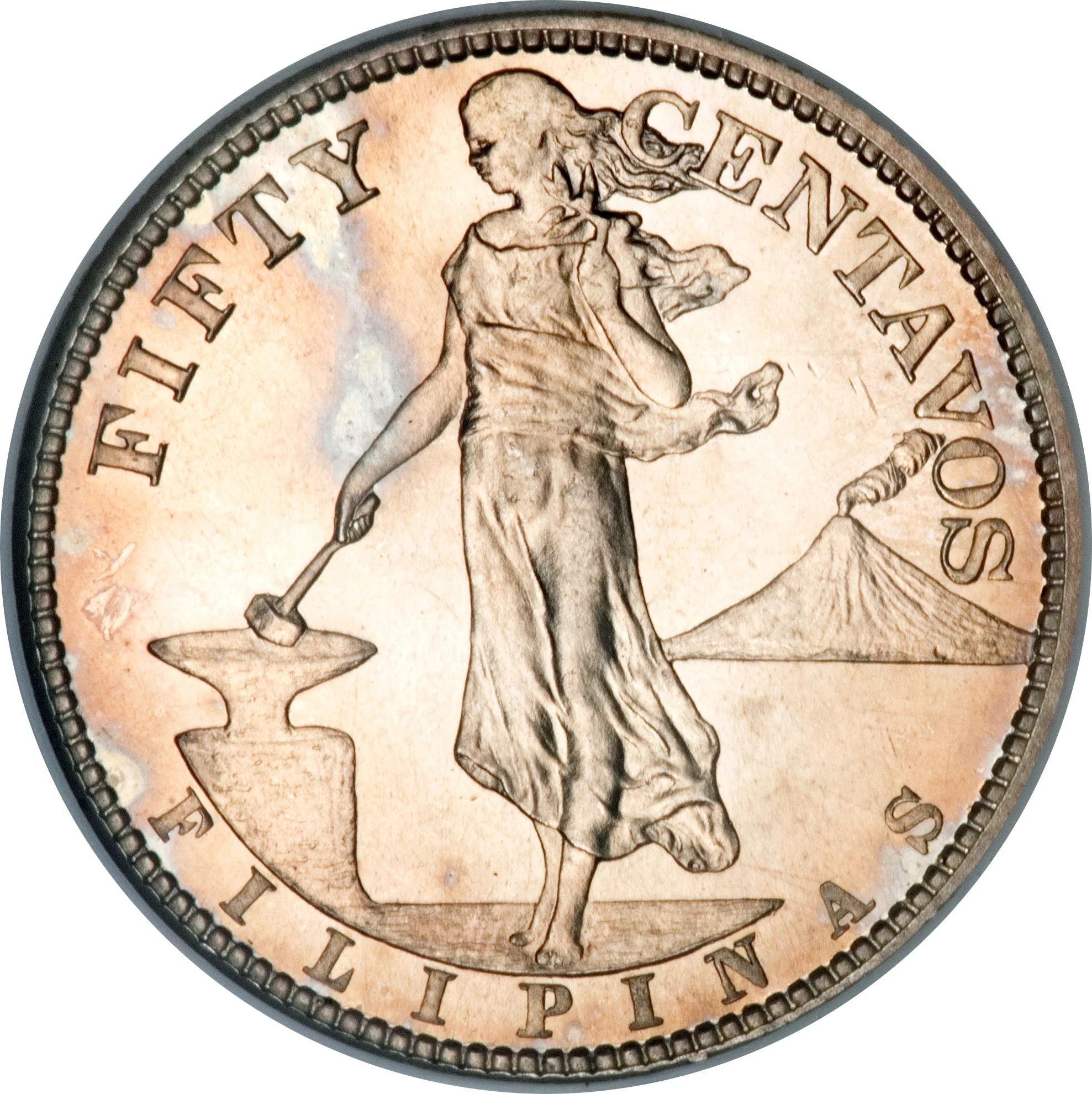
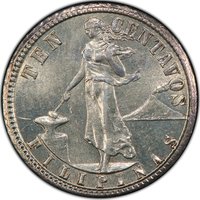
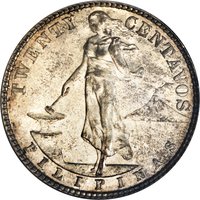
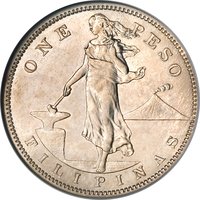
Woman standing, hammer on anvil, volcano smoking at right.
Inscription:
FIFTY CENTAVOS
FILIPINAS
FILIPINAS
Translation:
FIFTY CENTAVOS
PHILIPPINES
PHILIPPINES
Script: Latin
Designers: Melicio Figueroa, Charles Barber
Reverse
Description:
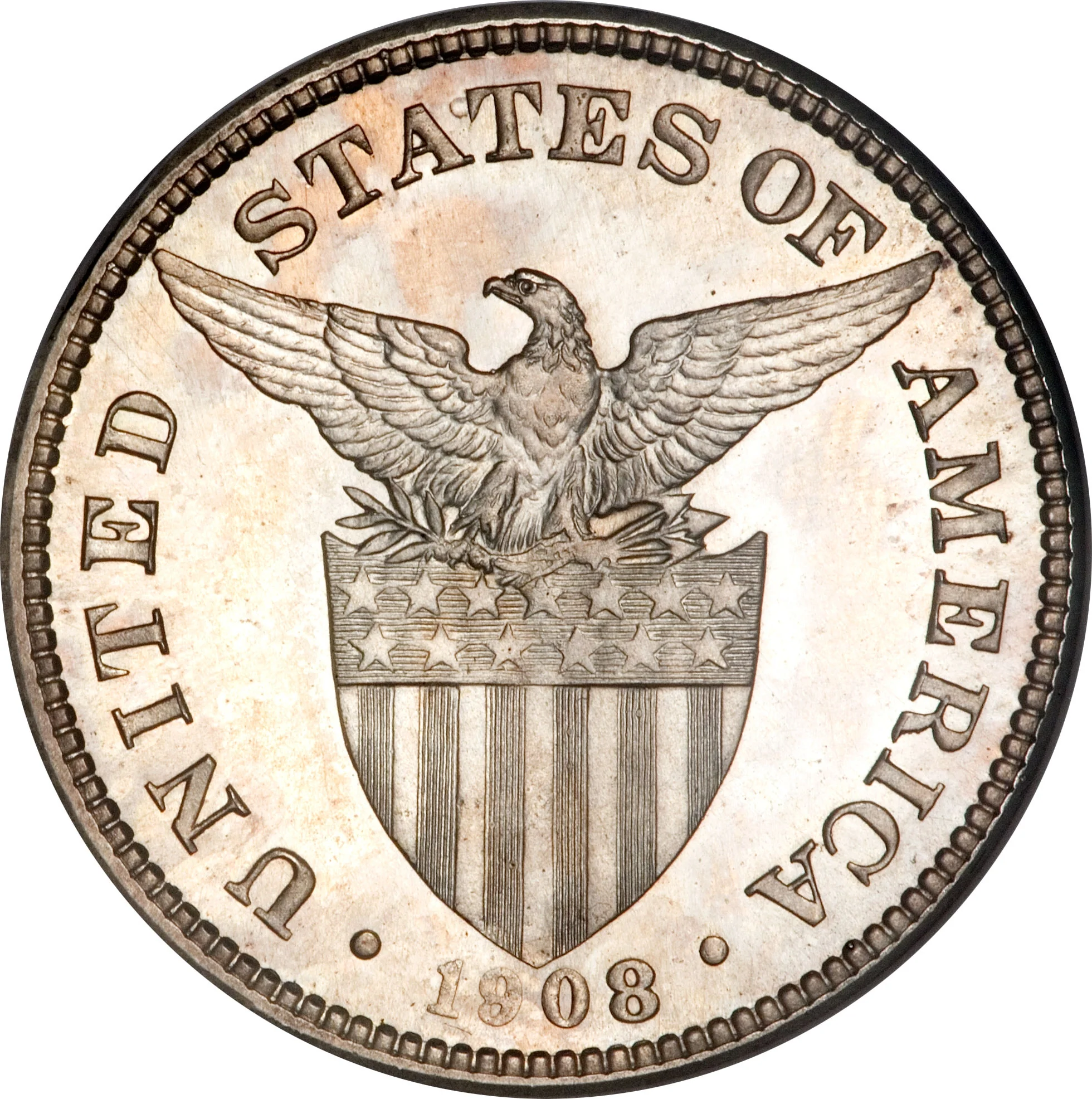
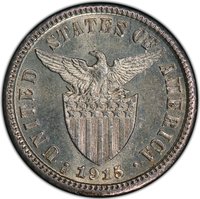
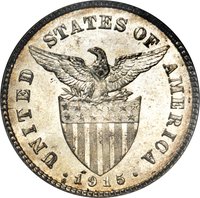
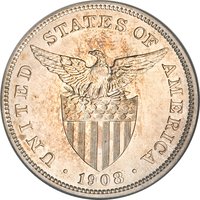
Eagle wings spread over shield.
Inscription:
UNITED STATES OF AMERICA
·1908·
·1908·
Script: Latin
Designers: Melicio Figueroa, Charles Barber
Edge
Reeded
Mintings
Historical background
In 1907, the currency situation in the Philippines was defined by the transition from a Spanish colonial monetary system to one firmly under American administration following the Philippine-American War. The United States, seeking economic stability and integration, had established a gold-standard currency pegged to the US dollar through the Philippine Coinage Act of 1903. This act created the Philippine peso, valued at exactly half a US dollar (50 cents gold), and authorized the minting of new silver and copper coins, as well as the issuance of paper money by the government. The new system aimed to replace the chaotic mix of Mexican silver dollars, Spanish-Filipino coins, and private bank notes that had previously circulated.
The year 1907 was a point of consolidation within this new framework. The Philippine National Bank, established in 1916, did not yet exist, so currency issuance was managed directly by the American colonial government through the Philippine Treasury. Silver pesos and subsidiary coins were in active circulation, gradually supplanting older currencies. A key feature was the creation of a gold-standard reserve fund, held in US government bonds, which backed the new silver peso to maintain its fixed exchange rate and inspire public confidence. This period saw the deliberate move away from a silver-based standard to a gold-exchange standard, insulating the economy from volatile global silver prices.
However, challenges persisted. While the new currency was legally established, full public acceptance and the complete retirement of older Spanish-era coins took time, leading to a brief period of concurrent circulation. Furthermore, the economy's heavy reliance on agricultural exports, particularly sugar and hemp, made it vulnerable to commodity price swings, testing the stability of the new monetary system. Thus, 1907 represents a year where the American-designed gold-pegged currency was operational and gaining traction, but still in the process of becoming the fully dominant and trusted medium of exchange across the archipelago.
The year 1907 was a point of consolidation within this new framework. The Philippine National Bank, established in 1916, did not yet exist, so currency issuance was managed directly by the American colonial government through the Philippine Treasury. Silver pesos and subsidiary coins were in active circulation, gradually supplanting older currencies. A key feature was the creation of a gold-standard reserve fund, held in US government bonds, which backed the new silver peso to maintain its fixed exchange rate and inspire public confidence. This period saw the deliberate move away from a silver-based standard to a gold-exchange standard, insulating the economy from volatile global silver prices.
However, challenges persisted. While the new currency was legally established, full public acceptance and the complete retirement of older Spanish-era coins took time, leading to a brief period of concurrent circulation. Furthermore, the economy's heavy reliance on agricultural exports, particularly sugar and hemp, made it vulnerable to commodity price swings, testing the stability of the new monetary system. Thus, 1907 represents a year where the American-designed gold-pegged currency was operational and gaining traction, but still in the process of becoming the fully dominant and trusted medium of exchange across the archipelago.
Series: 1907 Series
🌱 Common