

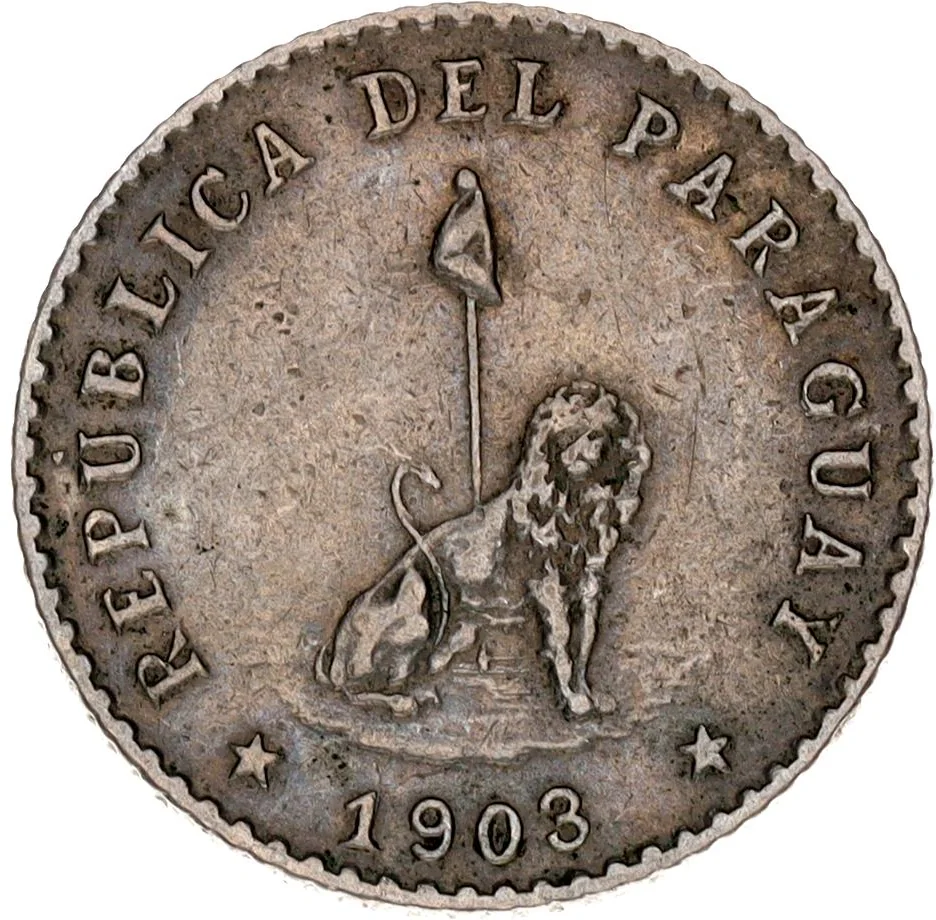
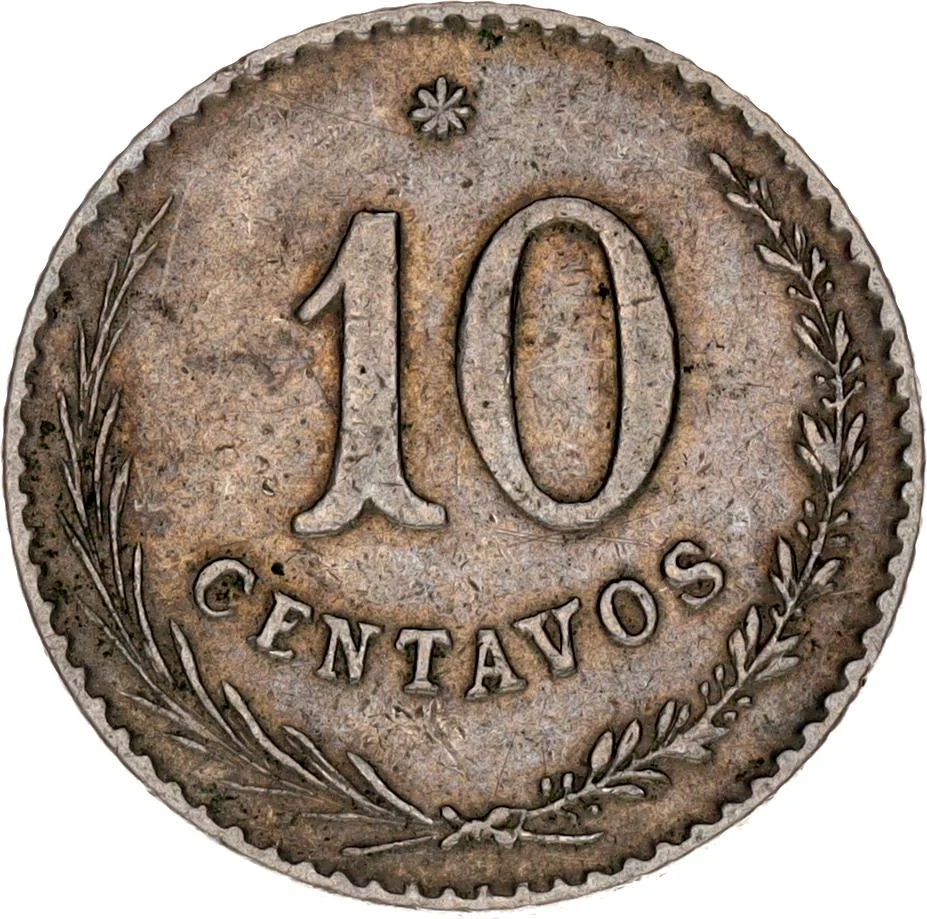
10 centavos – Paraguay
Add to wishlist
Paraguay
Context
Material
Diameter: 19.35 mm
Weight: 3 g
Thickness: 1.3 mm
Shape: Round
Composition: Copper-nickel
Technique: Milled
Alignment: Coin alignment
flip
References
KM: #
Numista: #4344
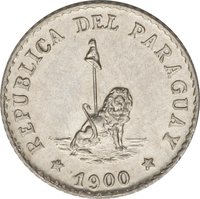
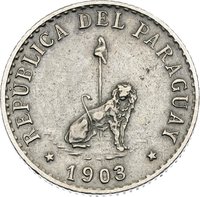
Obverse
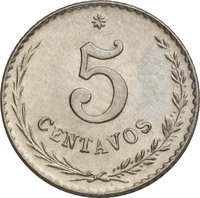
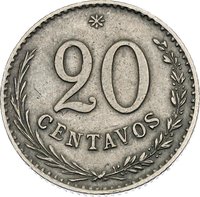
Reverse
Edge
Reeded
Categories
| Animal> Feline |
| Symbols> Coat of Arms |
| Symbol> Phrygian cap |
Mints
| Name | Mark |
|---|---|
| Buenos Aires | — |
Mintings
| Year | Mint Mark | Mintage | Quality | Collection |
|---|---|---|---|---|
| 1900 | — | 500,000 | ||
| 1903 | — | 1,200,000 |
Historical background
At the dawn of the 20th century, Paraguay's monetary system was characterized by profound instability and fragmentation, a direct legacy of the catastrophic Triple Alliance War (1864-1870). The conflict had devastated the nation's economy, population, and institutions, leaving the government with limited fiscal authority and a reliance on foreign loans. Consequently, a multitude of currencies circulated simultaneously, including Argentine pesos, Brazilian réis, British sovereigns, and gold pesos from other nations. This monetary anarchy complicated commerce, hindered economic planning, and reflected Paraguay's vulnerable position within regional trade networks dominated by its powerful neighbors.
The Paraguayan government attempted to impose order by officially adopting the gold standard in 1894, fixing the value of the national peso fuerte to gold. However, this reform was largely theoretical due to a critical shortage of gold reserves within the Central Bank of Paraguay, established in 1892. In practice, the paper money issued by the bank (pesos fuertes and pesos corrientes) was inconvertible and suffered from frequent depreciation. The economy thus operated on a de facto fiduciary system, where the value of paper currency was unstable and often discounted against stronger foreign gold coins, which remained the preferred medium for significant transactions and international trade.
This chaotic currency situation began a slow process of resolution following the end of the Colorado Party's civil war victory in 1904, which ushered in a period of relative political stability. Subsequent financial reforms, particularly the Monetary Regime Law of 1916, were more successful in establishing a unified national currency. This law created the peso oro (gold peso), a stable accounting unit, and granted the Central Bank greater authority, laying the necessary institutional groundwork for a more coherent monetary system in the decades to follow.
The Paraguayan government attempted to impose order by officially adopting the gold standard in 1894, fixing the value of the national peso fuerte to gold. However, this reform was largely theoretical due to a critical shortage of gold reserves within the Central Bank of Paraguay, established in 1892. In practice, the paper money issued by the bank (pesos fuertes and pesos corrientes) was inconvertible and suffered from frequent depreciation. The economy thus operated on a de facto fiduciary system, where the value of paper currency was unstable and often discounted against stronger foreign gold coins, which remained the preferred medium for significant transactions and international trade.
This chaotic currency situation began a slow process of resolution following the end of the Colorado Party's civil war victory in 1904, which ushered in a period of relative political stability. Subsequent financial reforms, particularly the Monetary Regime Law of 1916, were more successful in establishing a unified national currency. This law created the peso oro (gold peso), a stable accounting unit, and granted the Central Bank greater authority, laying the necessary institutional groundwork for a more coherent monetary system in the decades to follow.
Series: 1900 Paraguay circulation coins
🌱 Common