

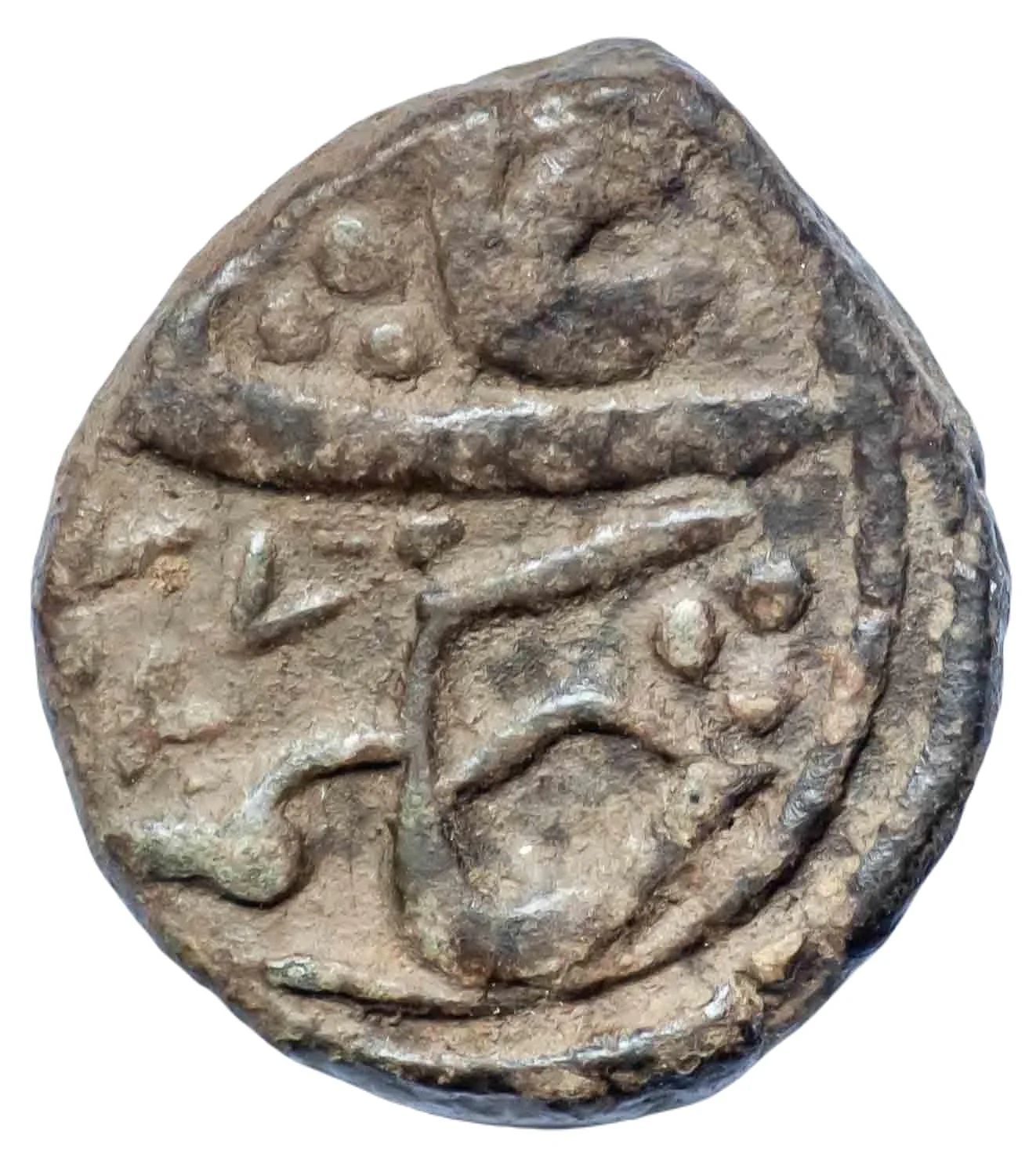
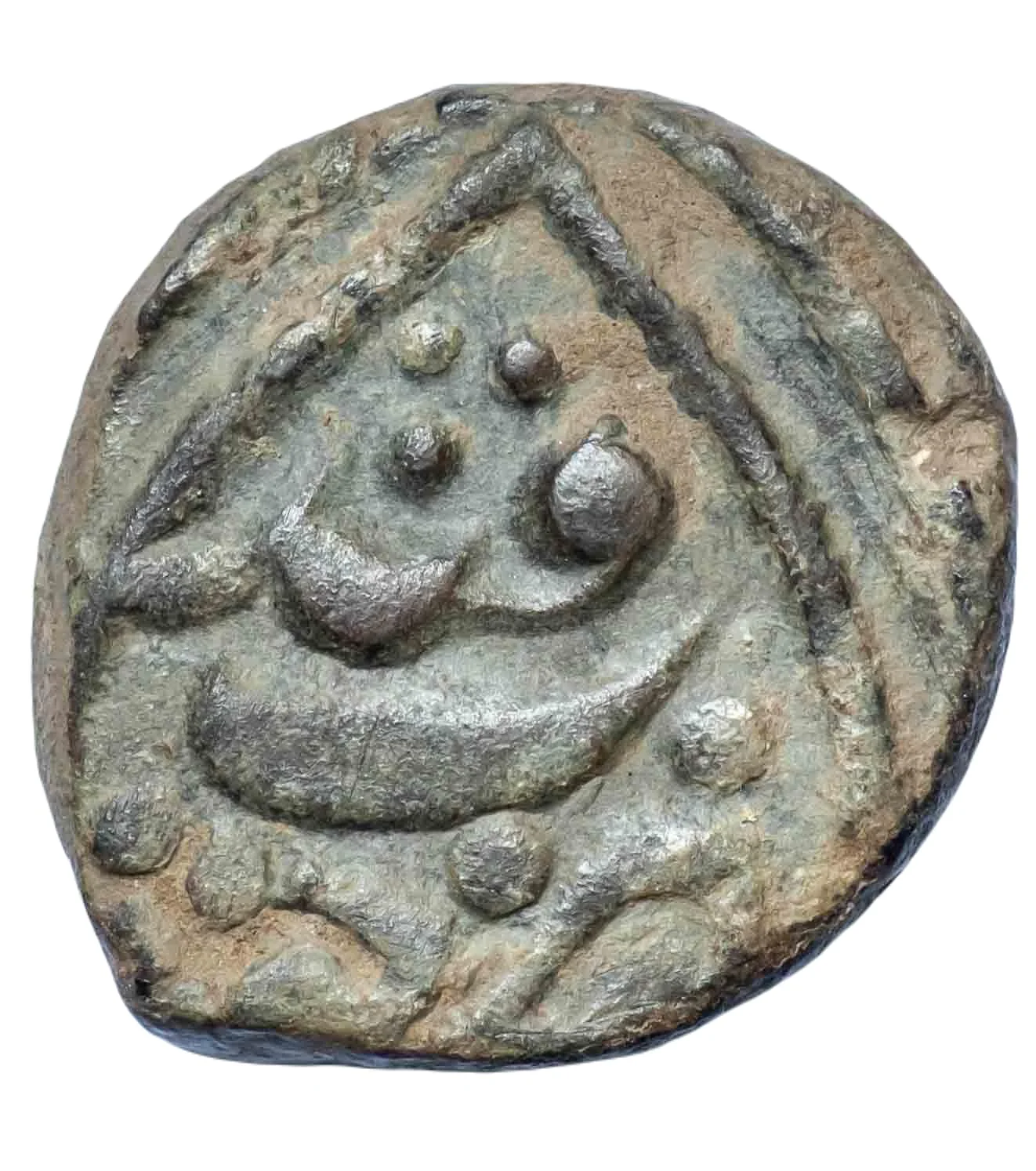
1 pul – Khoqand Khanate
Add to wishlist
Context
Year: 1860
Islamic (Hijri) Year:: 1277
Country: Central Asia
Issuer: Khoqand Khanate
Ruler: Muhammad Mallya Beg Khan
Currency:
(1796—1876)
Demonetized: Yes
Material
References
Numista: #434064
Obverse
Reverse
Edge
Mintings
| Year | Mint Mark | Mintage | Quality | Collection |
|---|---|---|---|---|
| 1860 | — | — |
Historical background
By 1860, the currency system of the Khoqand Khanate was in a state of severe crisis, reflecting the broader political and economic instability of the realm. The Khanate, a major Central Asian power centered in the Fergana Valley, had long issued its own silver tanga and copper pul coins. However, decades of costly military campaigns against the Emirate of Bukhara and the Russian Empire, combined with internal succession struggles and rampant corruption, had drained the state treasury. To finance these deficits, the Khoqandi rulers, particularly Khudayar Khan (in his third reign), resorted to drastic debasement, significantly reducing the silver content in their coinage while maintaining its face value.
This monetary policy led to rampant inflation, a collapse in public trust, and economic chaos within the Khanate's bustling trade centers. The devalued Khoqand tanga circulated alongside, and at a disadvantage to, older full-weight coins and currencies from neighboring states like Bukhara and Russia, creating a complex and unreliable multi-currency environment. Merchants and the population hoarded older, purer coins, further exacerbating the shortage of sound money. The debasement effectively functioned as a heavy tax on the populace, eroding savings, disrupting the vital Silk Road trade networks, and causing widespread hardship and social discontent.
The currency crisis of 1860 was both a symptom and a catalyst of the Khanate's impending collapse. It underscored the government's weakening authority and its inability to manage the fundamental pillars of the economy. This internal fragility left Khoqand critically vulnerable to external pressure, which culminated just five years later when the Khanate was fully annexed by the Russian Empire in 1865. The Russian administration would subsequently dismantle Khoqand's monetary system, replacing it with the imperial ruble, thereby ending the region's era of independent coinage.
This monetary policy led to rampant inflation, a collapse in public trust, and economic chaos within the Khanate's bustling trade centers. The devalued Khoqand tanga circulated alongside, and at a disadvantage to, older full-weight coins and currencies from neighboring states like Bukhara and Russia, creating a complex and unreliable multi-currency environment. Merchants and the population hoarded older, purer coins, further exacerbating the shortage of sound money. The debasement effectively functioned as a heavy tax on the populace, eroding savings, disrupting the vital Silk Road trade networks, and causing widespread hardship and social discontent.
The currency crisis of 1860 was both a symptom and a catalyst of the Khanate's impending collapse. It underscored the government's weakening authority and its inability to manage the fundamental pillars of the economy. This internal fragility left Khoqand critically vulnerable to external pressure, which culminated just five years later when the Khanate was fully annexed by the Russian Empire in 1865. The Russian administration would subsequently dismantle Khoqand's monetary system, replacing it with the imperial ruble, thereby ending the region's era of independent coinage.

✨ Legendary