

50 centimes – New Caledonia
Add to wishlist
France
Context
Year: 1949
Country: France
Issuer: New Caledonia
Period:
(1946—1958)
Currency:
(since 1945)
Demonetized: Yes
Total mintage: 1,000,000
Material
References
KM: #
Numista: #4310
Value
Exchange value: 0.50 XPF
Obverse
Description:
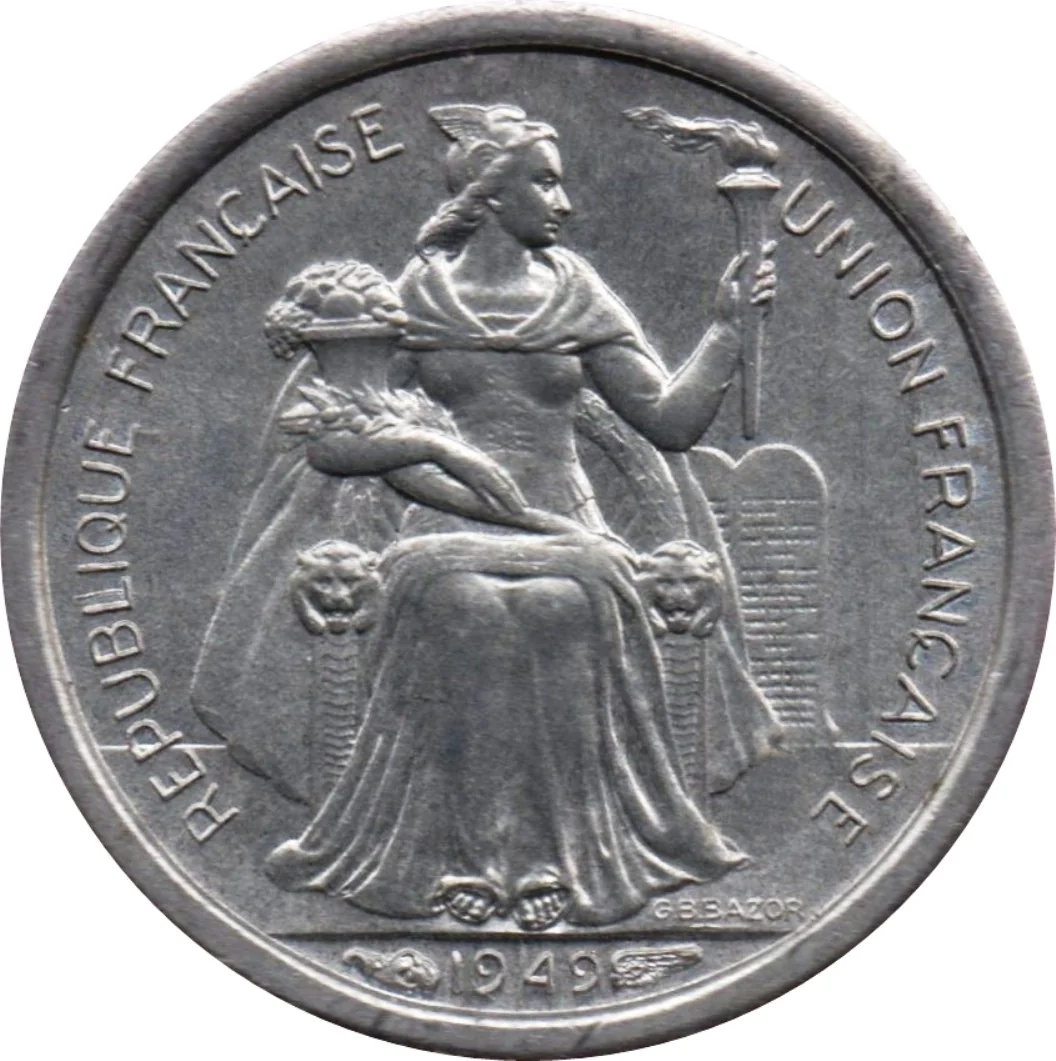
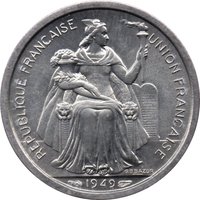
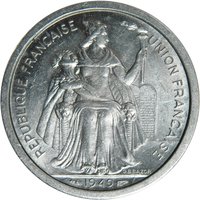
Liberty seated left on throne, holding a lit torch in her left hand and a cornucopia of fruit in her right arm.
Inscription:
REPUBLIQUE FRANÇAISE UNION FRANÇAISE
G.B.BAZOR
1949
G.B.BAZOR
1949
Translation:
FRENCH REPUBLIC FRENCH UNION
G.B.BAZOR
1949
G.B.BAZOR
1949
Script: Latin
Language: French
Engraver: Lucien Georges Bazor
Reverse
Description:
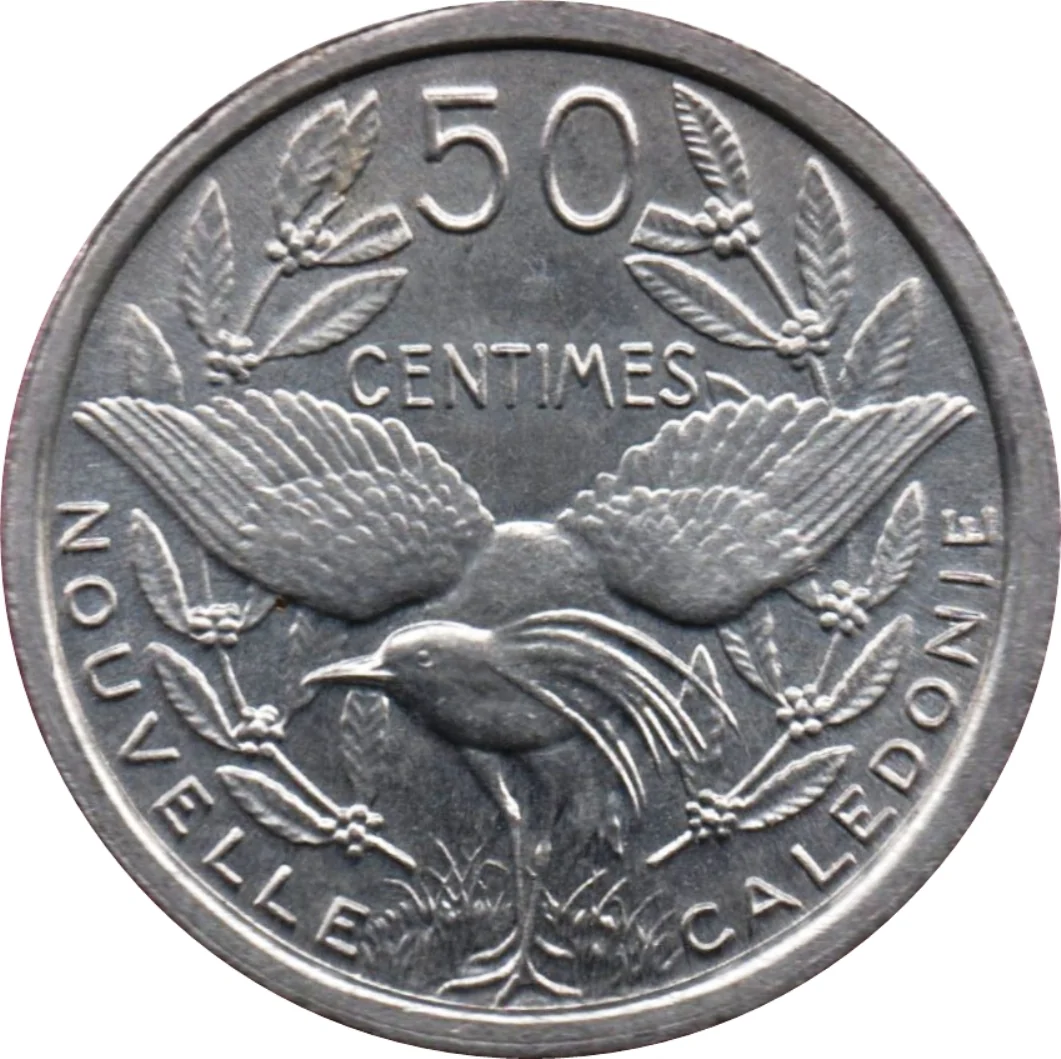
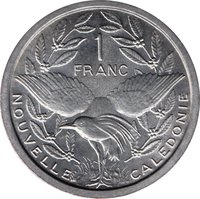
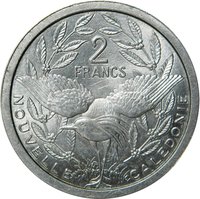
Kagu bird amid sprigs below value.
Inscription:
50
CENTIMES
NOUVELLE CALEDONIE
CENTIMES
NOUVELLE CALEDONIE
Script: Latin
Engraver: Lucien Georges Bazor
Edge
Plain
Mints
| Name | Mark |
|---|---|
| Monnaie de Paris | — |
Mintings
| Year | Mint Mark | Mintage | Quality | Collection |
|---|---|---|---|---|
| 1949 | — | 1,000,000 |
Historical background
In 1949, New Caledonia remained under the monetary system imposed by France, using the French Pacific franc (CFP franc), which had been introduced across France's Pacific territories in 1945. This currency was created to replace the Free French franc that had circulated during World War II and was pegged at a fixed rate to the French franc, ensuring monetary stability and tight economic control from Paris. For the local economy, dominated by nickel mining and agriculture, this meant that trade, prices, and investment were intrinsically linked to the economic policies and conditions of a distant metropole recovering from war.
The post-war period saw significant economic and social tensions in New Caledonia. A major nickel boom, driven by global reconstruction demand, increased revenues but also highlighted inequalities and fueled a migration influx. The fixed CFP franc system, while providing stability, also meant that the colony had little autonomous monetary policy to manage these inflationary pressures or to direct investment for local development. Economic decision-making was centralized, and the benefits of the resource boom were unevenly distributed, primarily accruing to the metropolitan-controlled mining companies and the colonial elite.
Thus, the currency situation in 1949 was a cornerstone of the broader colonial relationship. It symbolized and enforced New Caledonia's dependent economic integration into the French Union. While it provided a stable medium of exchange, it also reflected a lack of financial sovereignty and was a point around which broader grievances about economic control and the distribution of wealth would coalesce in the decades to follow, as movements for greater autonomy gained momentum.
The post-war period saw significant economic and social tensions in New Caledonia. A major nickel boom, driven by global reconstruction demand, increased revenues but also highlighted inequalities and fueled a migration influx. The fixed CFP franc system, while providing stability, also meant that the colony had little autonomous monetary policy to manage these inflationary pressures or to direct investment for local development. Economic decision-making was centralized, and the benefits of the resource boom were unevenly distributed, primarily accruing to the metropolitan-controlled mining companies and the colonial elite.
Thus, the currency situation in 1949 was a cornerstone of the broader colonial relationship. It symbolized and enforced New Caledonia's dependent economic integration into the French Union. While it provided a stable medium of exchange, it also reflected a lack of financial sovereignty and was a point around which broader grievances about economic control and the distribution of wealth would coalesce in the decades to follow, as movements for greater autonomy gained momentum.
🌱 Very Common