

10 centavos – Mozambique
Add to wishlist
Mozambique
Context
Year: 2024
Issuer: Mozambique
Issuing organization: Bank of Mozambique
Period:
(since 1990)
Currency:
(since 2006)
Material
References
Numista: #428581
Value
Exchange value: 0.10 MZN
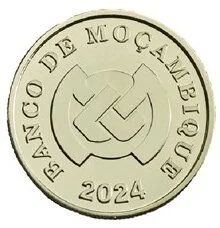
Obverse
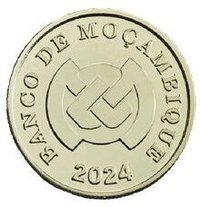
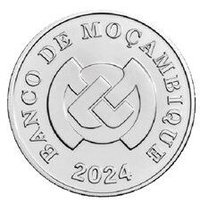
Description:
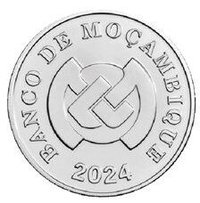
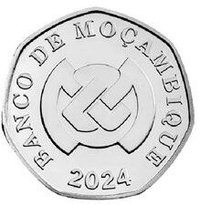
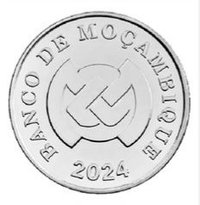
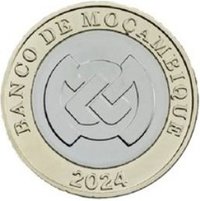
Bank logo centered, issuer name above, date below.
Inscription:
BANCO DE MOÇAMBIQUE
2024
2024
Translation:
Bank of Mozambique
2024
2024
Script: Latin
Language: Portuguese
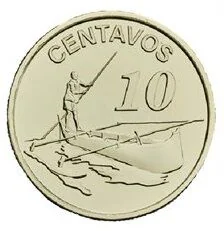
Reverse
Edge
Reeded
Categories
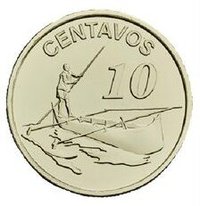
| Transportation> Watercraft |
Mintings
| Year | Mint Mark | Mintage | Quality | Collection |
|---|---|---|---|---|
| 2024 | — | — |
Historical background
In 2024, Mozambique's currency, the metical (MZN), continues to face significant pressures, primarily driven by a combination of structural economic vulnerabilities and external shocks. The currency has experienced notable depreciation against major currencies like the US dollar, a trend exacerbated by high inflation, sustained trade deficits, and substantial public debt servicing obligations. While revenues from the burgeoning liquefied natural gas (LNG) sector offer a long-term anchor for stability, the immediate macroeconomic benefits remain limited as these mega-projects are largely export-focused with delayed fiscal returns and imported inputs, limiting direct support for the metical in the short term.
The Central Bank of Mozambique (Banco de Moçambique) has maintained a relatively tight monetary policy stance to curb inflation and stabilize the currency, utilizing interest rate adjustments and limited foreign exchange interventions. However, its capacity is constrained by low levels of international reserves. External factors, including global monetary tightening and volatile commodity prices, further complicate management. The metical's performance is also sensitive to climate shocks, such as recurring cyclones, which disrupt agriculture and infrastructure, impacting export earnings and increasing import needs for food and reconstruction, thereby creating additional demand for foreign currency.
Looking ahead, the currency's trajectory in 2024 hinges on several key factors: the pace and scale of LNG project developments, the government's ability to implement fiscal reforms and secure debt relief, and the stability of the domestic security situation, particularly in the resource-rich north. While the potential for a future transformation of the economy is significant, the immediate outlook for the metical remains one of managed volatility, with authorities walking a fine line between controlling inflation and supporting fragile economic growth.
The Central Bank of Mozambique (Banco de Moçambique) has maintained a relatively tight monetary policy stance to curb inflation and stabilize the currency, utilizing interest rate adjustments and limited foreign exchange interventions. However, its capacity is constrained by low levels of international reserves. External factors, including global monetary tightening and volatile commodity prices, further complicate management. The metical's performance is also sensitive to climate shocks, such as recurring cyclones, which disrupt agriculture and infrastructure, impacting export earnings and increasing import needs for food and reconstruction, thereby creating additional demand for foreign currency.
Looking ahead, the currency's trajectory in 2024 hinges on several key factors: the pace and scale of LNG project developments, the government's ability to implement fiscal reforms and secure debt relief, and the stability of the domestic security situation, particularly in the resource-rich north. While the potential for a future transformation of the economy is significant, the immediate outlook for the metical remains one of managed volatility, with authorities walking a fine line between controlling inflation and supporting fragile economic growth.
✨ Legendary