

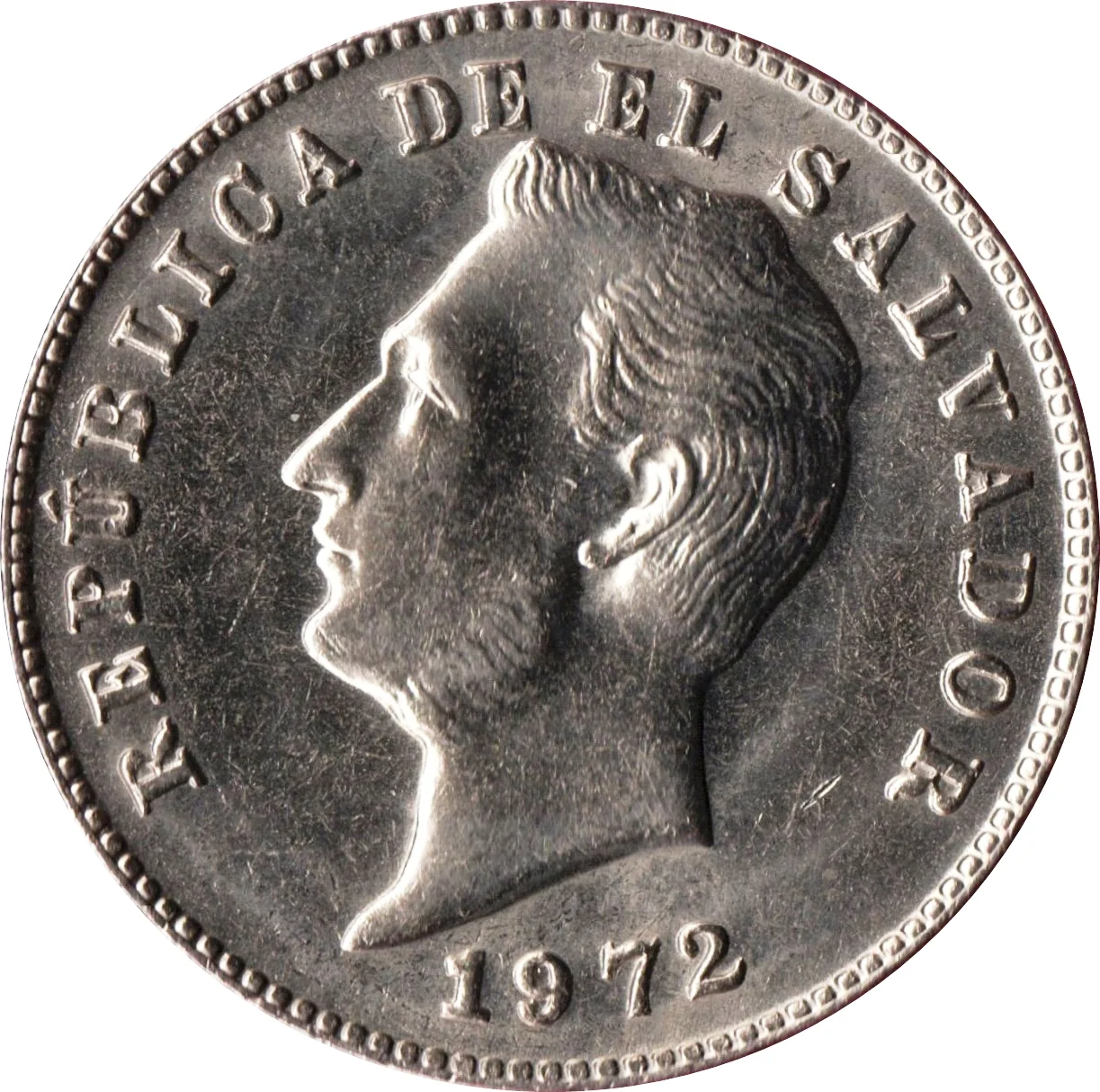
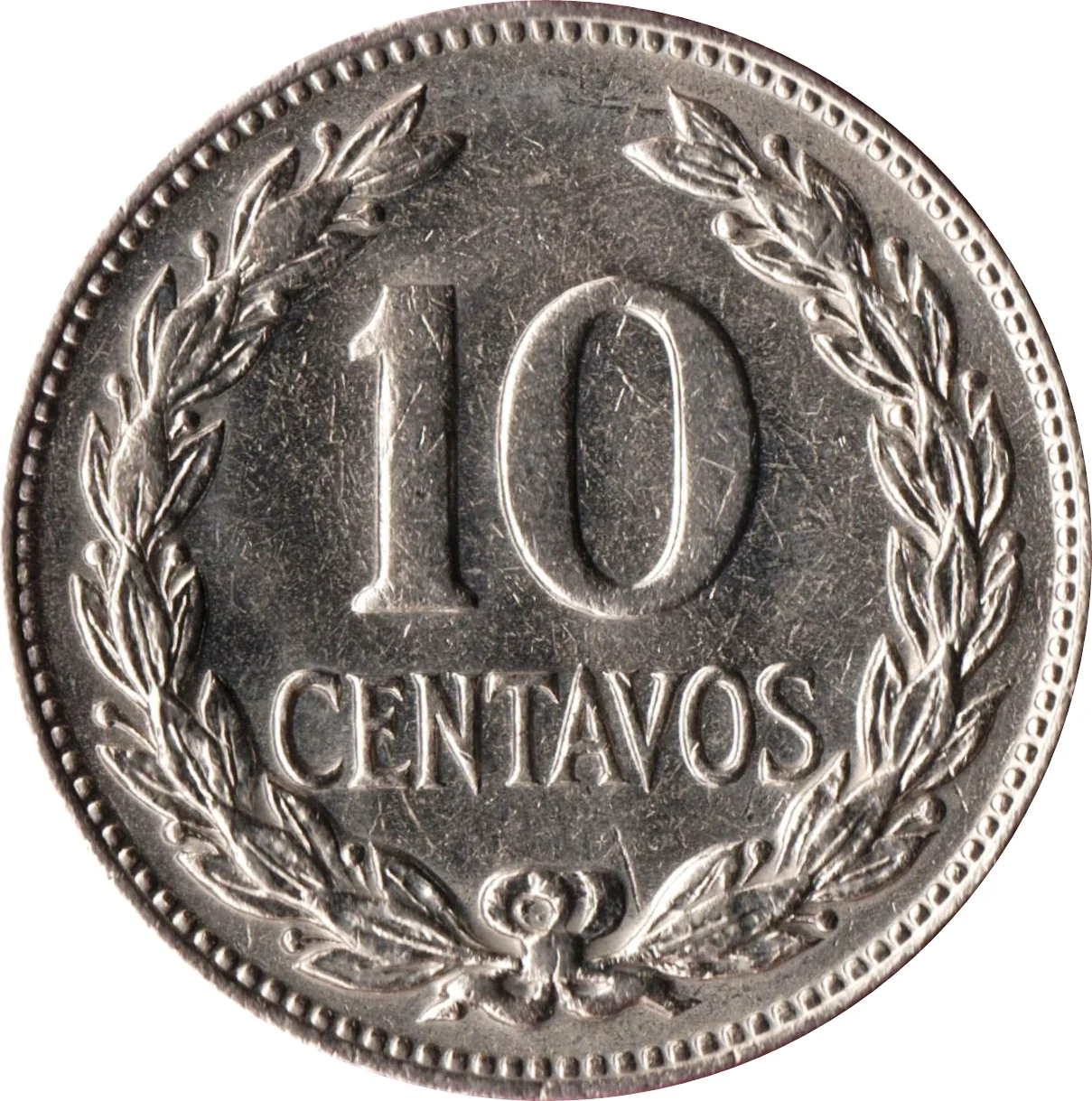
10 centavos – El Salvador
Add to wishlist
El Salvador
Context
Years: 1921–1973
Issuer: El Salvador
Period:
(since 1841)
Currency:
(since 1892)
Demonetization: 1 January 2001
Total mintage: 20,500,000
Material
References
KM: #
Numista: #4266
Value
Exchange value: 0.10 SVC
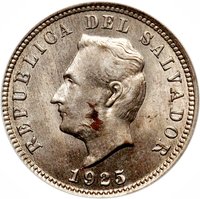
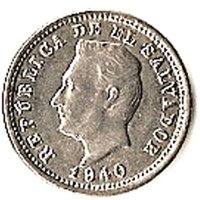
Obverse
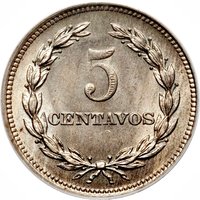
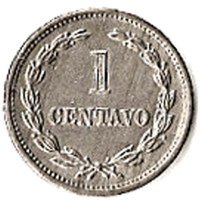
Reverse
Edge
Plain
Categories
| Person> Politician |
| Symbol> Wreath |
Mints
| Name | Mark |
|---|---|
| United States Mint of Denver | — |
| United States Mint of Philadelphia | — |
| United States Mint of San Francisco | — |
Mintings
| Year | Mint Mark | Mintage | Quality | Collection |
|---|---|---|---|---|
| 1921 | — | 2,000,000 | ||
| 1925 | — | 2,000,000 | ||
| 1940 | — | 500,000 | ||
| 1951 | — | 1,000,000 | ||
| 1967 | — | 2,000,000 | ||
| 1968 | — | 3,000,000 | ||
| 1969 | — | 3,000,000 | ||
| 1973 | — | 7,000,000 |
Historical background
In 1921, El Salvador found itself in a precarious monetary situation, characterized by the chaotic circulation of multiple, depreciating currencies. Since the late 19th century, the country had no official mint and relied on foreign coins, primarily the silver Mexican Peso and other Latin American currencies, which circulated alongside privately issued banknotes. The global economic disruption following World War I, particularly a sharp decline in the international price of silver, caused the metallic value of these silver coins to fall below their face value. This led to the hoarding and exportation of higher-value gold coins, leaving the economy flooded with depreciating silver, causing inflation and eroding public confidence in the money in their pockets.
The government, under President Jorge Meléndez, recognized the urgent need for reform and stability. In response, it passed the Monetary Law of 1919, which came into full effect in the early 1920s. This law established the Colón as the new national currency, replacing the old Peso at a rate of 1 Colón = 1 Peso. Crucially, it placed the Colón on the gold standard, pegging it to the United States Dollar at a fixed rate of 2 Colónes = 1 USD. This move was intended to stabilize the currency, attract foreign investment, and facilitate trade, particularly with the United States, which was becoming El Salvador's dominant economic partner.
However, the transition in 1921 was challenging and not immediately successful. While the framework was established, the government lacked the gold reserves to fully back the new currency as intended, making the gold standard largely theoretical or "limping" in practice. The pre-reform inflationary problems persisted into the early 1920s, and it would take several more years for the Colón to achieve genuine stability. Thus, 1921 represents a pivotal year of legislative action aimed at resolving a monetary crisis, but one where the intended stability was still a work in progress amidst ongoing economic turbulence.
The government, under President Jorge Meléndez, recognized the urgent need for reform and stability. In response, it passed the Monetary Law of 1919, which came into full effect in the early 1920s. This law established the Colón as the new national currency, replacing the old Peso at a rate of 1 Colón = 1 Peso. Crucially, it placed the Colón on the gold standard, pegging it to the United States Dollar at a fixed rate of 2 Colónes = 1 USD. This move was intended to stabilize the currency, attract foreign investment, and facilitate trade, particularly with the United States, which was becoming El Salvador's dominant economic partner.
However, the transition in 1921 was challenging and not immediately successful. While the framework was established, the government lacked the gold reserves to fully back the new currency as intended, making the gold standard largely theoretical or "limping" in practice. The pre-reform inflationary problems persisted into the early 1920s, and it would take several more years for the Colón to achieve genuine stability. Thus, 1921 represents a pivotal year of legislative action aimed at resolving a monetary crisis, but one where the intended stability was still a work in progress amidst ongoing economic turbulence.
🌱 Very Common