

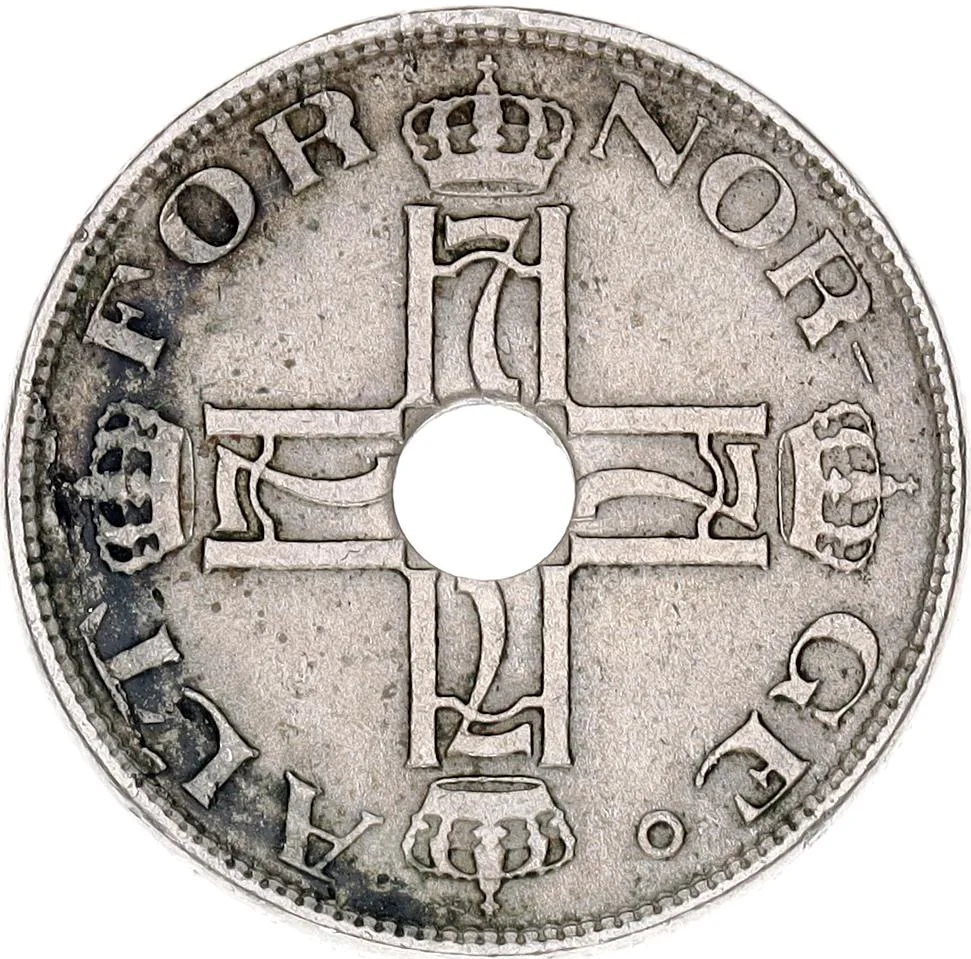
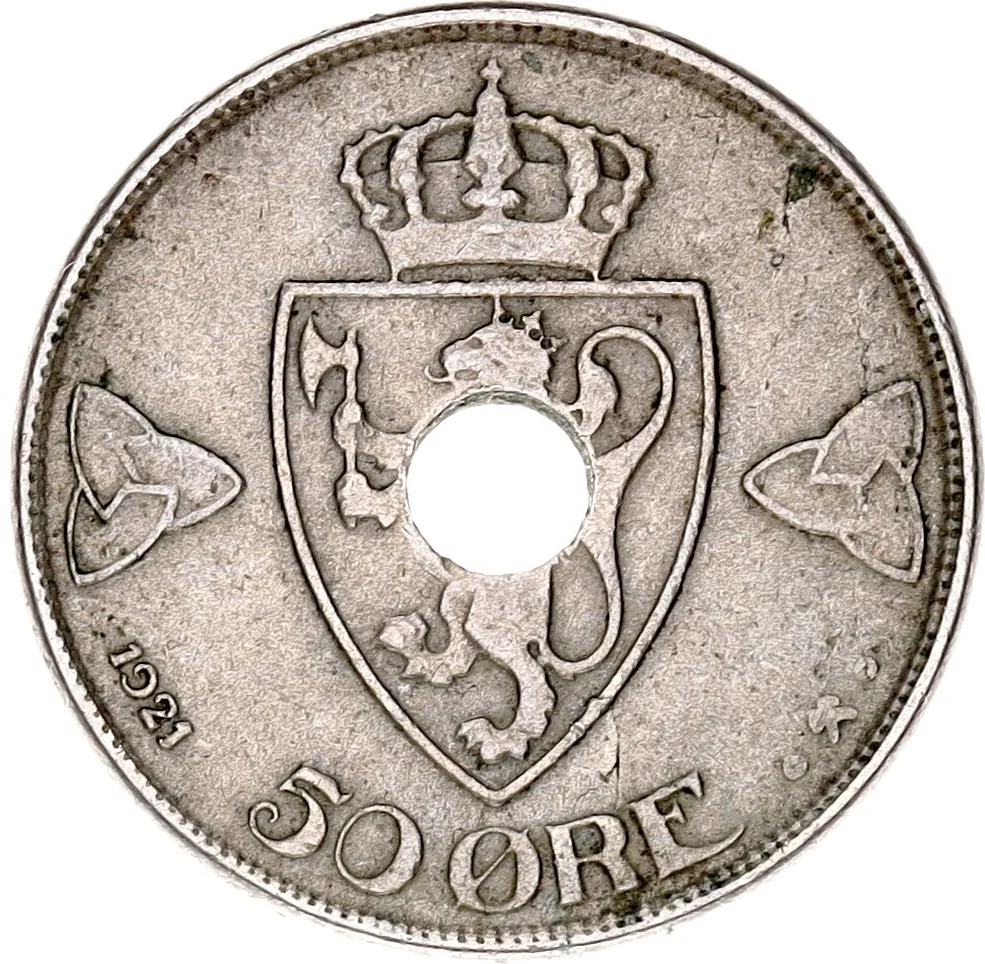
50 øre – Norway
Add to wishlist
Norway
Context
Material
Diameter: 22 mm
Weight: 4.8 g
Shape: Round with a round hole
Composition: Copper-nickel
Technique: Milled
References
KM: #
Numista: #1453
Value
Exchange value: 0.50 NOK
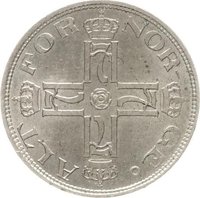
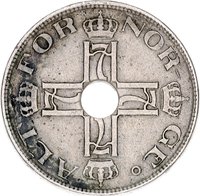
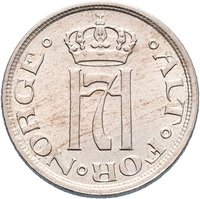
Obverse
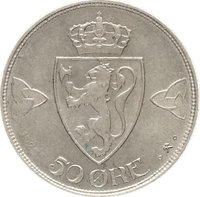
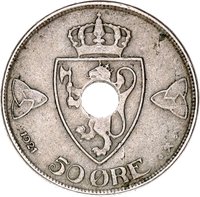
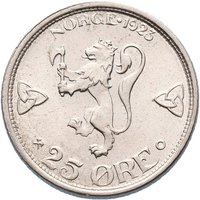
Reverse
Edge
Milled
Mints
| Name | Mark |
|---|---|
| Norwegian Mint | — |
Mintings
| Year | Mint Mark | Mintage | Quality | Collection |
|---|---|---|---|---|
| 1920 | — | — | ||
| 1921 | — | — | ||
| 1922 | — | — | ||
| 1923 | — | — |
Historical background
Norway's currency situation in 1920 was defined by the profound economic turbulence following the First World War. Although neutral, Norway's economy had been heavily strained by wartime blockades, rampant shipping speculation, and a global post-war boom that quickly turned to bust. The Norwegian krone, which had been on the classical gold standard until 1914, remained officially suspended from convertibility, leaving it vulnerable to inflation and exchange rate volatility. By 1920, the country was grappling with soaring prices, a sharp economic downturn, and a significant outflow of gold reserves as international trade patterns normalized.
The central policy dilemma facing Norwegian authorities was whether and when to return to the gold standard at the pre-war parity. This was a matter of national prestige and financial credibility, but it came at a high cost. To restore the krone to its 1914 gold value would require a painful period of deflation, high interest rates, and tight monetary policy to drive its floating value back up. The Norges Bank (central bank) began this restrictive process in the latter half of 1920, raising discount rates to curb speculation and support the currency, despite the negative impact on domestic employment and industry.
Consequently, 1920 stands as a pivotal year of transition and tough choices. The decision to pursue a deflationary path in pursuit of the pre-war gold parity set the stage for the economic challenges of the early 1920s, including a banking crisis. It reflected a broader European preference for restoring the perceived stability of the pre-1914 financial order, even as the social and economic costs of such a policy became increasingly apparent within Norway's struggling post-war economy.
The central policy dilemma facing Norwegian authorities was whether and when to return to the gold standard at the pre-war parity. This was a matter of national prestige and financial credibility, but it came at a high cost. To restore the krone to its 1914 gold value would require a painful period of deflation, high interest rates, and tight monetary policy to drive its floating value back up. The Norges Bank (central bank) began this restrictive process in the latter half of 1920, raising discount rates to curb speculation and support the currency, despite the negative impact on domestic employment and industry.
Consequently, 1920 stands as a pivotal year of transition and tough choices. The decision to pursue a deflationary path in pursuit of the pre-war gold parity set the stage for the economic challenges of the early 1920s, including a banking crisis. It reflected a broader European preference for restoring the perceived stability of the pre-1914 financial order, even as the social and economic costs of such a policy became increasingly apparent within Norway's struggling post-war economy.
🌱 Fairly Common