

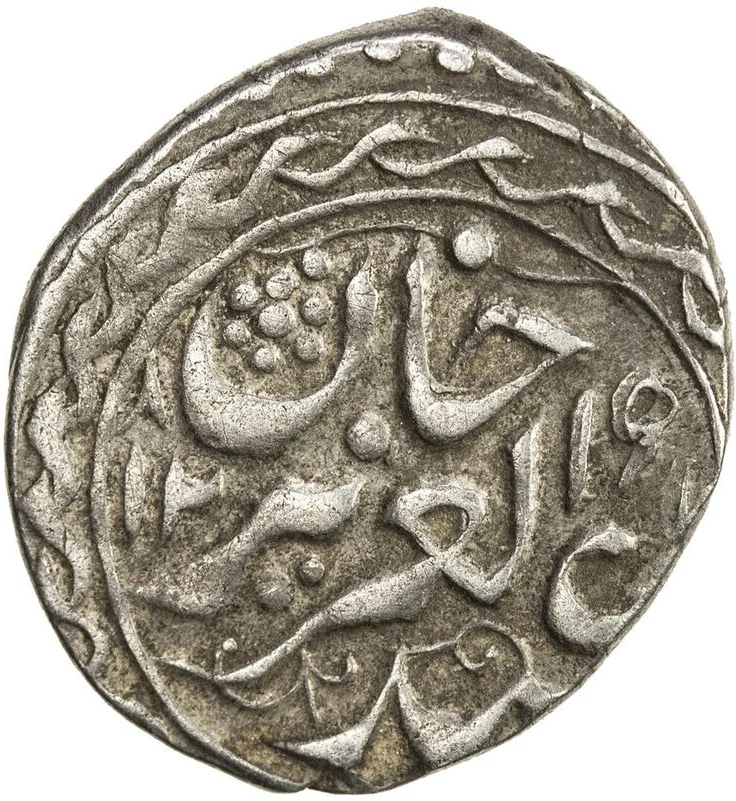
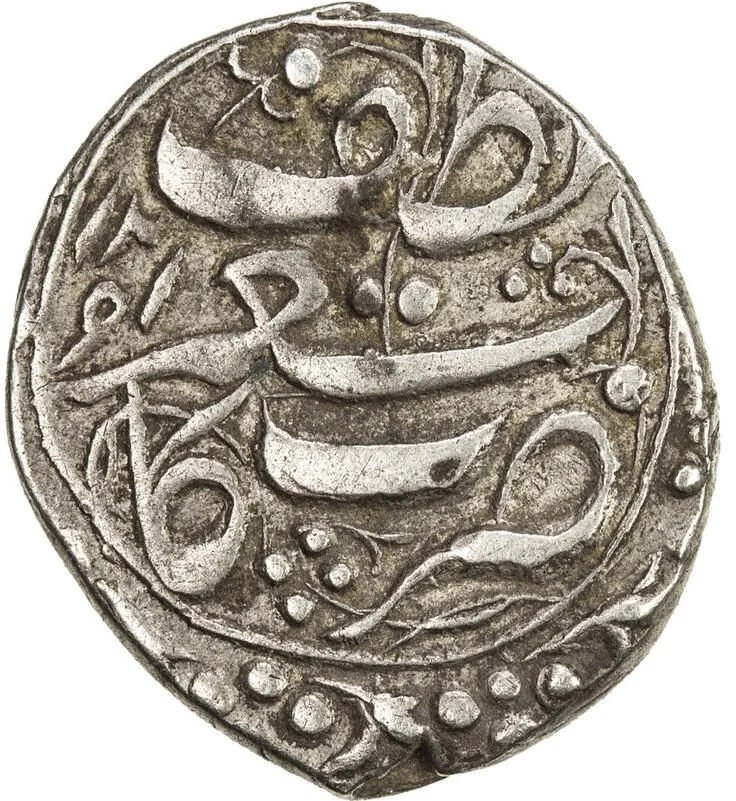
½ Miscal / 5 Fen – Sinkiang Province
China
Context

Material
Diameter: 13 mm
Weight: 1.64 g
Silver weight: 1.64 g
Thickness: 1.4 mm
Shape: Irregular round
Composition: Silver
Magnetic: No
References
Numista: #42023
Value
Bullion value: $4.74
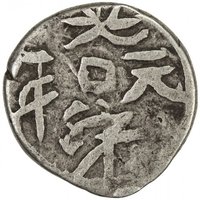
Obverse
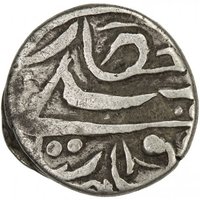
Reverse
Edge
Plain
Mintings
| Year | Mint Mark | Mintage | Quality | Collection |
|---|---|---|---|---|
| 1874 | — | — | ||
| 1874 | — | — | ||
| 1875 | — | — | ||
| 1876 | — | — | ||
| 1877 | — | — |
Historical background
In 1874, the currency situation in Sinkiang (Xinjiang) was chaotic and unstable, a direct reflection of the region's fractured political control. Following the devastating Dungan Revolt (1862–1877), Qing authority had collapsed across much of the territory. The region was divided among Yakub Beg's Turkic Islamic state (Yettishar), which controlled the Tarim Basin and parts of the north; remaining Qing loyalist forces, primarily in the Ili Valley (soon to be occupied by Russia); and various local rebel groups. This political fragmentation resulted in a complete breakdown of the unified monetary system that had existed under firm Qing administration.
Consequently, multiple currencies circulated without a central standard. In areas under Yakub Beg's rule, new copper coins (puls) and silver tanga were minted in Kashgar, bearing Islamic inscriptions to legitimize his rule, but their weight and purity were often unreliable. In Qing-held zones, older Chinese-style copper cash and silver sycees might still be used, but they were scarce. The most trusted and ubiquitous medium, especially for larger transactions and trade, was the Mexican silver dollar. These coins entered the region via Russian and British Indian trade routes through Central Asia, serving as a de facto stable currency amidst the local instability. Barter also remained a common practice.
This monetary disarray severely hampered trade and economic recovery. The lack of a uniform standard led to widespread discounting, counterfeiting, and confusion in exchange rates between the various coins. The situation was a significant obstacle for the Qing, who were then in the early planning stages of their reconquest (the Qing reconquest of Xinjiang, led by Zuo Zongtang, began in earnest in 1876). Restoring a unified and trustworthy currency system was understood as a critical component of re-establishing sovereignty, administrative control, and economic integration with China proper, a task that would only begin after the military campaign's success.
Consequently, multiple currencies circulated without a central standard. In areas under Yakub Beg's rule, new copper coins (puls) and silver tanga were minted in Kashgar, bearing Islamic inscriptions to legitimize his rule, but their weight and purity were often unreliable. In Qing-held zones, older Chinese-style copper cash and silver sycees might still be used, but they were scarce. The most trusted and ubiquitous medium, especially for larger transactions and trade, was the Mexican silver dollar. These coins entered the region via Russian and British Indian trade routes through Central Asia, serving as a de facto stable currency amidst the local instability. Barter also remained a common practice.
This monetary disarray severely hampered trade and economic recovery. The lack of a uniform standard led to widespread discounting, counterfeiting, and confusion in exchange rates between the various coins. The situation was a significant obstacle for the Qing, who were then in the early planning stages of their reconquest (the Qing reconquest of Xinjiang, led by Zuo Zongtang, began in earnest in 1876). Restoring a unified and trustworthy currency system was understood as a critical component of re-establishing sovereignty, administrative control, and economic integration with China proper, a task that would only begin after the military campaign's success.
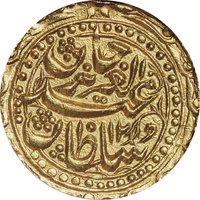
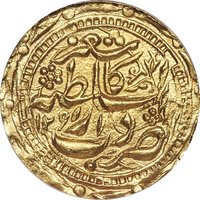
💎 Extremely Rare