

1 Mun – Joseon
Context
Material
Diameter: 24.5 mm
Weight: 4 g
Shape: Round with a square hole
Composition: Bronze
Magnetic: No
Technique: Cast
Alignment: Medal alignment
flip
References
KM: #Click to copy to clipboard793
Numista: #144982
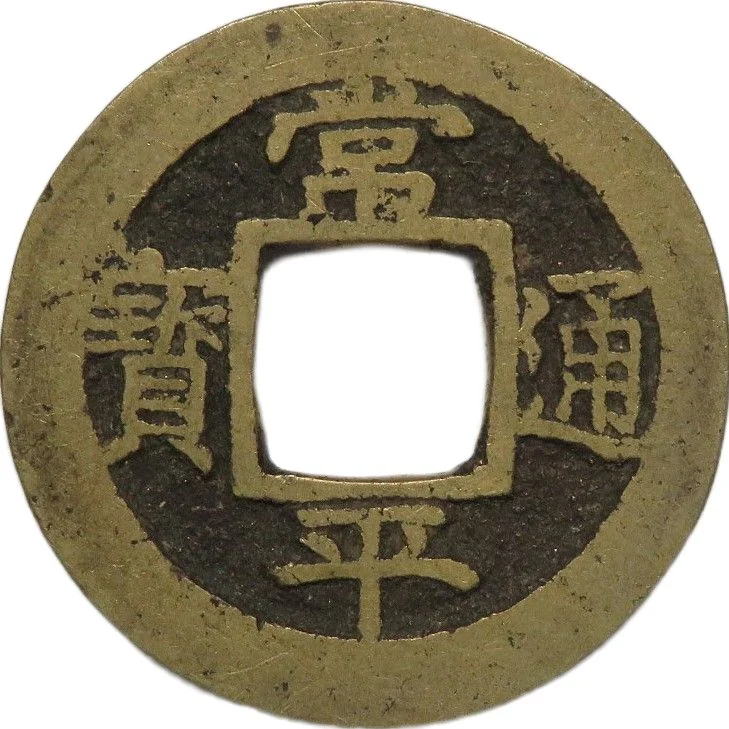
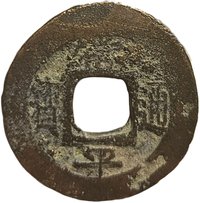
Obverse
Description:
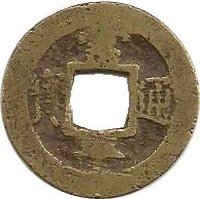
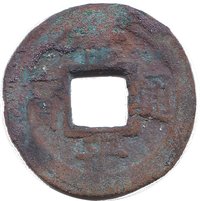
常平通寶 (Sang pyong Tong bo) - Yi Dynasty Korean currency.
Inscription:
常
寶 通
平
寶 通
平
Translation:
Eternal Treasure
Circulating Currency
Circulating Currency
Scripts: Chinese (traditional, regular script)
Language: Chinese
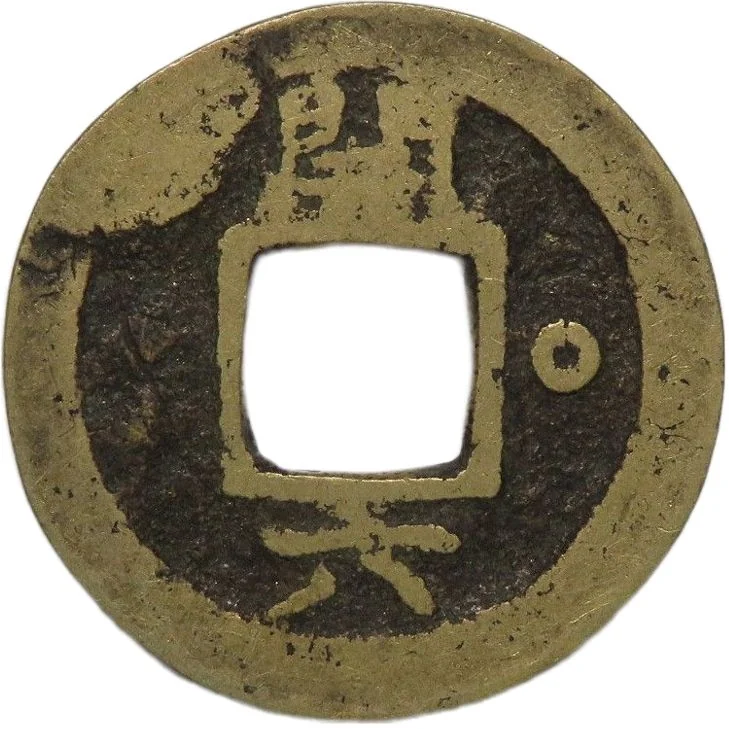
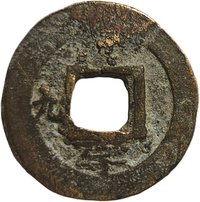
Reverse
Description:
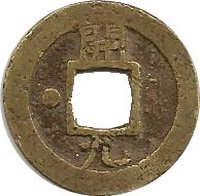
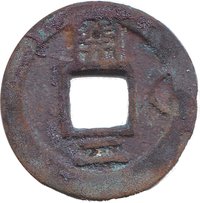
Mint mark top, serial bottom, right circle *開: Kaesong Military Office.
Inscription:
開
○
六
○
六
Translation:
Open; Six
Scripts: Chinese (traditional, regular script)
Language: Classical Chinese
Edge
Mints
| Name | Mark |
|---|---|
| Kaesong Township Military Office | 開 |
Mintings
| Year | Mint Mark | Mintage | Quality | Collection |
|---|---|---|---|---|
| 1816 | 開 | — |
Historical background
In 1816, the Joseon Dynasty was grappling with a severe and protracted currency crisis rooted in the debasement of its primary coin, the sangpyeong tongbo (常平通寶). For over a century, these brass coins had been the stable backbone of a monetizing economy, but by the early 19th century, the state treasury, perpetually strained by military costs, natural disasters, and corruption, had resorted to issuing massive quantities of new coins. This was not to facilitate trade, but as a short-sighted fiscal measure to cover government deficits, flooding the market with currency and triggering rampant inflation.
The consequences were deeply corrosive to society. The value of the coinage plummeted, while prices for rice and essential goods soared, devastating the living standards of the common people, wage earners, and even the lower yangban aristocracy on fixed incomes. Conversely, wealthy merchants and corrupt officials who could manipulate the system profited enormously, leading to widespread social resentment. The crisis also fostered a retreat to a barter economy in many regions and caused a critical shortage of copper, as people illegally melted down coins for the raw metal, which was more valuable than the currency itself.
King Sunjo (r. 1800–1834) was on the throne, but real power lay with the Andong Kim clan in-law faction, which benefited from the corrupt financial practices. Although the government recognized the problem, its attempts at reform—such as issuing new coinages with different metallic compositions or recalling old coins—were sporadic, poorly enforced, and ultimately ineffective. By 1816, the monetary system was in a vicious cycle of devaluation and loss of public trust, a significant symptom of the larger administrative paralysis and factional strife that would continue to weaken the dynasty in the decades leading up to its later confrontations with foreign powers.
The consequences were deeply corrosive to society. The value of the coinage plummeted, while prices for rice and essential goods soared, devastating the living standards of the common people, wage earners, and even the lower yangban aristocracy on fixed incomes. Conversely, wealthy merchants and corrupt officials who could manipulate the system profited enormously, leading to widespread social resentment. The crisis also fostered a retreat to a barter economy in many regions and caused a critical shortage of copper, as people illegally melted down coins for the raw metal, which was more valuable than the currency itself.
King Sunjo (r. 1800–1834) was on the throne, but real power lay with the Andong Kim clan in-law faction, which benefited from the corrupt financial practices. Although the government recognized the problem, its attempts at reform—such as issuing new coinages with different metallic compositions or recalling old coins—were sporadic, poorly enforced, and ultimately ineffective. By 1816, the monetary system was in a vicious cycle of devaluation and loss of public trust, a significant symptom of the larger administrative paralysis and factional strife that would continue to weaken the dynasty in the decades leading up to its later confrontations with foreign powers.
💎 Extremely Rare