

1 mun – Joseon
Add to wishlist
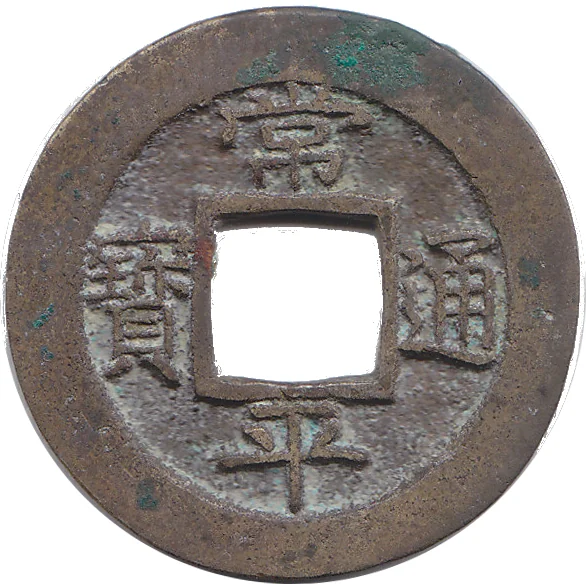
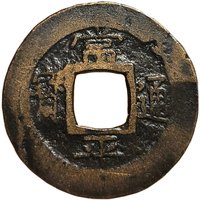
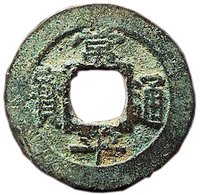
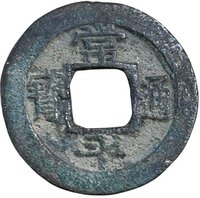
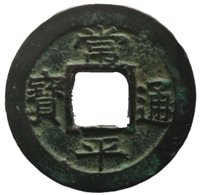
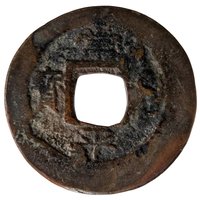
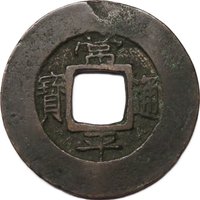
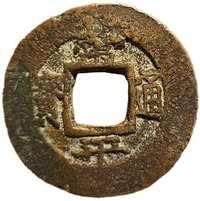
Obverse
Description:
常平通寶 (Sang pyong Tong bo) - Yi Dynasty Korean currency.
Inscription:
常
寶 通
平
寶 通
平
Translation:
Eternal Treasure
Circulating Currency
Circulating Currency
Scripts: Chinese (traditional, regular script)
Language: Chinese
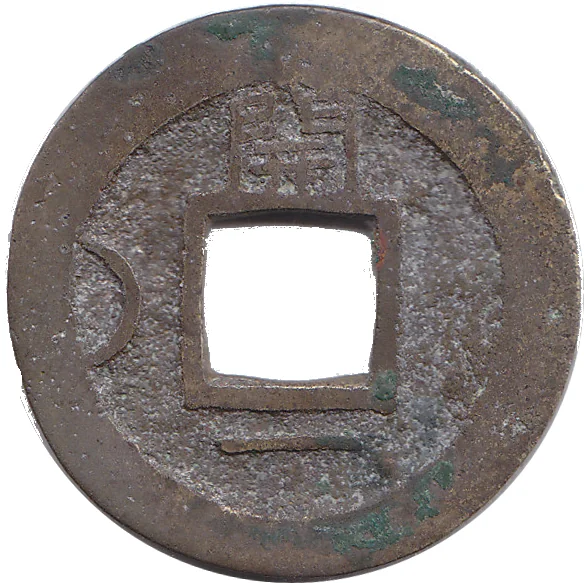
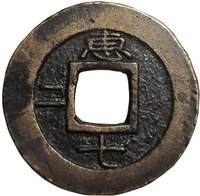
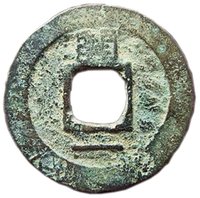
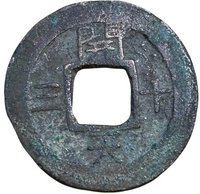
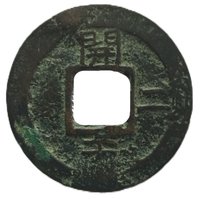
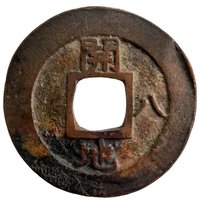
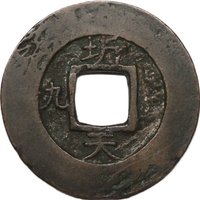
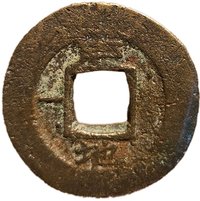
Reverse
Description:
Top: mint mark. Left: crescent "Moon." Bottom: serial number. *開: Kaesong Township Military Office.
Inscription:
開
)
一
)
一
Translation:
Open one treasure.
Scripts: Chinese (traditional, regular script)
Language: Chinese
Edge
Mints
| Name | Mark |
|---|---|
| Kaesong Township Military Office | 開 |
Mintings
| Year | Mint Mark | Mintage | Quality | Collection |
|---|---|---|---|---|
| 1836 | 開 | — |
Historical background
In 1836, the currency system of the Joseon Dynasty was in a state of profound crisis, characterized by rampant counterfeiting, severe inflation, and a debilitating loss of public trust. The primary circulating coin, the sangpyeong tongbo (常平通寶) brass cash coin, had been massively debased. To meet short-term fiscal needs, the state had repeatedly increased minting with adulterated alloys, while private counterfeit operations, often with official collusion, flooded the market with even poorer quality imitations. This led to a vicious cycle where the value of coinage plummeted, prices for rice and basic goods soared, and the government's attempts to recall and re-mint coins only created further instability and confusion.
The monetary disorder was deeply intertwined with systemic political and social problems. The state treasury was chronically depleted due to factional strife, corruption, and the rigid yangban aristocracy's tax exemptions. Attempts at currency reform were sporadic and ineffective, often reversed by powerful factions who profited from the chaotic status quo. The instability hit the common people, including farmers, merchants, and artisans, the hardest, as the real value of their earnings and savings evaporated. This economic distress exacerbated existing social tensions and contributed to widespread peasant unrest and banditry.
Furthermore, the currency crisis reflected Joseon's strained economic relationship with Qing China. Silver, used in larger transactions and foreign trade, was flowing out of the country to pay for imports, creating a shortage. While the government officially maintained a silver-based system for official accounting and some taxes, the reality of daily commerce was dominated by the devalued and unreliable brass coins. Thus, in 1836, the monetary system was not merely an economic issue but a symptom of the dynasty's broader administrative decay and its struggle to manage a changing domestic and tributary-trade economy, foreshadowing the greater upheavals that would confront Joseon in the decades to come.
The monetary disorder was deeply intertwined with systemic political and social problems. The state treasury was chronically depleted due to factional strife, corruption, and the rigid yangban aristocracy's tax exemptions. Attempts at currency reform were sporadic and ineffective, often reversed by powerful factions who profited from the chaotic status quo. The instability hit the common people, including farmers, merchants, and artisans, the hardest, as the real value of their earnings and savings evaporated. This economic distress exacerbated existing social tensions and contributed to widespread peasant unrest and banditry.
Furthermore, the currency crisis reflected Joseon's strained economic relationship with Qing China. Silver, used in larger transactions and foreign trade, was flowing out of the country to pay for imports, creating a shortage. While the government officially maintained a silver-based system for official accounting and some taxes, the reality of daily commerce was dominated by the devalued and unreliable brass coins. Thus, in 1836, the monetary system was not merely an economic issue but a symptom of the dynasty's broader administrative decay and its struggle to manage a changing domestic and tributary-trade economy, foreshadowing the greater upheavals that would confront Joseon in the decades to come.
Series: 1836 Joseon circulation coins

✨ Legendary