

5 cents – Seychelles
Add to wishlist
Seychelles
Context
Years: 1982–2003
Issuer: Seychelles
Period:
(since 1976)
Currency:
(since 1914)
Total mintage: 1,500,000
Material
References
KM: #
Numista: #4181
Value
Exchange value: 0.05 SCR
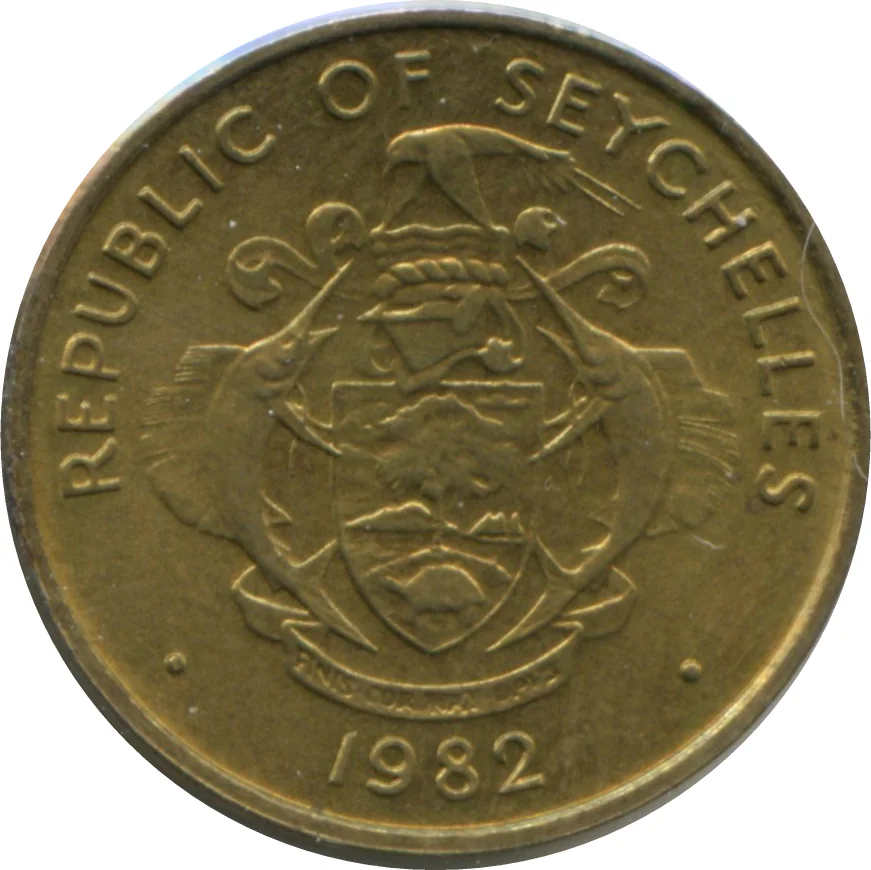
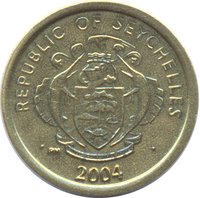
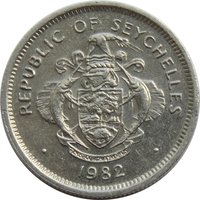
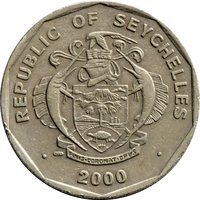
Obverse
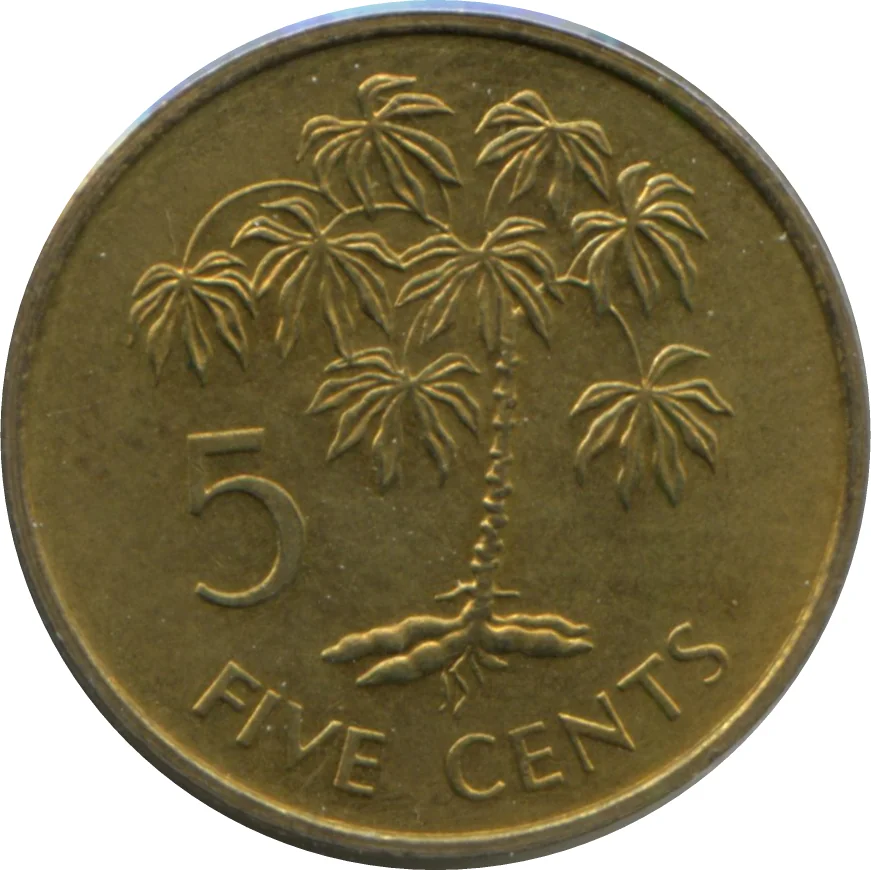
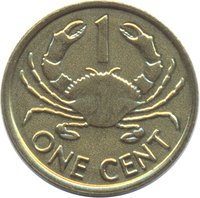
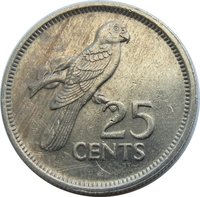
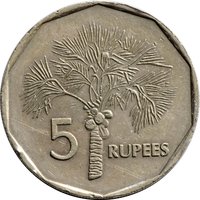
Reverse
Edge
Plain
Mints
| Name | Mark |
|---|---|
| Royal Mint | — |
| Pobjoy Mint | PM |
| South African Mint | sa |
Mintings
Historical background
In 1982, the Seychelles economy was navigating a period of significant strain and transition, heavily influenced by its socialist-oriented policies under President France-Albert René. The country faced a severe foreign exchange crisis, a common challenge for small island developing states reliant on imports for most goods, from food to machinery. Declining tourism revenues following the 1977 coup and global economic headwinds had depleted hard currency reserves, creating shortages of essential imports and hindering economic growth. The government maintained strict exchange controls, with the Seychelles rupee pegged to a basket of currencies, but a thriving black market for foreign currency highlighted the growing disparity between the official and real market values.
The situation was exacerbated by a burdensome state-led economic model featuring numerous parastatals and controlled prices. This environment stifled private enterprise and did little to generate the export earnings needed to support the currency peg. Consequently, 1982 represented a year of mounting pressure that foreshadowed deeper structural problems. The foreign exchange shortages became a critical bottleneck, prompting the government to seek assistance from the International Monetary Fund (IMF), setting the stage for future economic reforms.
Therefore, the currency situation in 1982 was characterized by a fragile official peg maintained through restrictive controls, while underlying economic weaknesses fueled a parallel market and depleted reserves. This period marked the culmination of several difficult years, positioning 1982 as a prelude to the more profound economic adjustments and eventual liberalization that would follow in the subsequent decades, including a major currency devaluation and the move to a floating exchange rate regime much later.
The situation was exacerbated by a burdensome state-led economic model featuring numerous parastatals and controlled prices. This environment stifled private enterprise and did little to generate the export earnings needed to support the currency peg. Consequently, 1982 represented a year of mounting pressure that foreshadowed deeper structural problems. The foreign exchange shortages became a critical bottleneck, prompting the government to seek assistance from the International Monetary Fund (IMF), setting the stage for future economic reforms.
Therefore, the currency situation in 1982 was characterized by a fragile official peg maintained through restrictive controls, while underlying economic weaknesses fueled a parallel market and depleted reserves. This period marked the culmination of several difficult years, positioning 1982 as a prelude to the more profound economic adjustments and eventual liberalization that would follow in the subsequent decades, including a major currency devaluation and the move to a floating exchange rate regime much later.
🌱 Very Common