

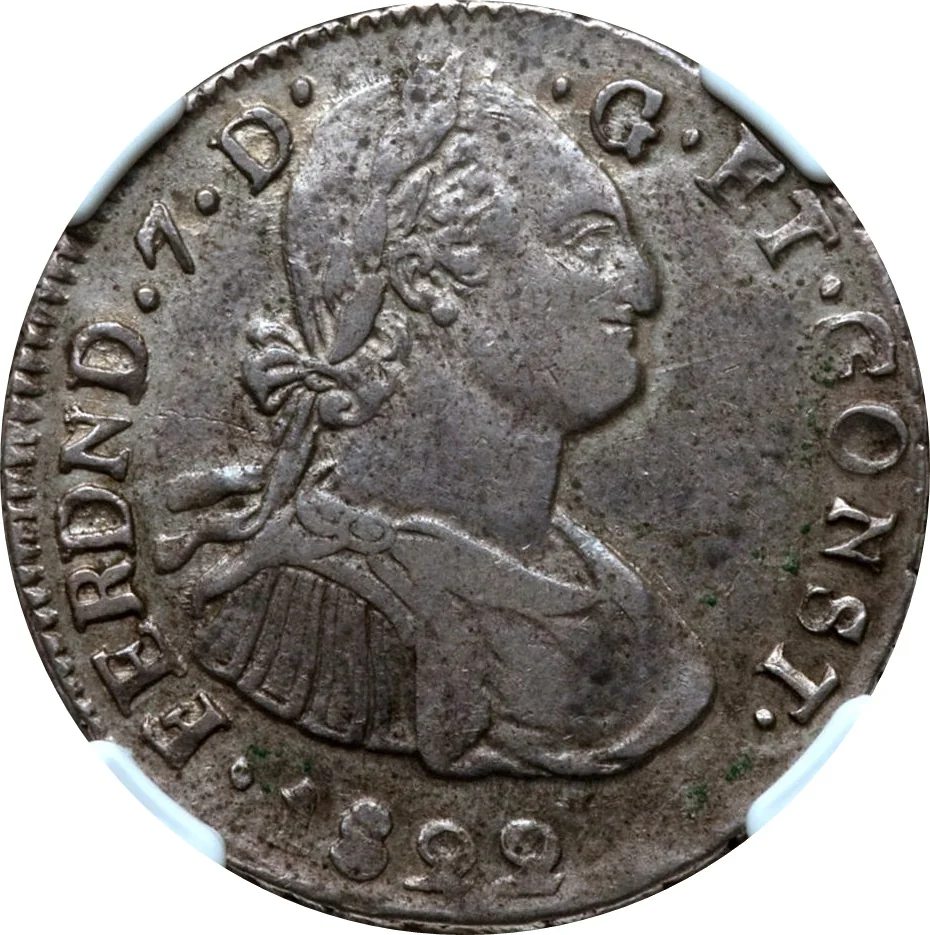
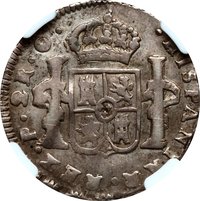
Obverse
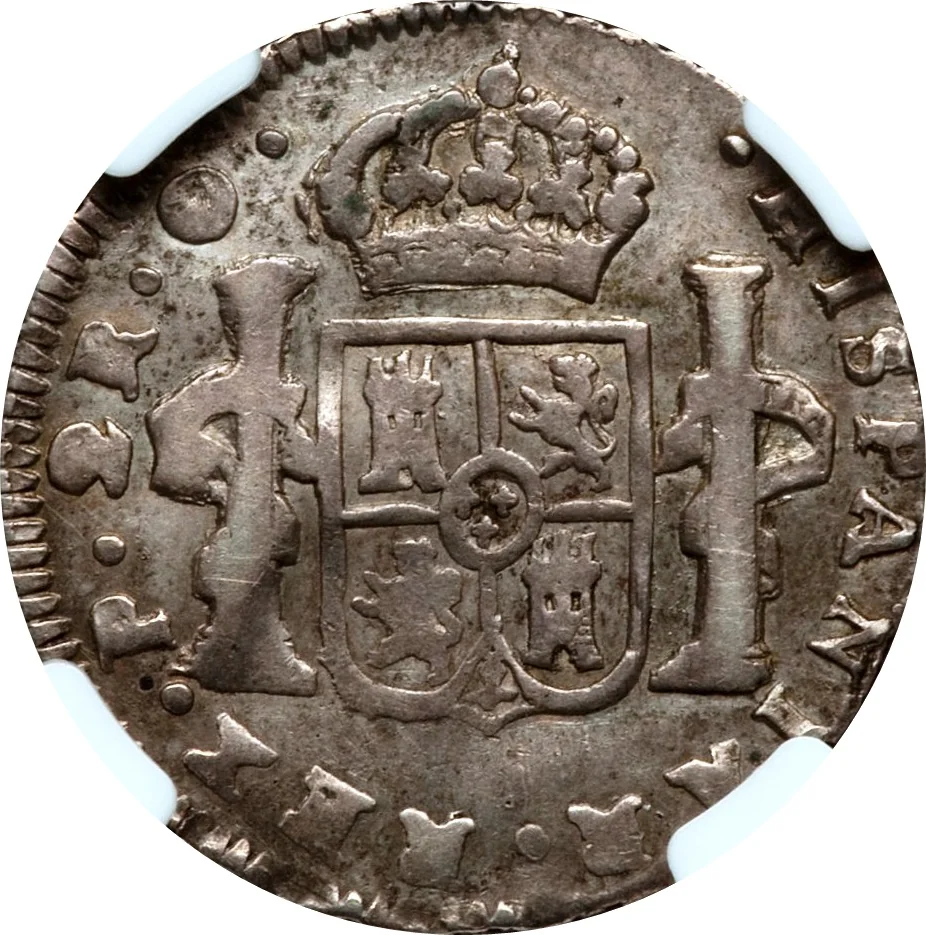
Reverse
Edge
Categories
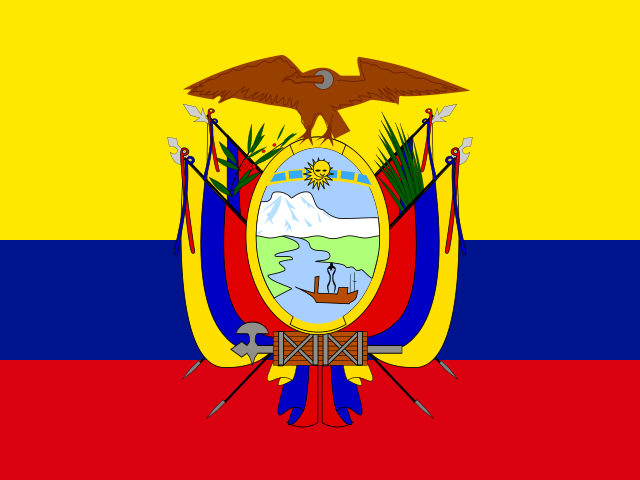
| Symbols> Coat of Arms |
Mintings
| Year | Mint Mark | Mintage | Quality | Collection |
|---|---|---|---|---|
| 1822 | P | — |
Historical background
Following its liberation from Spanish rule in 1822, Ecuador faced a complex and fragmented currency situation as it was integrated into Simón Bolívar’s Republic of Gran Colombia. The monetary system was a chaotic legacy of the colonial era, characterized by a severe shortage of official coinage. In daily circulation, the most common coins were worn Spanish colonial pieces, primarily silver reales and gold escudos, but their supply was insufficient for a functioning economy. This scarcity led to the widespread use of crude, locally minted counterstamped coins and even cut fragments of larger coins to make small change, creating a system rife with confusion and inefficiency.
The new government in Bogotá sought to impose order by introducing a unified Gran Colombian monetary system, based on a decimal standard with the peso divided into 10 reales. However, the practical implementation of this reform in the distant District of the South (Ecuador) was slow and incomplete. The old Spanish coins, valued by their precious metal content, remained the trusted medium of exchange for the populace, while the promised new national coinage was scarcely minted or circulated. This period was essentially one of monetary transition, where official policy clashed with entrenched custom and logistical reality.
Consequently, Ecuador’s economy in 1822 operated in a state of monetary duality. While legally part of a new national currency zone, the region practically relied on a depleted and heterogeneous mix of physical specie. This environment hindered commerce and state finances, as the lack of a reliable, standardized currency exacerbated post-war economic difficulties. The situation underscored the broader challenge of state-building: establishing monetary sovereignty and economic integration was a formidable task that would outlast the Gran Colombian union itself.
The new government in Bogotá sought to impose order by introducing a unified Gran Colombian monetary system, based on a decimal standard with the peso divided into 10 reales. However, the practical implementation of this reform in the distant District of the South (Ecuador) was slow and incomplete. The old Spanish coins, valued by their precious metal content, remained the trusted medium of exchange for the populace, while the promised new national coinage was scarcely minted or circulated. This period was essentially one of monetary transition, where official policy clashed with entrenched custom and logistical reality.
Consequently, Ecuador’s economy in 1822 operated in a state of monetary duality. While legally part of a new national currency zone, the region practically relied on a depleted and heterogeneous mix of physical specie. This environment hindered commerce and state finances, as the lack of a reliable, standardized currency exacerbated post-war economic difficulties. The situation underscored the broader challenge of state-building: establishing monetary sovereignty and economic integration was a formidable task that would outlast the Gran Colombian union itself.
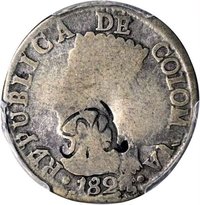
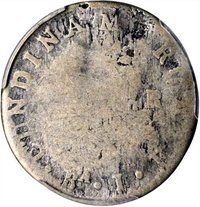
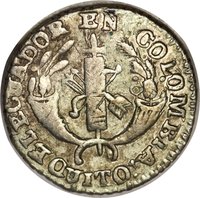
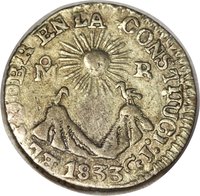
💎 Extremely Rare