

1 bu – Japan
Add to wishlist
Japan
Context
Material
Weight: 3.27 g
Gold Weight:: 1.83 g
Thickness: 0.06 mm
Shape: Rectangular
Composition: 56% Gold
Magnetic: No
Alignment: Medal alignment
flip
References
Numista: #403129
Value
Bullion value: $281.13
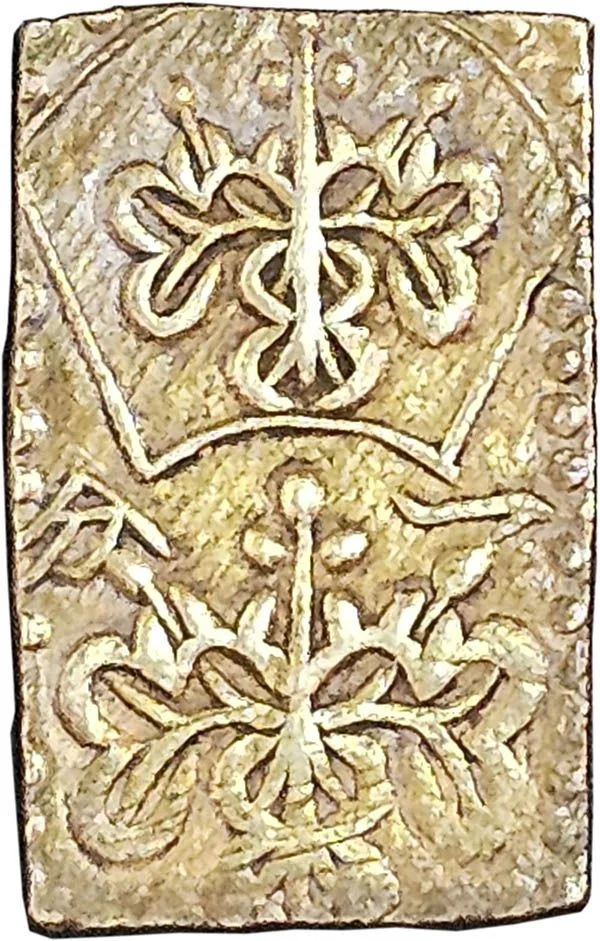
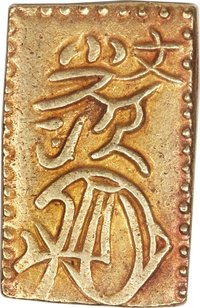
Obverse
Description:
Kiri crests above and below the central value.
Inscription:
分 一
Translation:
One Bu
Scripts: Chinese (traditional, regular script)
Language: Japanese
Engraver: Shozaburo Mitsutsugu
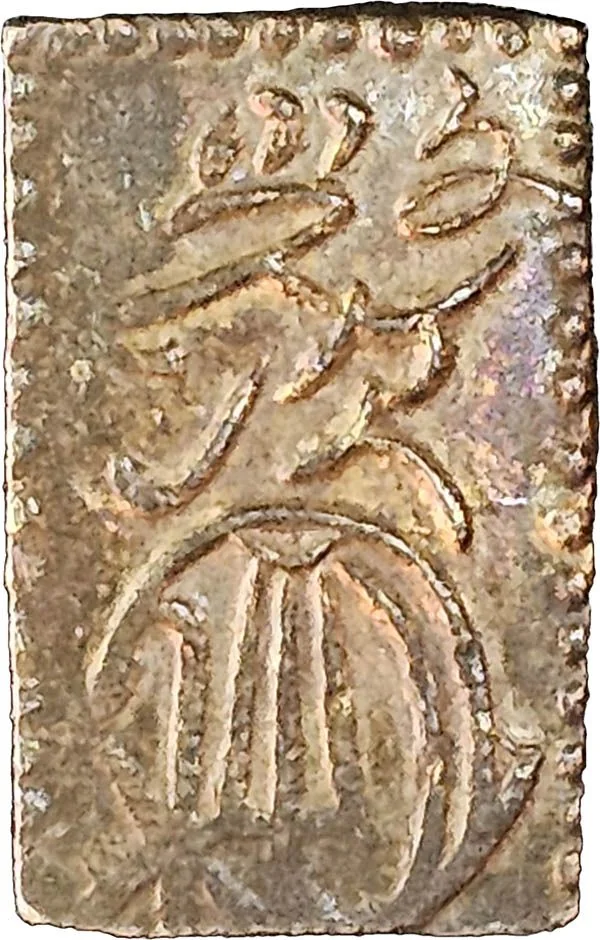
Reverse
Description:
The Mint Official and his signature.
Inscription:
文
光
次
光
次
Translation:
Civil and Military Affairs
Prosperity and Abundance
Prosperity and Abundance
Scripts: Chinese (traditional, grass script)
Language: Chinese
Engraver: Shozaburo Mitsutsugu
Edge
Mints
| Name | Mark |
|---|---|
| Kinza, Edo | — |
Mintings
| Year | Mint Mark | Mintage | Quality | Collection |
|---|---|---|---|---|
| — | — | — |
Historical background
In 1819, Japan’s currency system was a complex and troubled multi-metallic system operating under the Tokugawa shogunate’s policy of sakoku (national isolation). The economy officially ran on a tri-metallic standard of gold (koban), silver (chogin), and copper (zeni) coins, each with its own domains of use—gold for large lordly transactions, silver for regional trade, and copper for everyday purchases. However, the system was fragmented, with each of the over 250 feudal domains (han) also issuing their own low-denomination paper scrip (hansatsu), which was only valid within their own borders. This created a cumbersome financial landscape where exchange rates between metals and between domain notes were fluctuating and inefficient.
The fundamental problem was severe currency debasement. Facing persistent fiscal deficits, the shogunate repeatedly ordered the reminting of coins with reduced precious metal content, a practice known as aratame. The most significant had occurred in the 1690s and again in the early 1700s, but the economic consequences were long-lasting and acutely felt by 1819. The value of currency in circulation was depreciating, leading to price inflation, which hurt the samurai class on fixed stipends and the common populace. Meanwhile, the shogunate’s own treasury was drained, caught between the costs of maintaining the state and declining real revenue from agricultural taxes.
This unstable monetary environment was further strained by the rigid sakoku policy. While foreign trade was severely restricted to designated Dutch and Chinese merchants at Nagasaki, a persistent outflow of gold and copper to pay for imports like silk, sugar, and medicines created a chronic specie drain. By 1819, the shogunate was aware of these systemic weaknesses but was politically resistant to the radical reforms needed. The currency situation thus reflected the broader structural decline of the Tokugawa regime, contributing to social discontent and setting the stage for the tumultuous reforms that would follow in the coming decades.
The fundamental problem was severe currency debasement. Facing persistent fiscal deficits, the shogunate repeatedly ordered the reminting of coins with reduced precious metal content, a practice known as aratame. The most significant had occurred in the 1690s and again in the early 1700s, but the economic consequences were long-lasting and acutely felt by 1819. The value of currency in circulation was depreciating, leading to price inflation, which hurt the samurai class on fixed stipends and the common populace. Meanwhile, the shogunate’s own treasury was drained, caught between the costs of maintaining the state and declining real revenue from agricultural taxes.
This unstable monetary environment was further strained by the rigid sakoku policy. While foreign trade was severely restricted to designated Dutch and Chinese merchants at Nagasaki, a persistent outflow of gold and copper to pay for imports like silk, sugar, and medicines created a chronic specie drain. By 1819, the shogunate was aware of these systemic weaknesses but was politically resistant to the radical reforms needed. The currency situation thus reflected the broader structural decline of the Tokugawa regime, contributing to social discontent and setting the stage for the tumultuous reforms that would follow in the coming decades.

✨ Legendary