

3 pence – New Zealand
Add to wishlist
New Zealand
Context
Years: 1933–1936
Issuer: New Zealand
Ruler: George V
Currency:
(1840—1967)
Demonetized: Yes
Total mintage: 14,800,404
Material
References
KM: #
Numista: #4019
Value
Bullion value: $1.72
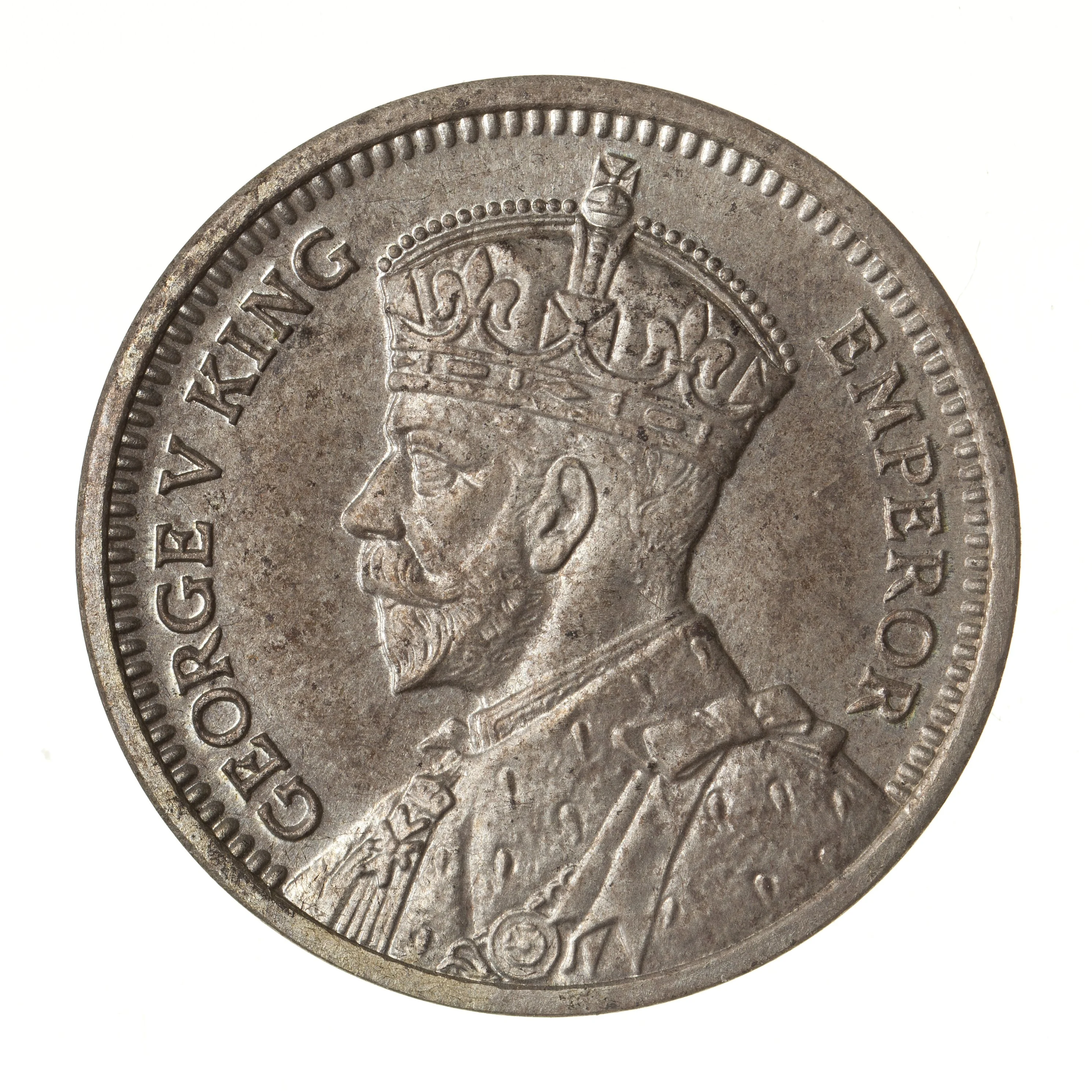
Obverse
Description:
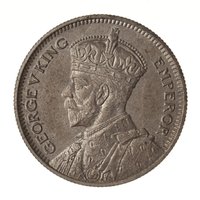
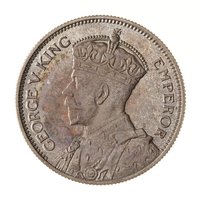
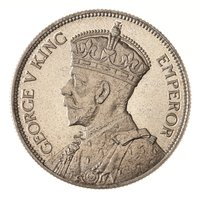
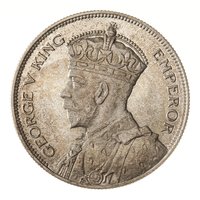
King George V left-facing crowned bust, surrounded by legend.
Inscription:
GEORGE V KING EMPEROR
Translation:
GEORGE V KING EMPEROR
Script: Latin
Language: English
Engraver: Percy Metcalfe
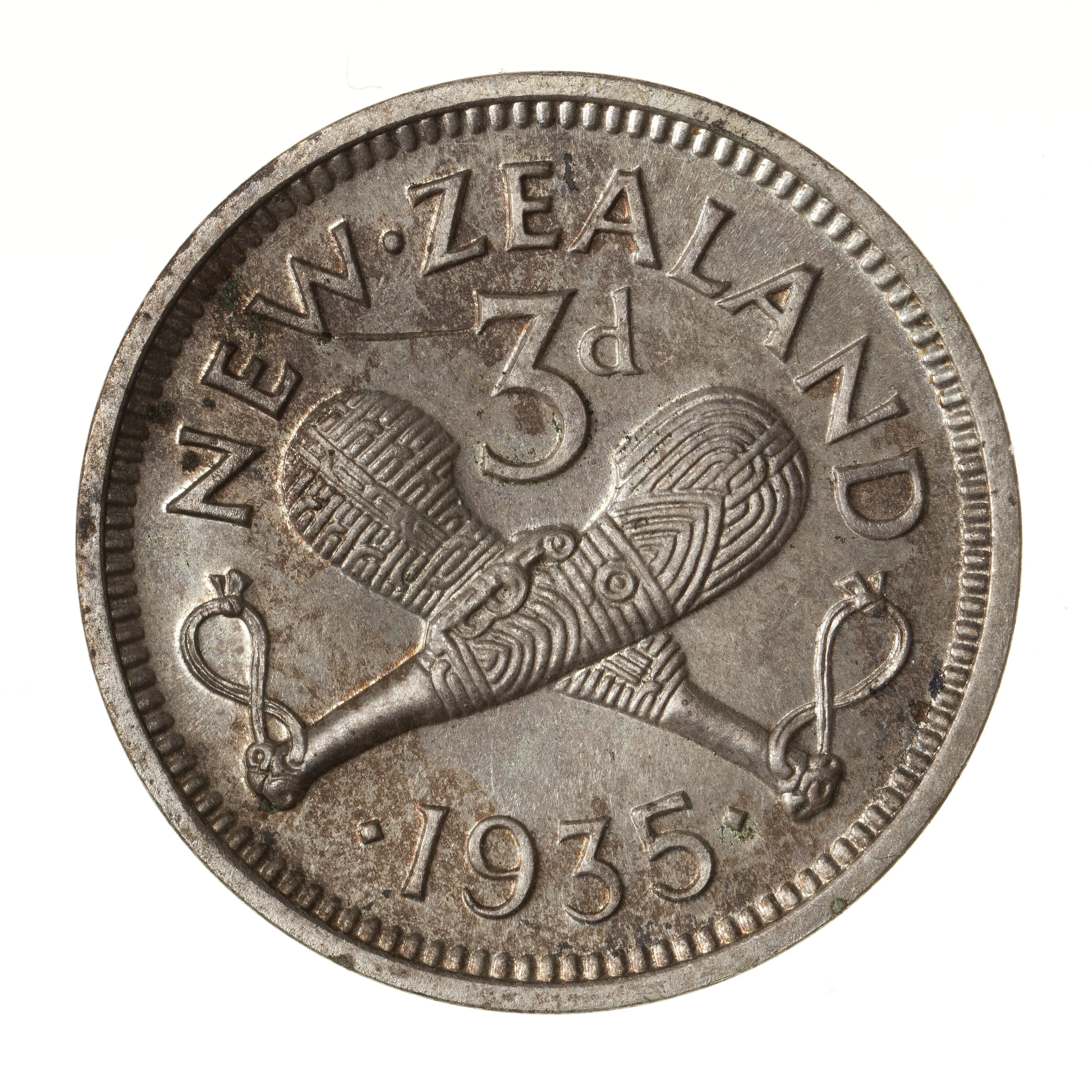
Reverse
Description:
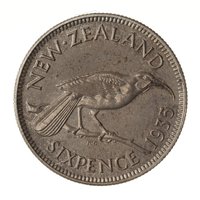
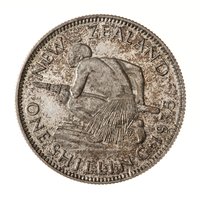
Two carved patu (Māori clubs) with legend and denomination above, date below.
Inscription:
NEW·ZEALAND
3d
·1934·
3d
·1934·
Script: Latin
Engraver: George Kruger Gray
Edge
Plain
Categories
| Object> Cold weapons |
Mints
| Name | Mark |
|---|---|
| Royal Mint (Tower Hill) | — |
Mintings
| Year | Mint Mark | Mintage | Quality | Collection |
|---|---|---|---|---|
| 1933 | — | 6,000,000 | ||
| 1933 | — | 20 | Proof | |
| 1934 | — | 20 | Proof | |
| 1934 | — | 6,000,000 | ||
| 1935 | — | 40,000 | ||
| 1935 | — | 364 | Proof | |
| 1936 | — | 2,760,000 | ||
| 1936 | — | — | Proof |
Historical background
In 1933, New Zealand's currency situation was defined by its response to the Great Depression and its enduring ties to the British monetary system. The country was part of the Sterling Area, with its currency, the New Zealand pound (NZ£), pegged at parity with the British pound sterling. This link provided stability but also meant that New Zealand's monetary policy was largely dictated by the Bank of England's decisions, limiting independent action to address domestic economic crises.
The primary challenge that year was severe deflation and a crippling lack of liquidity, which strangled the economy. In response, the newly elected coalition government, led by Prime Minister George Forbes and Finance Minister Gordon Coates, pursued unorthodox measures. Most significantly, in April 1933, the state-owned Reserve Bank of New Zealand was established, taking over note issue from the trading banks. This was a pivotal move towards state-controlled monetary policy, designed to manage currency and credit in the national interest rather than for private profit.
Concurrently, the government enacted the 1933 Reserve Bank Amendment Act, which authorized the central bank to engage in "credit creation." This allowed it to finance government stimulus programs by effectively printing money, a controversial step away from orthodox gold-standard principles. These funds were used for public works and mortgage relief, injecting liquidity into the economy. Thus, 1933 marked a decisive shift from a purely sterling-linked system to one where the state began to actively use currency and credit as tools for economic recovery, laying the groundwork for future financial sovereignty.
The primary challenge that year was severe deflation and a crippling lack of liquidity, which strangled the economy. In response, the newly elected coalition government, led by Prime Minister George Forbes and Finance Minister Gordon Coates, pursued unorthodox measures. Most significantly, in April 1933, the state-owned Reserve Bank of New Zealand was established, taking over note issue from the trading banks. This was a pivotal move towards state-controlled monetary policy, designed to manage currency and credit in the national interest rather than for private profit.
Concurrently, the government enacted the 1933 Reserve Bank Amendment Act, which authorized the central bank to engage in "credit creation." This allowed it to finance government stimulus programs by effectively printing money, a controversial step away from orthodox gold-standard principles. These funds were used for public works and mortgage relief, injecting liquidity into the economy. Thus, 1933 marked a decisive shift from a purely sterling-linked system to one where the state began to actively use currency and credit as tools for economic recovery, laying the groundwork for future financial sovereignty.
🌱 Very Common