

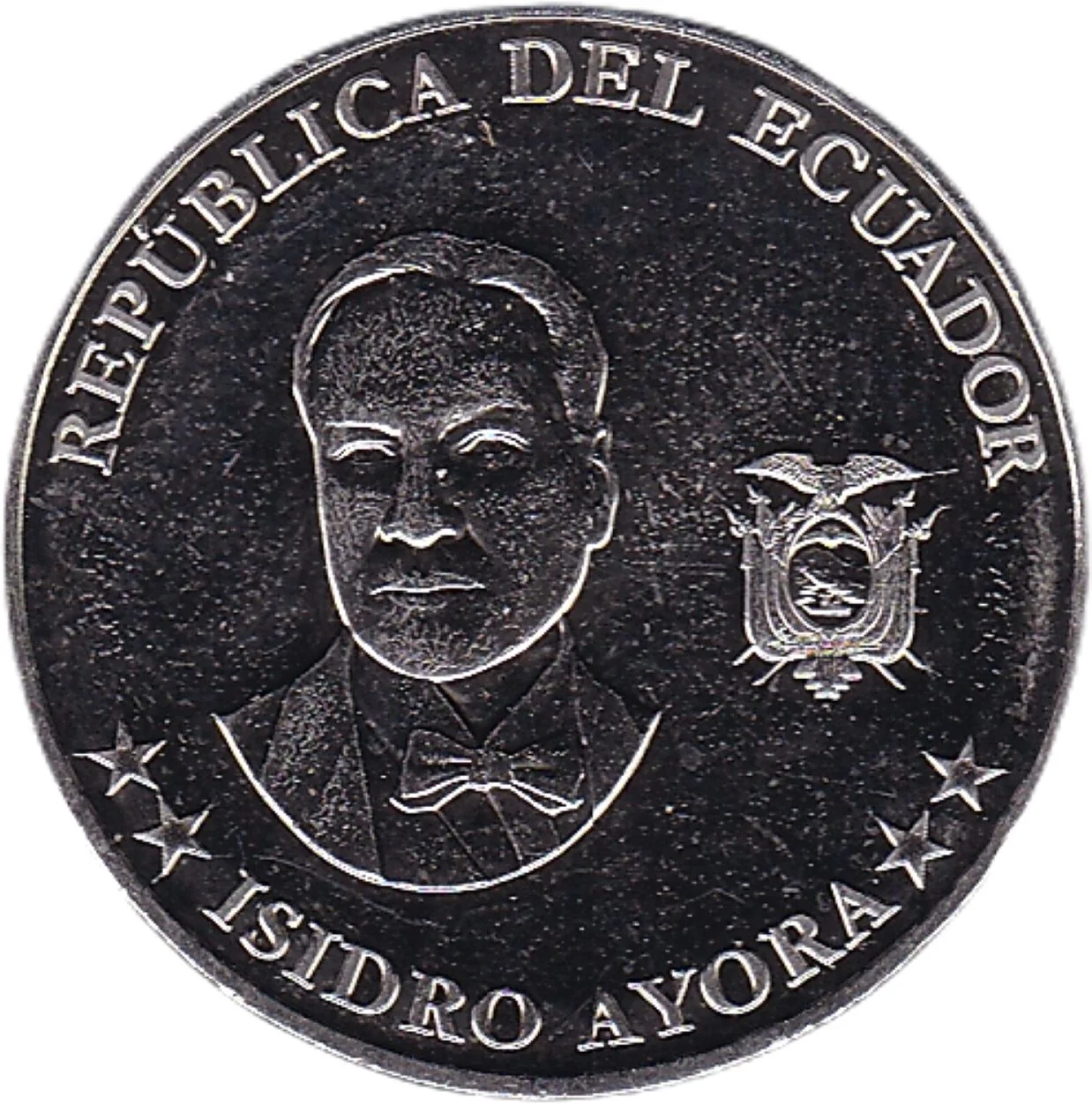
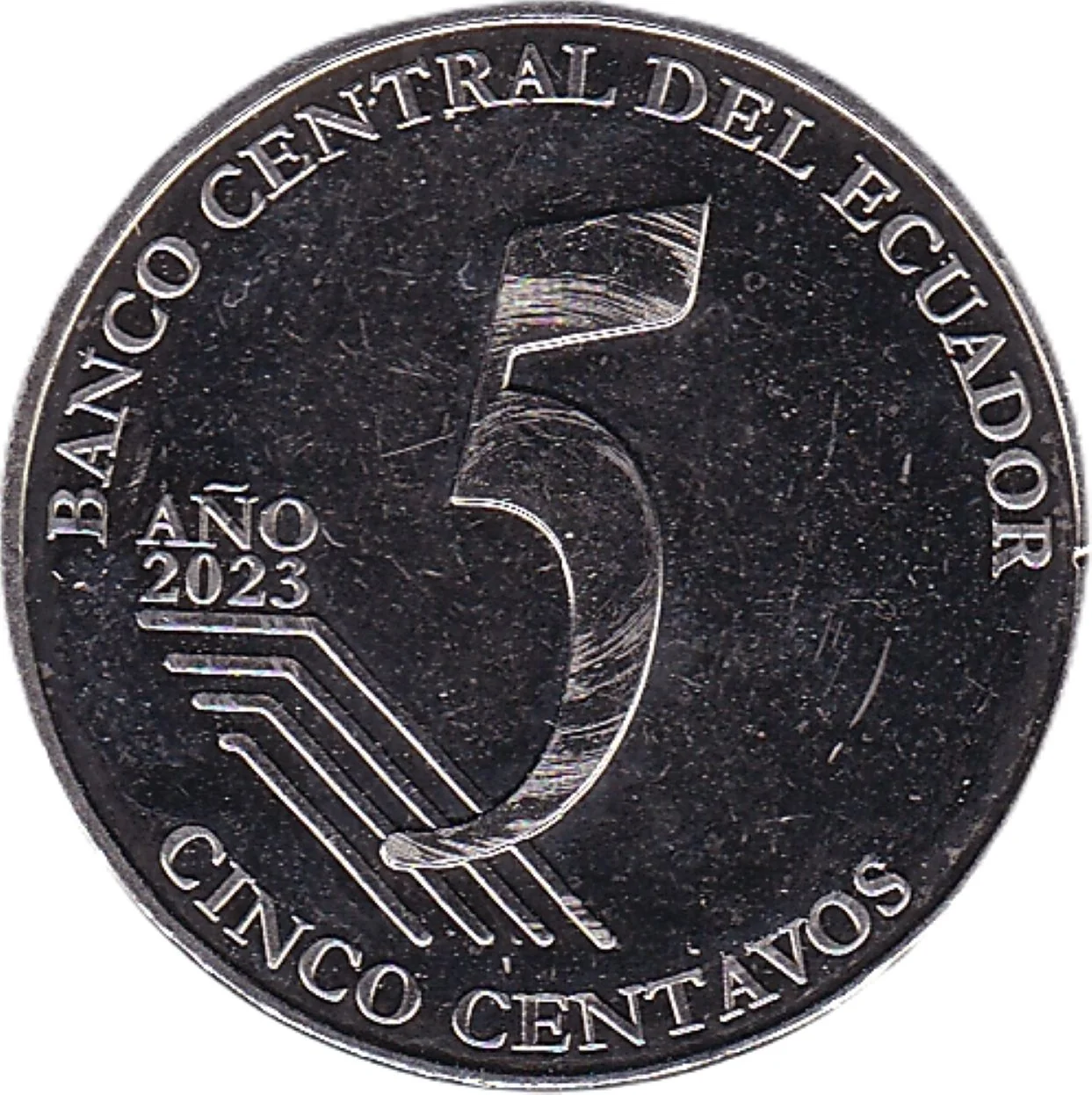
5 centavos – Ecuador
Add to wishlist
Ecuador
Context
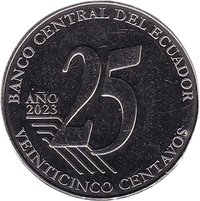
Year: 2023
Issuer: Ecuador
Issuing organization: Central Bank of Ecuador
Period:
(since 1830)
Currency:
(since 2000)
Material
Diameter: 21.2 mm
Weight: 4.95 g
Thickness: 1.9 mm
Shape: Round
Composition: Stainless steel
Technique: Milled
Alignment: Coin alignment
flip
References
KM: #
Numista: #392328
Value
Exchange value: 0.05 USD = $0.05
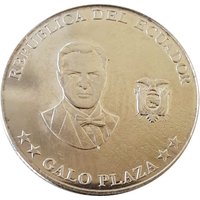
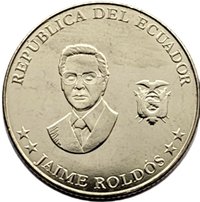
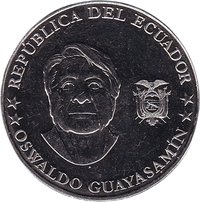
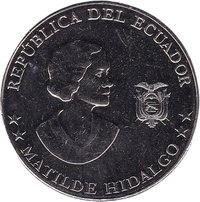
Obverse
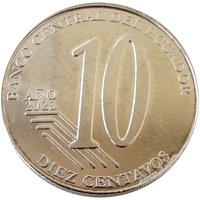
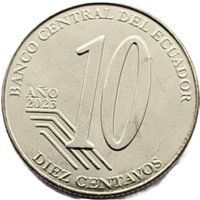
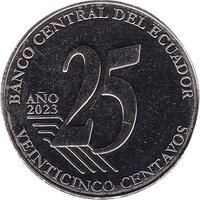
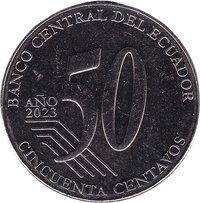
Reverse
Edge
Plain
Categories
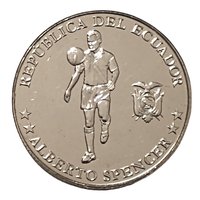
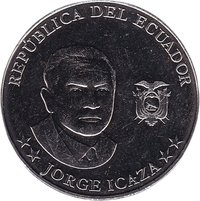
| Person> Politician |
| Symbols> Coat of Arms |
Mints
| Name | Mark |
|---|---|
| Royal Mint | — |
Mintings
| Year | Mint Mark | Mintage | Quality | Collection |
|---|---|---|---|---|
| 2023 | — | — |
Historical background
In 2023, Ecuador's currency situation remained defined by its unique adoption of the US dollar as its official tender, a policy implemented in 2000 to end hyperinflation and severe instability. This "dollarization" provides crucial macroeconomic stability by eliminating exchange rate risk and anchoring inflation, which has historically remained low and closely aligned with US rates. However, the system imposes significant constraints, as Ecuador lacks a sovereign monetary policy and cannot print money, ceding control over interest rates and liquidity to the US Federal Reserve.
The primary challenge in 2023 was financing dollar-denominated obligations without a central bank to act as a lender of last resort. The government relied heavily on external debt, international reserves, and fiscal policy to manage liquidity. Persistent fiscal deficits, exacerbated by low oil prices and expansive social spending, strained public finances and limited the state's ability to inject dollars into the economy during downturns. This contributed to a chronic shortage of physical US currency in circulation, particularly small-denomination bills and coins, a practical inconvenience for daily transactions.
Looking forward, the dollarization regime enjoys broad public support as a bulwark against past crises, and no serious political movement sought to abandon it in 2023. The economic debate instead focused on the necessary fiscal discipline and structural reforms—such as attracting foreign investment, boosting exports, and reducing reliance on oil revenues—required to sustain dollarization long-term. The system's survival continued to hinge on the government's ability to maintain fiscal credibility and access to international dollar markets, ensuring the economy remained sufficiently "dollarized" in practice, not just in law.
The primary challenge in 2023 was financing dollar-denominated obligations without a central bank to act as a lender of last resort. The government relied heavily on external debt, international reserves, and fiscal policy to manage liquidity. Persistent fiscal deficits, exacerbated by low oil prices and expansive social spending, strained public finances and limited the state's ability to inject dollars into the economy during downturns. This contributed to a chronic shortage of physical US currency in circulation, particularly small-denomination bills and coins, a practical inconvenience for daily transactions.
Looking forward, the dollarization regime enjoys broad public support as a bulwark against past crises, and no serious political movement sought to abandon it in 2023. The economic debate instead focused on the necessary fiscal discipline and structural reforms—such as attracting foreign investment, boosting exports, and reducing reliance on oil revenues—required to sustain dollarization long-term. The system's survival continued to hinge on the government's ability to maintain fiscal credibility and access to international dollar markets, ensuring the economy remained sufficiently "dollarized" in practice, not just in law.
Series: Ecuador Historical Figures

🌱 Fairly Common