

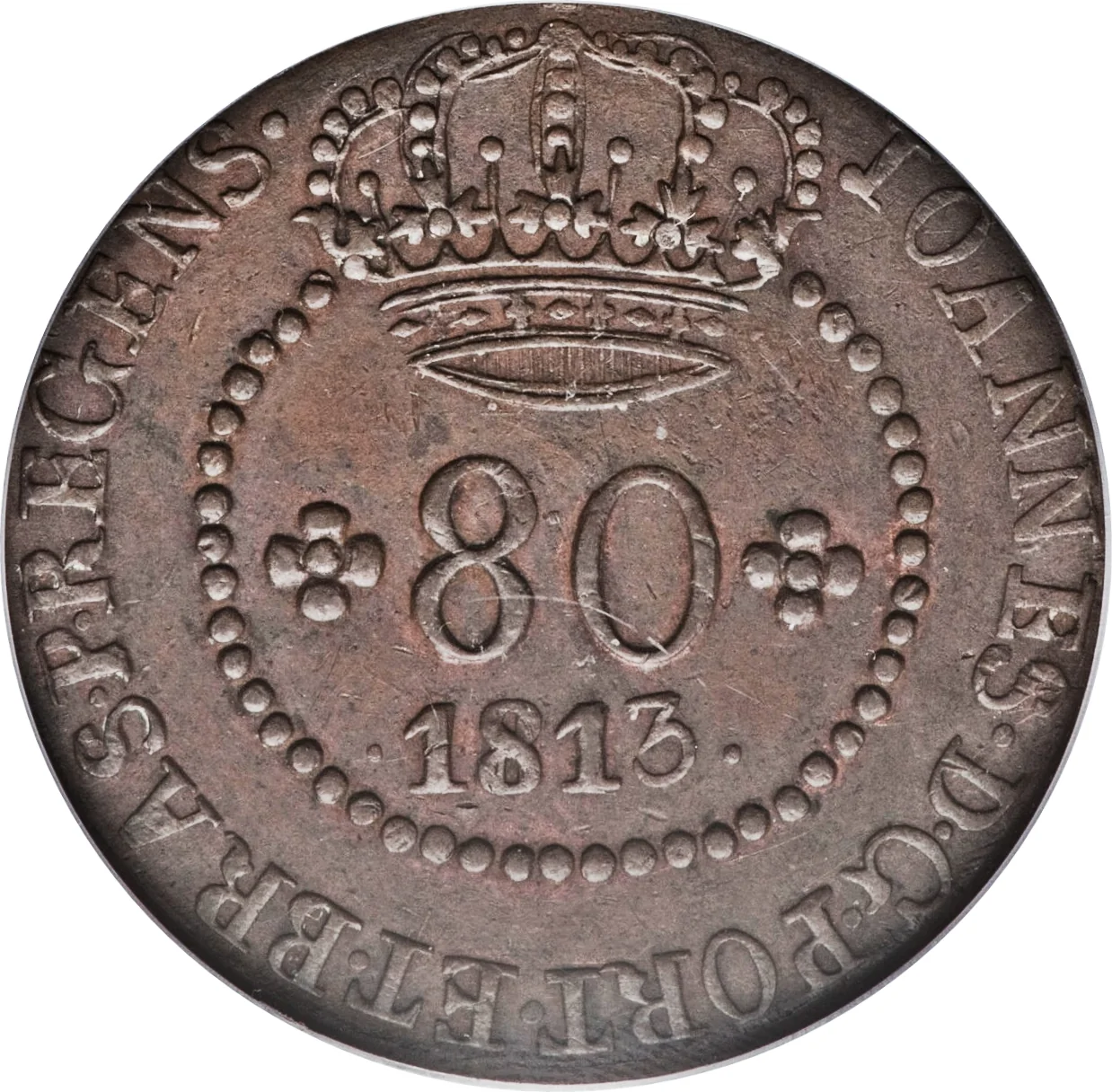
80 réis – São Tomé and Príncipe
Add to wishlist
Sao Tome and Principe
Context
Year: 1813
Country: Sao Tome and Principe
Issuer: São Tomé and Príncipe
Ruler: João
Currency:
(1799—1910)
Demonetized: Yes
Material
References
KM: #
Numista: #39182
Obverse
Description:
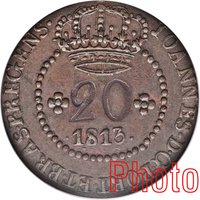
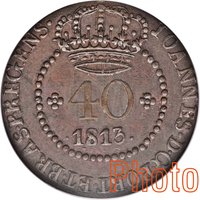
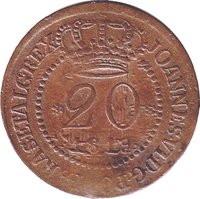
Value and date within crown. Legend encircles.
Inscription:
IOANNES.D.G.PORT.ET.BRAS.P.REGENT
80
1813
80
1813
Translation:
John, by the Grace of God, Prince Regent of Portugal and Brazil.
80
1813
80
1813
Script: Latin
Languages: Latin, Portuguese
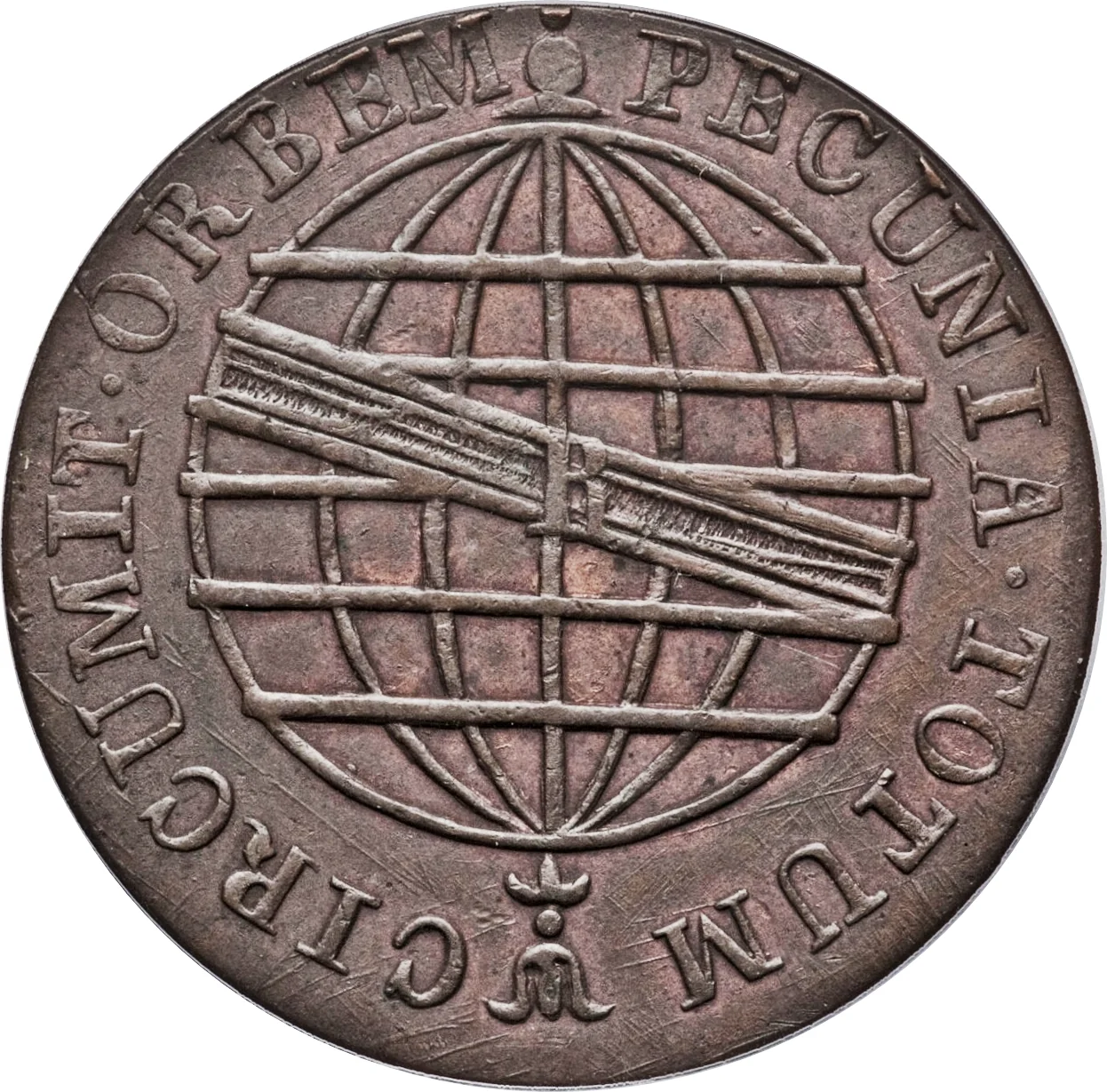
Reverse
Description:
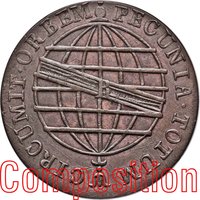
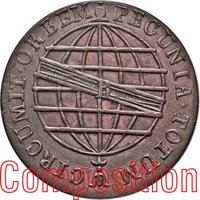
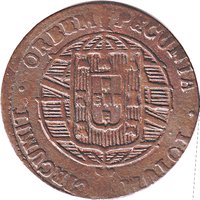
Armilar Sphere with mint "R" (Rio de Janeiro) at center.
Inscription:
PECUNIA.TOTUM__CIRCUMIT.ORBEM
"R"
"R"
Script: Latin
Edge
Plain
Categories
| Symbol> Armillary sphere |
| Symbol> Crown |
Mints
| Name | Mark |
|---|---|
| Casa da Moeda do Brasil | — |
Mintings
| Year | Mint Mark | Mintage | Quality | Collection |
|---|---|---|---|---|
| 1813 | R | — |
Historical background
In 1813, São Tomé and Príncipe remained under Portuguese colonial administration, and its currency situation was entirely subordinate to the economic system of the Portuguese Empire. The islands, dedicated primarily to sugar and later coffee cultivation using enslaved African labor, operated within a mercantilist framework. Transactions were dominated by the Portuguese Real as the official unit of account, though the physical circulation of coinage was often scarce and problematic. The local economy was essentially an extension of Lisbon's treasury, with wealth extracted through agricultural exports.
The actual coins in circulation were a practical mix, reflecting the archipelago's role in the Atlantic trade networks. Alongside worn Portuguese coins, Spanish-American silver pesos or "pieces of eight" were widely used due to their reliability and international acceptance in maritime commerce. Brazilian gold coins and even some French and English currencies might also be found, brought by traders and ships. This de facto multi-currency environment was common in port economies of the era, where the value of a coin was determined more by its metallic content and weight than by royal decree.
This monetary patchwork was underpinned by the brutal reality of a plantation slave society. The vast majority of the islands' inhabitants were enslaved Africans who were systematically excluded from the cash economy, operating largely through barter or receiving minimal allowances. Therefore, the "currency situation" was relevant primarily to the Portuguese planters, administrators, and merchants who profited from the export trade. The system’s instability and reliance on foreign coinage hinted at Portugal's own economic frailties, a situation that would persist until well after the abolition of slavery in the 1870s.
The actual coins in circulation were a practical mix, reflecting the archipelago's role in the Atlantic trade networks. Alongside worn Portuguese coins, Spanish-American silver pesos or "pieces of eight" were widely used due to their reliability and international acceptance in maritime commerce. Brazilian gold coins and even some French and English currencies might also be found, brought by traders and ships. This de facto multi-currency environment was common in port economies of the era, where the value of a coin was determined more by its metallic content and weight than by royal decree.
This monetary patchwork was underpinned by the brutal reality of a plantation slave society. The vast majority of the islands' inhabitants were enslaved Africans who were systematically excluded from the cash economy, operating largely through barter or receiving minimal allowances. Therefore, the "currency situation" was relevant primarily to the Portuguese planters, administrators, and merchants who profited from the export trade. The system’s instability and reliance on foreign coinage hinted at Portugal's own economic frailties, a situation that would persist until well after the abolition of slavery in the 1870s.
💎 Extremely Rare