

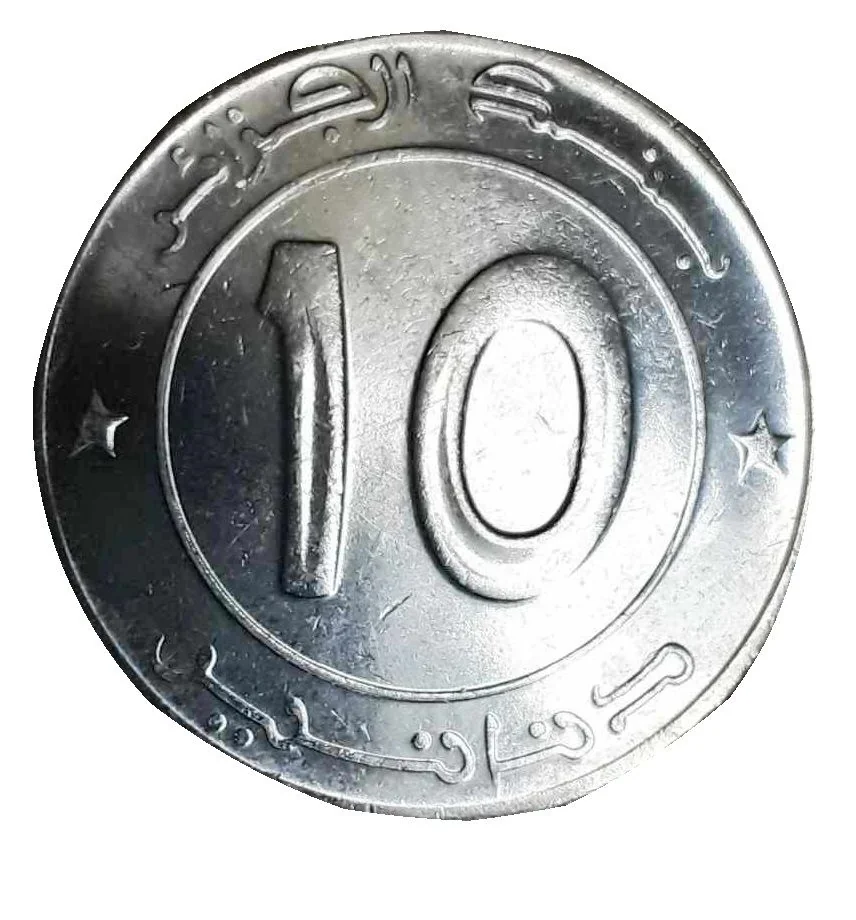
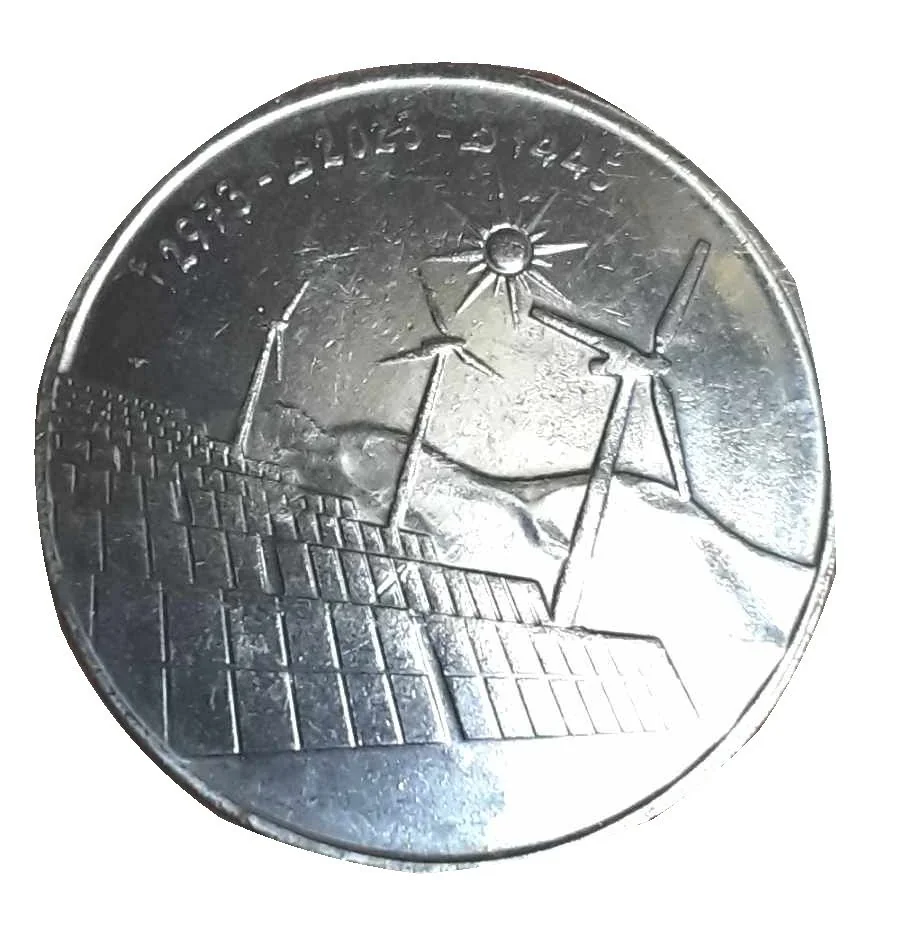
10 dinars – Algeria
Add to wishlist
Algeria
Context
Years: 2023–2025
Issuer: Algeria
Issuing organization: Bank of Algeria
Period:
(since 1962)
Currency:
(since 1964)
Material
Diameter: 26.5 mm
Weight: 7.1 g
Thickness: 1.9 mm
Shape: Round
Composition: Stainless steel (100% I)
Technique: Milled
Alignment: Coin alignment
flip
References
Numista: #391189
Value
Exchange value: 10 DZD
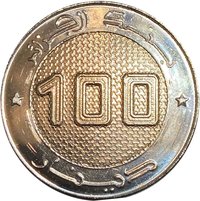
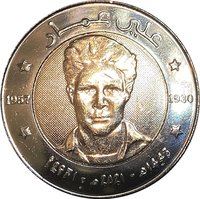
Obverse
Reverse
Edge
Plain
Mints
| Name | Mark |
|---|---|
| Algiers | — |
Mintings
| Year | Mint Mark | Mintage | Quality | Collection |
|---|---|---|---|---|
| 2023 | — | — | ||
| 2024 | — | — | ||
| 2024 | — | — | ||
| 2025 | — | — |
Historical background
In 2023, Algeria continued to grapple with a complex currency situation characterized by a heavily managed exchange rate and persistent foreign exchange (FX) scarcity. The official exchange rate was pegged at approximately 145 Algerian dinars (DZD) to the US dollar, a rate maintained by the central bank (Bank of Algeria) through strict capital controls and import restrictions. This official rate, however, stood in stark contrast to the parallel market rate, where the dinar traded at around 265 DZD per dollar, indicating a significant devaluation pressure and a lack of confidence in the official valuation. This wide gap created a two-tier economy, distorting trade and encouraging illicit currency flows.
The root causes of this situation were multifaceted, centered on Algeria's continued dependence on hydrocarbon exports, which account for over 90% of its total export earnings. While high global energy prices in 2022-2023 boosted the country's FX reserves and reduced its trade deficit, they also masked deeper structural issues. The non-hydrocarbon sector remained underdeveloped, leading to a high demand for imports (from consumer goods to industrial inputs) that put sustained pressure on the dinar. Authorities responded not with devaluation, but with a protectionist policy mix: reinforcing import bans on hundreds of goods, mandating a 30% local component in public procurement, and urging banks to prioritize FX for essential sectors.
Looking forward, the government's strategy in 2023 focused on import substitution and conserving reserves rather than pursuing liberalization. While this approach stabilized official reserves, it did little to unify the exchange rates or address the fundamental lack of export diversification. Economists widely argued that without meaningful reforms to attract foreign investment and develop competitive domestic industries, the underlying pressures on the dinar would persist. The currency situation thus remained a key indicator of Algeria's broader economic challenges, balancing short-term stability against the long-term need for structural change.
The root causes of this situation were multifaceted, centered on Algeria's continued dependence on hydrocarbon exports, which account for over 90% of its total export earnings. While high global energy prices in 2022-2023 boosted the country's FX reserves and reduced its trade deficit, they also masked deeper structural issues. The non-hydrocarbon sector remained underdeveloped, leading to a high demand for imports (from consumer goods to industrial inputs) that put sustained pressure on the dinar. Authorities responded not with devaluation, but with a protectionist policy mix: reinforcing import bans on hundreds of goods, mandating a 30% local component in public procurement, and urging banks to prioritize FX for essential sectors.
Looking forward, the government's strategy in 2023 focused on import substitution and conserving reserves rather than pursuing liberalization. While this approach stabilized official reserves, it did little to unify the exchange rates or address the fundamental lack of export diversification. Economists widely argued that without meaningful reforms to attract foreign investment and develop competitive domestic industries, the underlying pressures on the dinar would persist. The currency situation thus remained a key indicator of Algeria's broader economic challenges, balancing short-term stability against the long-term need for structural change.
🌱 Fairly Common