

1 rial – Mutawakkilite Kingdom
Add to wishlist
Yemen
Context
Years: 1948–1962
Country: Yemen
Issuer: Mutawakkilite Kingdom
Ruler: Ahmad bin Yahya
Currency:
(1918—1974)
Demonetized: Yes
Material
References
Y: #
Numista: #39070
Value
Bullion value: $70.16
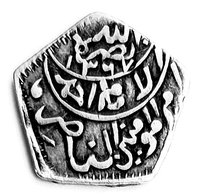
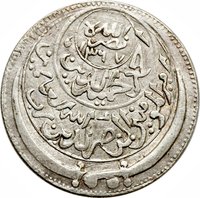
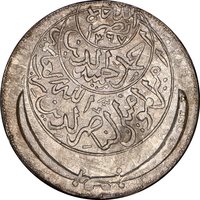
Obverse
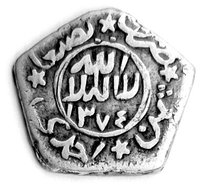
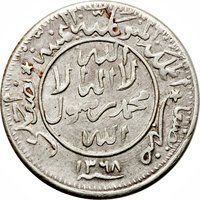
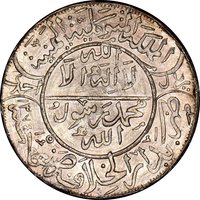
Reverse
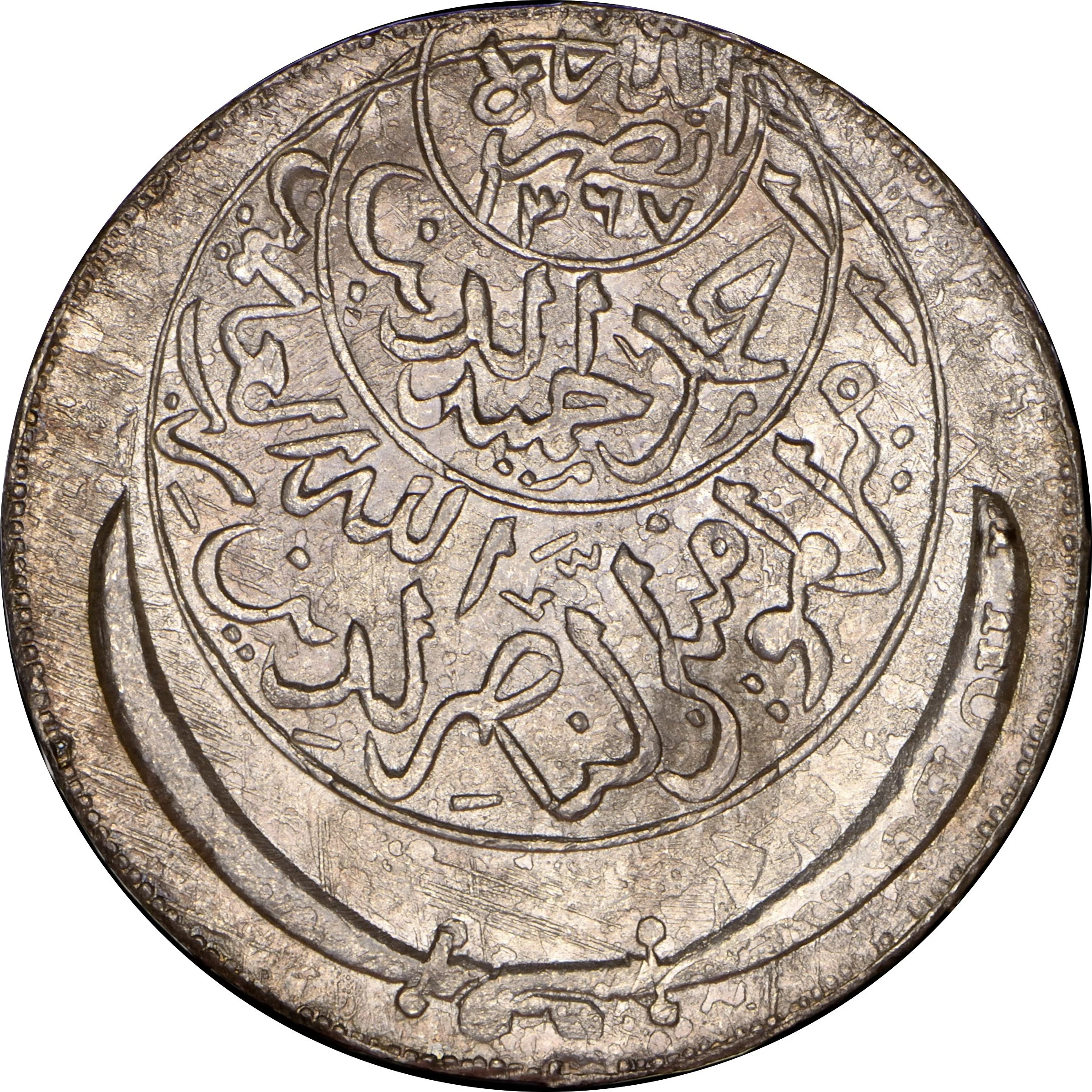
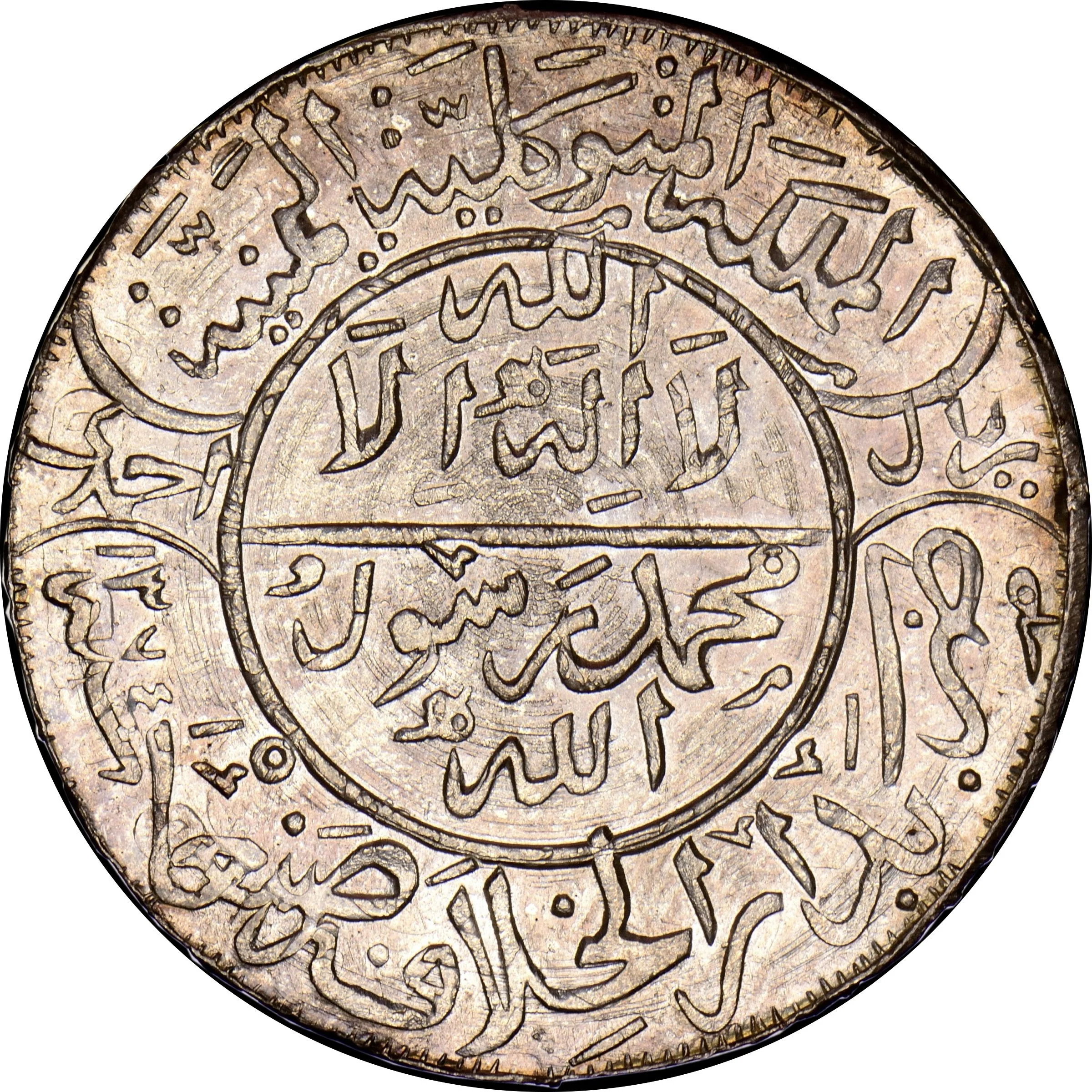
Inscription:
المملكة المتوكلية اليمنية
ريال احمادي
لا اله الا الله
محمد رسول الله
ضرب في دار الخلافة صنعا ١٣٧٥
ريال احمادي
لا اله الا الله
محمد رسول الله
ضرب في دار الخلافة صنعا ١٣٧٥
Translation:
The Mutawakkilite Kingdom of Yemen
Ahmadi Riyal
There is no god but God
Muhammad is the Messenger of God
Struck in the Seat of the Caliphate, Sana'a 1375
Ahmadi Riyal
There is no god but God
Muhammad is the Messenger of God
Struck in the Seat of the Caliphate, Sana'a 1375
Script: Arabic
Language: Arabic
Edge
Categories
| Object> Cold weapons |
Mintings
| Year | Mint Mark | Mintage | Quality | Collection |
|---|---|---|---|---|
| 1948 | — | — | ||
| 1951 | — | — | ||
| 1952 | — | — | ||
| 1953 | — | — | ||
| 1954 | — | — | ||
| 1955 | — | — | ||
| 1956 | — | — | ||
| 1958 | — | — | ||
| 1959 | — | — | ||
| 1961 | — | — | ||
| 1962 | — | — |
Historical background
In 1948, the Mutawakkilite Kingdom of Yemen remained one of the most isolated and traditional states in the Middle East, and its currency situation reflected this insularity. The nation operated without a central bank or a formal, unified national currency system. The primary medium of exchange was the Maria Theresa thaler (MT$), a large silver coin first minted in the 18th century. This iconic coin, valued for its consistent silver content and wide recognition, circulated alongside a variety of other silver and copper coins, including Ottoman and British Indian rupees, as well as locally struck imitations.
This monetary landscape was characterized by fragmentation and complexity. Transactions, particularly outside major trade centers, often relied on barter. Where coins were used, their value was determined by weight and silver purity rather than a state-decreed face value, leading to variability and the need for expert money-changers. The ruling Imam, Yahya Hamid ed-Din, maintained a conservative economic policy, distrusting foreign financial influence and paper money, which he viewed as unstable and un-Islamic. Consequently, the state's revenue, largely from taxes and customs duties, was physically stored as bullion and coin in the palace treasury.
The year 1948 was one of profound political upheaval, ending with the assassination of Imam Yahya and a brief civil war. This instability further complicated the currency situation, disrupting trade and highlighting the system's vulnerabilities. While the eventual victor, Imam Ahmad, would continue his father's conservative policies, the events of 1948 underscored the kingdom's growing disconnect from a modernizing world. The continued reliance on the Maria Theresa thaler symbolized both the regime's traditionalism and the pressing need for economic modernization, a tension that would persist until the revolution of 1962.
This monetary landscape was characterized by fragmentation and complexity. Transactions, particularly outside major trade centers, often relied on barter. Where coins were used, their value was determined by weight and silver purity rather than a state-decreed face value, leading to variability and the need for expert money-changers. The ruling Imam, Yahya Hamid ed-Din, maintained a conservative economic policy, distrusting foreign financial influence and paper money, which he viewed as unstable and un-Islamic. Consequently, the state's revenue, largely from taxes and customs duties, was physically stored as bullion and coin in the palace treasury.
The year 1948 was one of profound political upheaval, ending with the assassination of Imam Yahya and a brief civil war. This instability further complicated the currency situation, disrupting trade and highlighting the system's vulnerabilities. While the eventual victor, Imam Ahmad, would continue his father's conservative policies, the events of 1948 underscored the kingdom's growing disconnect from a modernizing world. The continued reliance on the Maria Theresa thaler symbolized both the regime's traditionalism and the pressing need for economic modernization, a tension that would persist until the revolution of 1962.
⭐ Rare