

2 skilling – Norway
Add to wishlist
Norway
Context
Years: 1870–1871
Issuer: Norway
Ruler: Charles IV
Currency:
(1816—1875)
Demonetized: Yes
Total mintage: 1,800,000
Material
References
KM: #
Numista: #38996
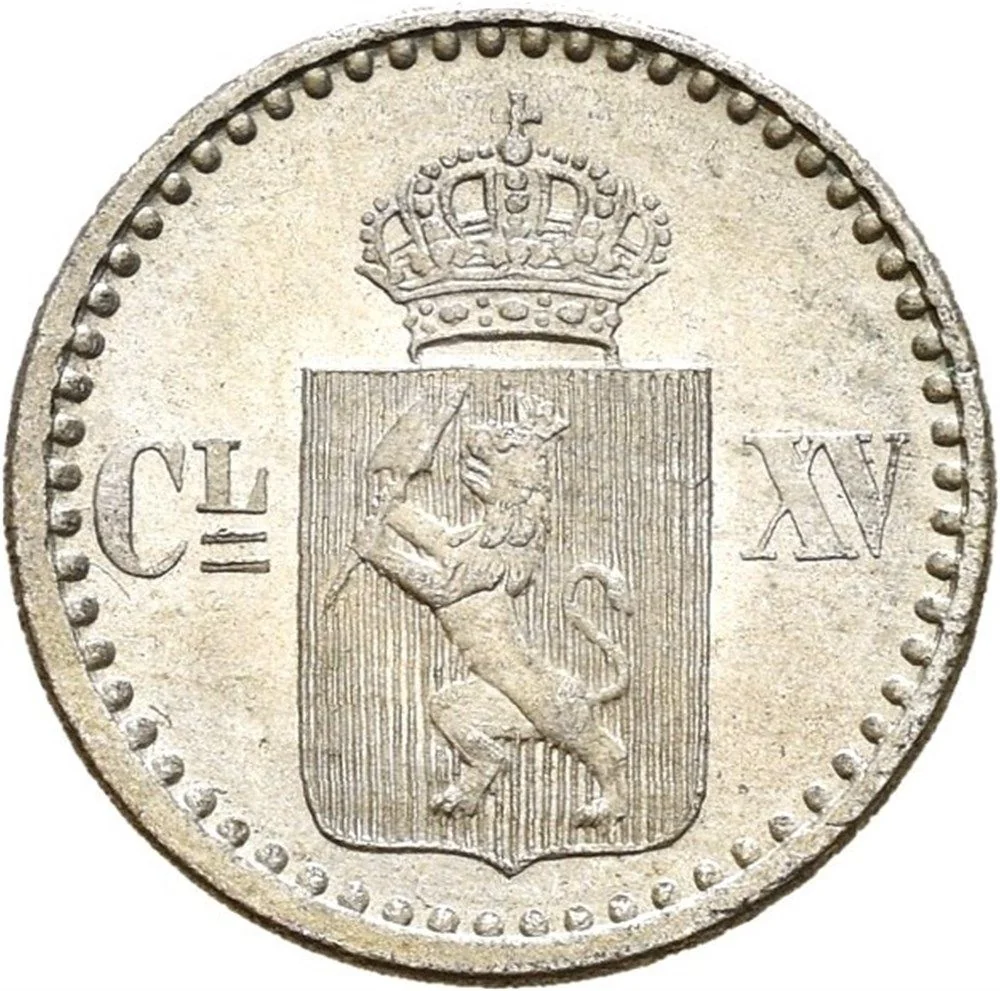
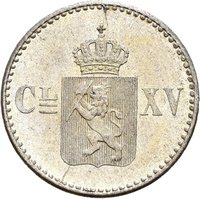
Obverse
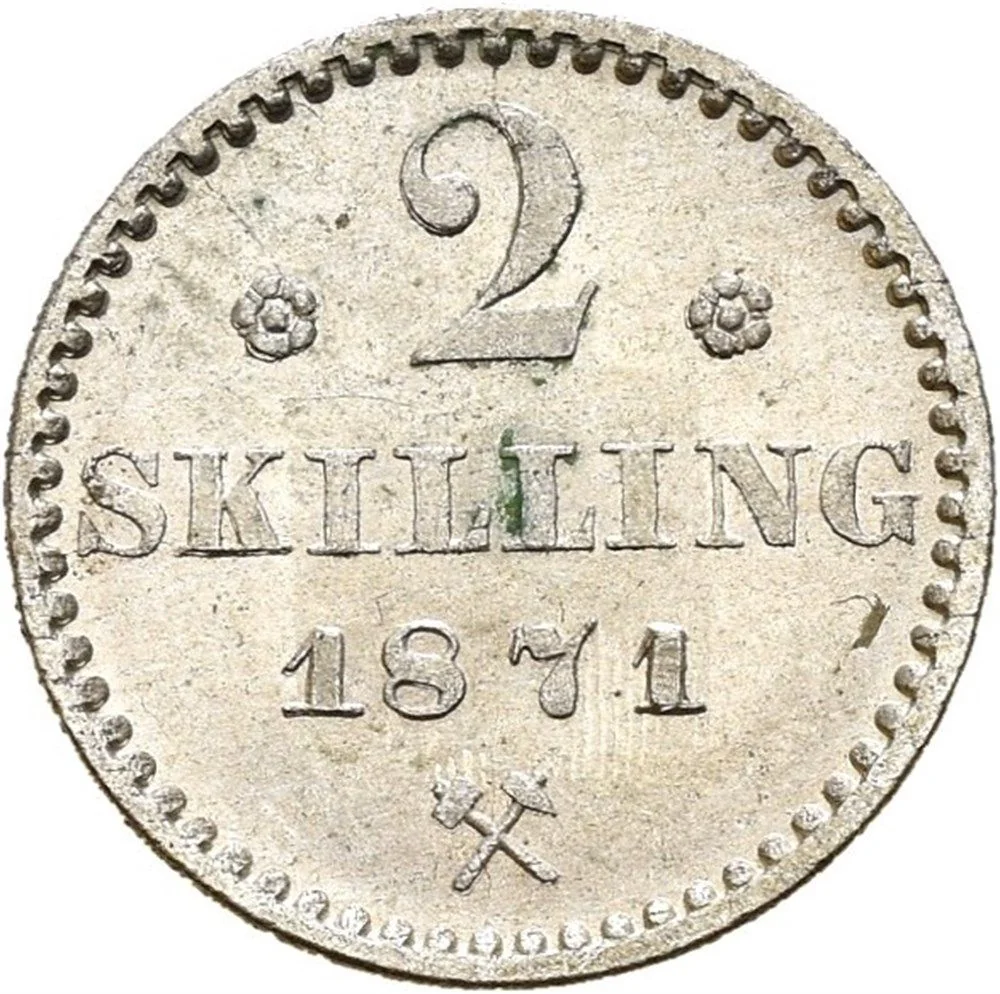
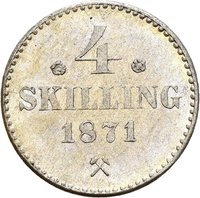
Reverse
Description:
Value and date stacked.
Mintmark below date.
Beaded rim border.
Mintmark below date.
Beaded rim border.
Inscription:
🏵2🏵
SKILLING
1871
⚒
SKILLING
1871
⚒
Script: Latin
Edge
Mints
| Name | Mark |
|---|---|
| Norwegian Mint | — |
Mintings
| Year | Mint Mark | Mintage | Quality | Collection |
|---|---|---|---|---|
| 1870 | — | 900,000 | ||
| 1871 | — | 900,000 |
Historical background
In 1870, Norway’s currency system was in a state of transition, formally part of the Scandinavian Monetary Union (SMU) established with Sweden and Denmark in 1873. Prior to this union, Norway used the speciedaler, a silver-based currency divided into 120 skilling. However, the international shift towards the gold standard and the economic benefits of a unified currency with its main trading partners drove Norway to join the SMU. The core principle was the adoption of a common gold standard, with the new Norwegian krone (crown), subdivided into 100 øre, replacing the old system.
Despite the formal agreement in 1873, the full implementation was not immediate. The period around 1870 was therefore one of preparation and legislative groundwork. The Norwegian Parliament (Stortinget) passed the necessary laws to adopt the gold standard and mint the new currency, with the first Norwegian gold coins being struck in 1874. The krone was pegged to gold at a fixed rate, and the union guaranteed that the gold and subsidiary coins of all three member nations would circulate freely and be accepted at par within their borders, facilitating trade and travel.
The context of 1870 was also defined by broader European economic pressures. The discovery of large silver deposits had caused the value of silver to fall relative to gold, making the silver-based speciedaler increasingly unstable for international commerce. By committing to the gold standard through the SMU, Norway sought monetary stability, greater integration into the European financial system, and enhanced credibility for its economy. Thus, 1870 represents the pivotal final years of the old silver currency, with the country on the cusp of a modern, unified monetary system that would define its financial landscape for decades.
Despite the formal agreement in 1873, the full implementation was not immediate. The period around 1870 was therefore one of preparation and legislative groundwork. The Norwegian Parliament (Stortinget) passed the necessary laws to adopt the gold standard and mint the new currency, with the first Norwegian gold coins being struck in 1874. The krone was pegged to gold at a fixed rate, and the union guaranteed that the gold and subsidiary coins of all three member nations would circulate freely and be accepted at par within their borders, facilitating trade and travel.
The context of 1870 was also defined by broader European economic pressures. The discovery of large silver deposits had caused the value of silver to fall relative to gold, making the silver-based speciedaler increasingly unstable for international commerce. By committing to the gold standard through the SMU, Norway sought monetary stability, greater integration into the European financial system, and enhanced credibility for its economy. Thus, 1870 represents the pivotal final years of the old silver currency, with the country on the cusp of a modern, unified monetary system that would define its financial landscape for decades.
🌟 Uncommon