

500 dram (Armenian dram) – Armenia
Add to wishlist
Circulating commemorative coins
Commemoration: 30th Anniversary of the Armenian dram
Armenia

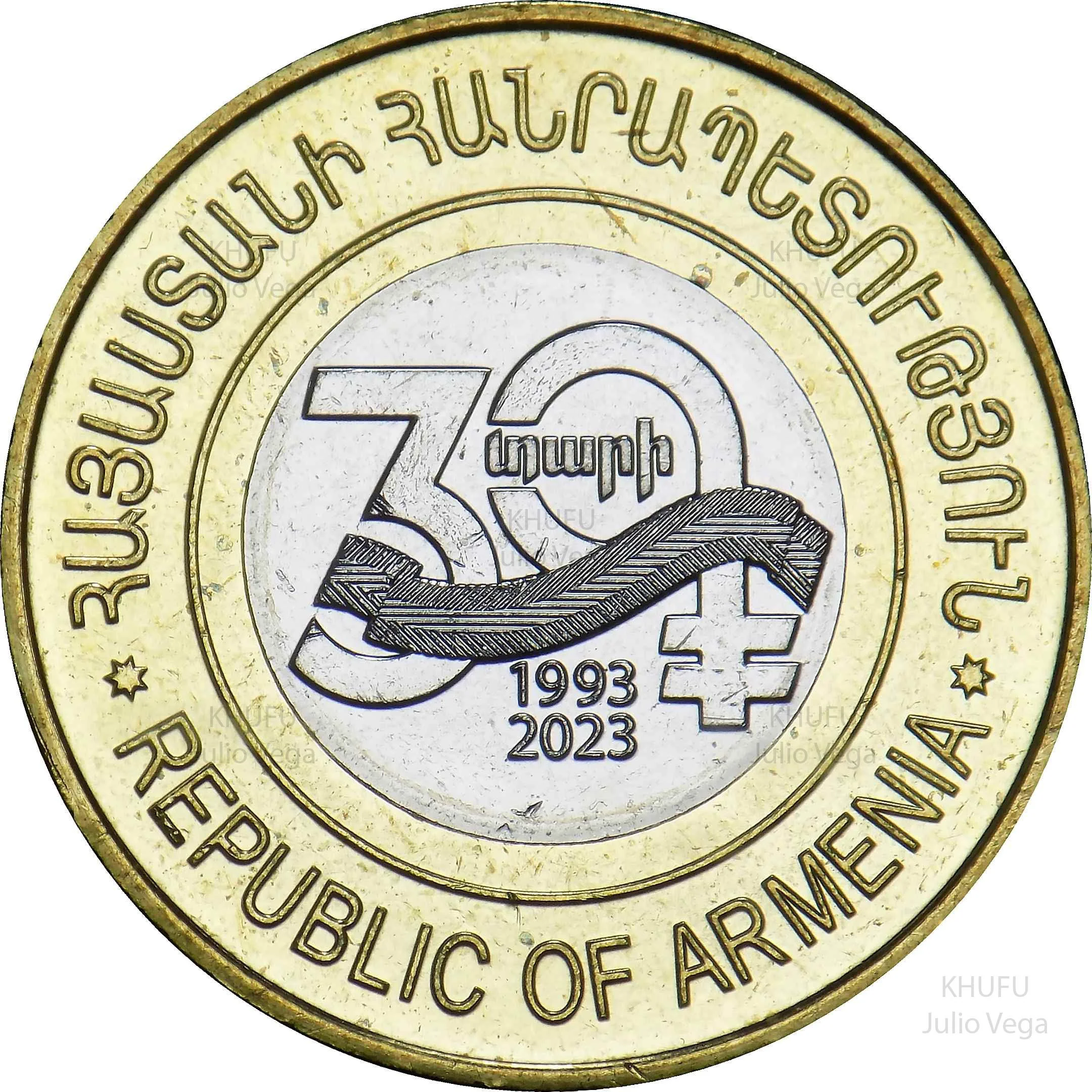
Obverse
Description:
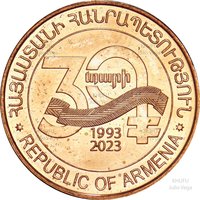
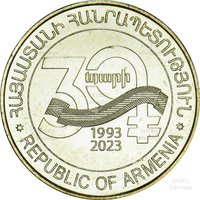
"30" with the Armenian dram sign.
Inscription:
ՀԱՅԱՍՏԱՆԻ ՀԱՆՐԱՊԵՏՈՒԹՅՈՒՆ
3֏
1993
2023
REPUBLIC OF ARMENIA
3֏
1993
2023
REPUBLIC OF ARMENIA
Translation:
REPUBLIC OF ARMENIA
3 DRAM
1993
2023
REPUBLIC OF ARMENIA
3 DRAM
1993
2023
REPUBLIC OF ARMENIA
Language: Armenian
Designer: Vardan Vardanyan
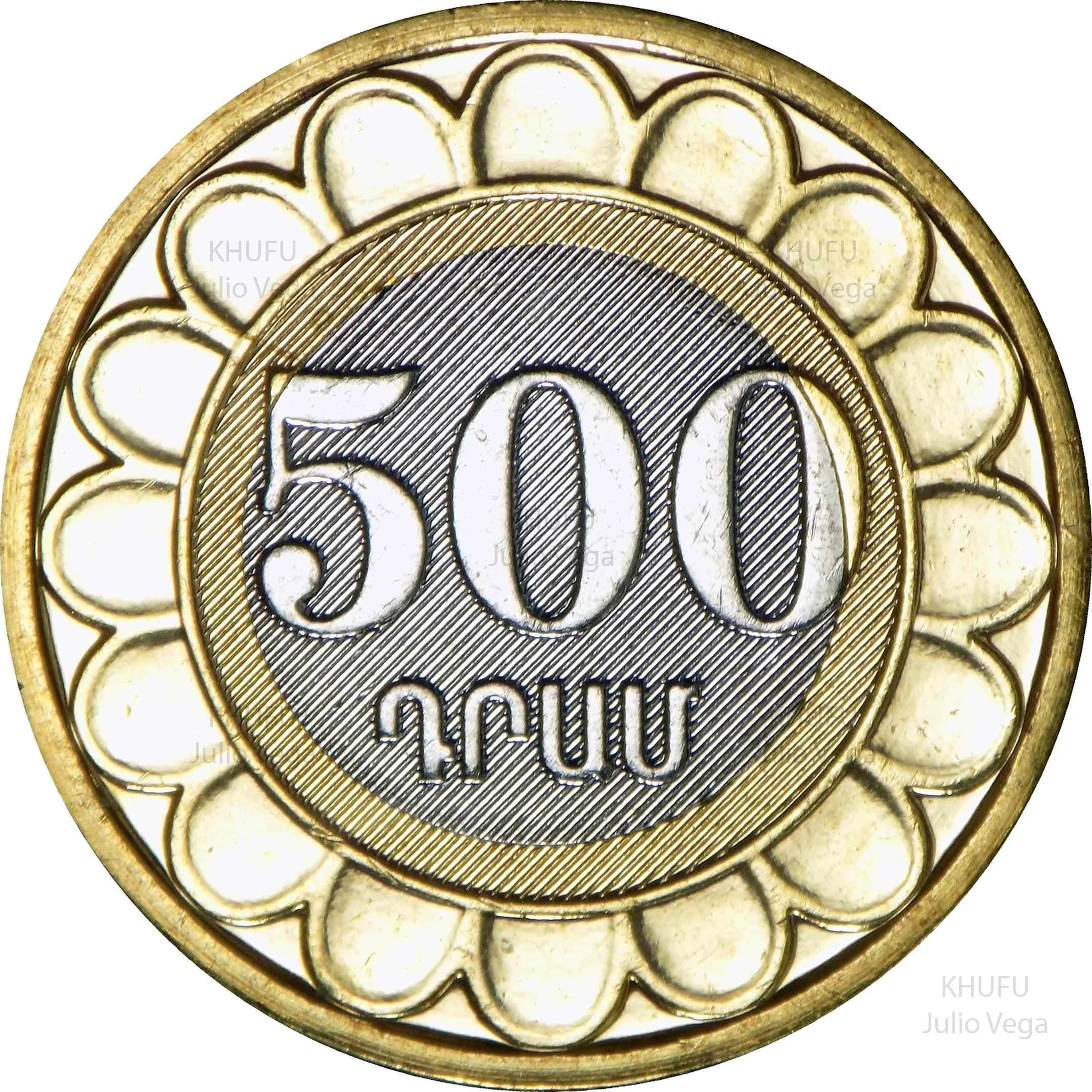
Reverse
Description:
Denomination
Inscription:
500
ԴՐԱՄ
ԴՐԱՄ
Translation:
Dram 500
Script: Armenian
Language: Armenian
Designer: Karapet Abrahamyan
Edge
Segmented reeding
Mints
| Name | Mark |
|---|---|
| Royal Mint | — |
Mintings
| Year | Mint Mark | Mintage | Quality | Collection |
|---|---|---|---|---|
| 2023 | — | — |
Historical background
In 2023, Armenia's currency, the dram (AMD), experienced a period of significant and sustained appreciation against major foreign currencies, particularly the US dollar and Russian ruble. This trend, which began in mid-2022, continued through much of the year, with the dram reaching its strongest level in over a decade. The primary drivers were substantial external inflows, including increased foreign direct investment, heightened money transfers from Russians relocating to Armenia, and expanded export revenues. This created an excess supply of foreign currency within the country, pushing the dram's value higher.
The strong dram presented a complex economic picture with clear winners and losers. On the positive side, it helped curb inflation by making imports cheaper, including essential goods like fuel and food. It also reduced the cost of servicing foreign currency-denominated debt. However, it posed a serious challenge to the crucial export sector and domestic industries competing with imports, as their goods became more expensive for foreign buyers and less competitive against now-cheaper imported products. This raised concerns from businesses, particularly in agriculture and manufacturing, about profitability and long-term viability.
In response, the Central Bank of Armenia (CBA) intervened cautiously. While generally maintaining a floating exchange rate policy, it engaged in periodic market interventions to purchase excess foreign currency, building up international reserves to record levels in an effort to moderate the appreciation pace. The CBA also lowered its key policy rate several times during the year, partly to make dram-denominated assets less attractive and ease appreciation pressures. The situation remained a central topic of economic debate, balancing macroeconomic stability against the need to protect key sectors of the real economy.
The strong dram presented a complex economic picture with clear winners and losers. On the positive side, it helped curb inflation by making imports cheaper, including essential goods like fuel and food. It also reduced the cost of servicing foreign currency-denominated debt. However, it posed a serious challenge to the crucial export sector and domestic industries competing with imports, as their goods became more expensive for foreign buyers and less competitive against now-cheaper imported products. This raised concerns from businesses, particularly in agriculture and manufacturing, about profitability and long-term viability.
In response, the Central Bank of Armenia (CBA) intervened cautiously. While generally maintaining a floating exchange rate policy, it engaged in periodic market interventions to purchase excess foreign currency, building up international reserves to record levels in an effort to moderate the appreciation pace. The CBA also lowered its key policy rate several times during the year, partly to make dram-denominated assets less attractive and ease appreciation pressures. The situation remained a central topic of economic debate, balancing macroeconomic stability against the need to protect key sectors of the real economy.





🌱 Fairly Common