

¼ noble – Isle of Man
Add to wishlist
Context
Years: 1986–1987
Country: British Crown dependencies
Issuer: Isle of Man
Ruler: Elizabeth II
Currency:
(since 1983)
Total mintage: 5,265
Material
Diameter: 22 mm
Weight: 7.78 g
Platinum Weight:: 7.78 g
Shape: Round
Composition: 99.95% Platinum
Standard: Silver quarter ounce
Technique: Milled
Alignment: Medal alignment
flip
References
KM: #
Numista: #388922
Value
Bullion value: $519.27
Obverse
Description:
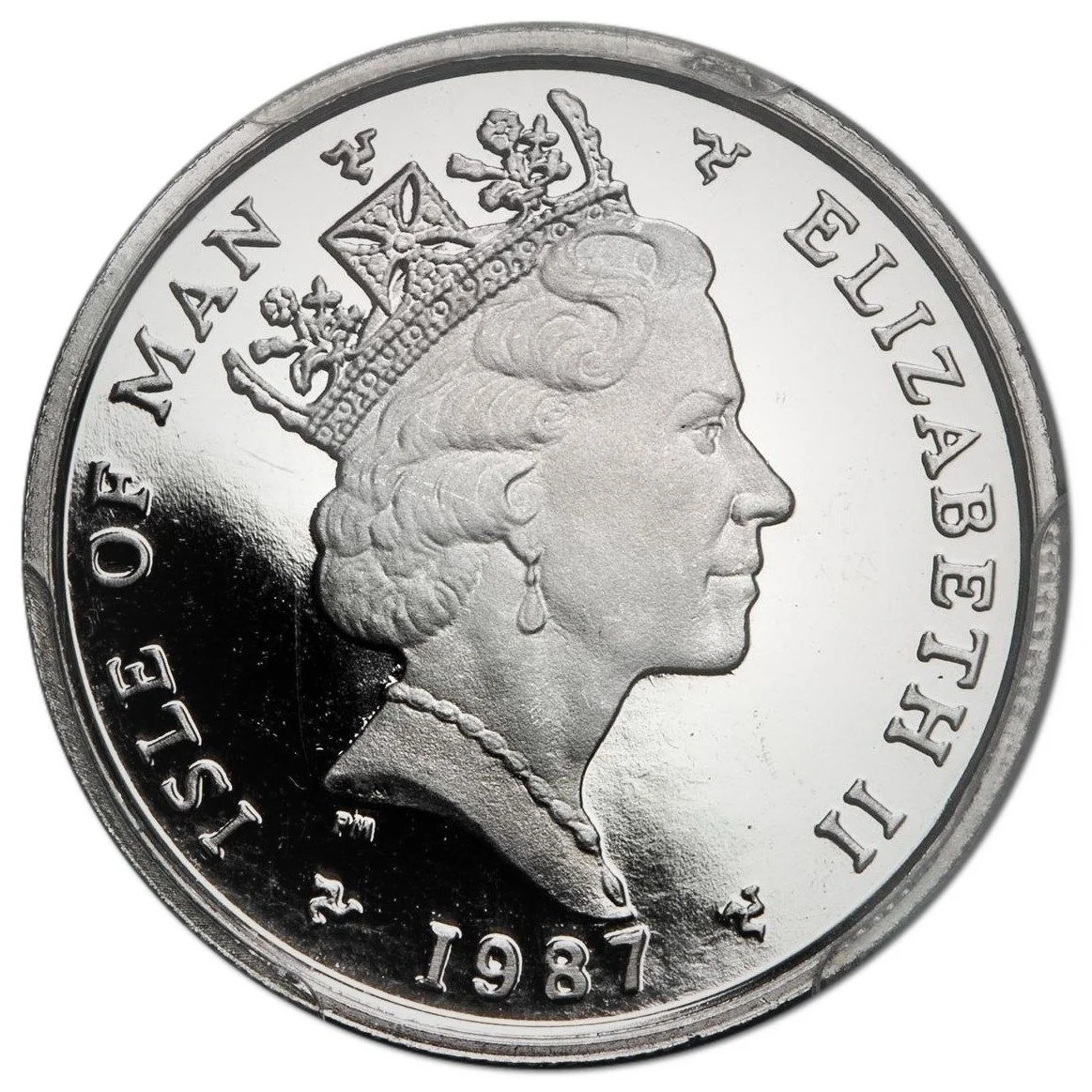
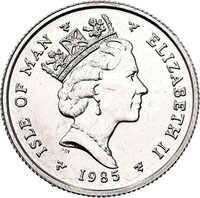
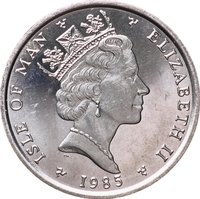
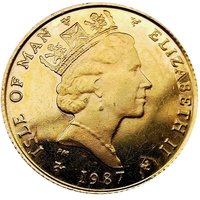
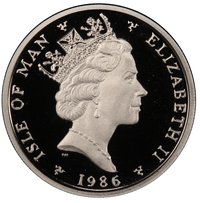
Queen Elizabeth II facing right, wearing the George IV State Diadem.
Inscription:
ISLE OF MAN ELIZABETH II
PM
1987
PM
1987
Translation:
ISLE OF MAN ELIZABETH II
PM
1987
PM
1987
Script: Latin
Language: English
Designer: Raphael David Maklouf
Reverse
Description:
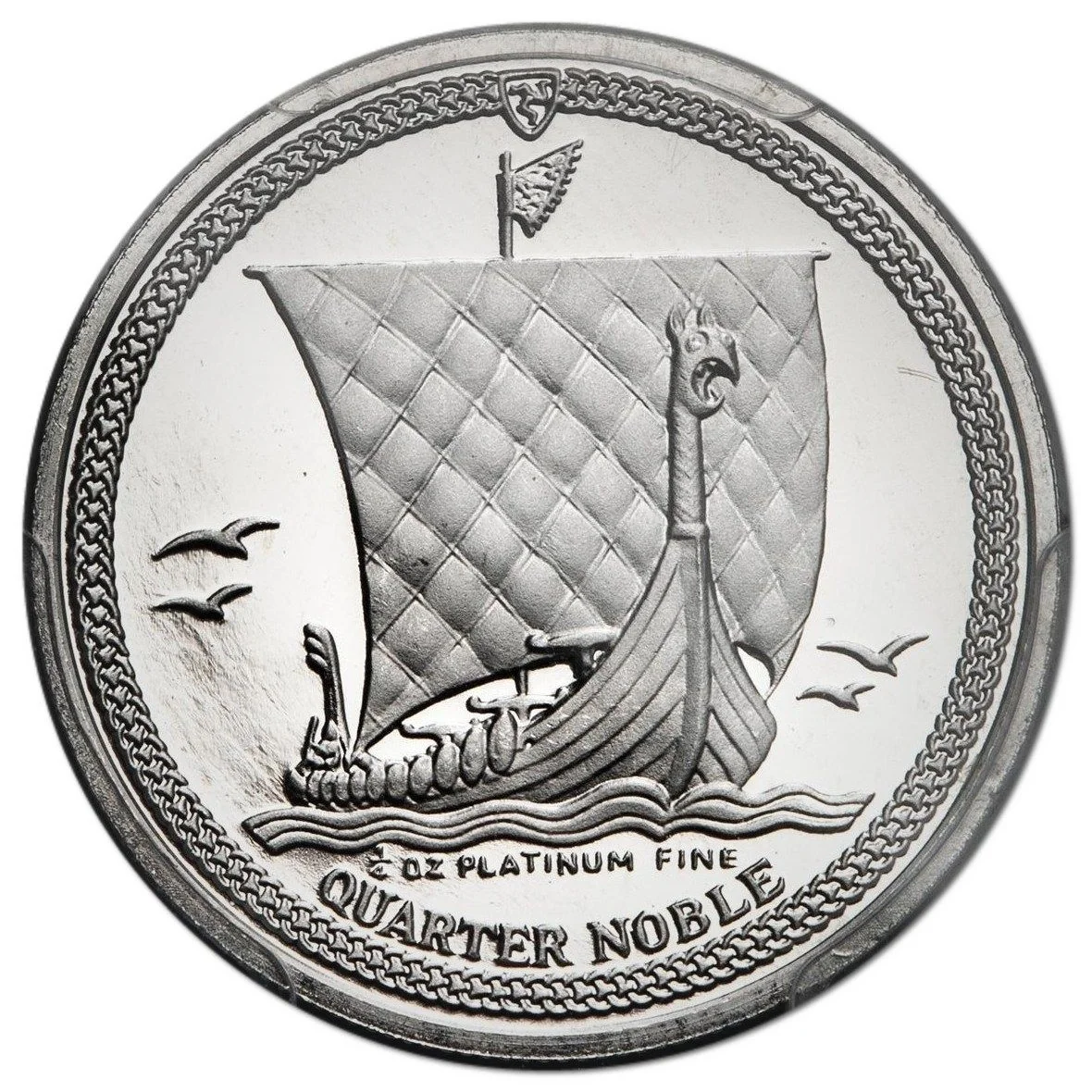
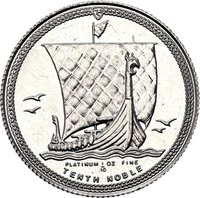
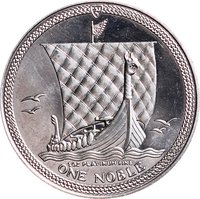
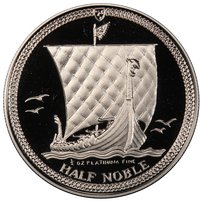
Viking longship "Thusly" sailing, four birds above, value below.
Inscription:
1/4 OZ PLATINUM FINE
QUARTER NOBLE
QUARTER NOBLE
Script: Latin
Edge
Reeded
Categories
| Animal> Bird |
| Transportation> Watercraft |
Mints
| Name | Mark |
|---|---|
| Pobjoy Mint | (PM) |
Mintings
| Year | Mint Mark | Mintage | Quality | Collection |
|---|---|---|---|---|
| 1986 | PM | 2,015 | Proof | |
| 1987 | PM | 3,250 | Proof |
Historical background
In 1986, the Isle of Man's currency situation was defined by its unique constitutional position as a British Crown Dependency. While not part of the United Kingdom, the Island's long-standing monetary union with the UK meant that sterling was the official currency and legal tender. The UK government, through the Bank of England, remained responsible for overarching monetary policy and the issuance of the primary banknotes in circulation. This arrangement provided economic stability and seamless trade with the Island's largest economic partner.
However, the Isle of Man exercised its prerogative to issue a distinct, local currency. Manx government notes, denominated in pounds sterling and bearing the Island's own designs and symbols, circulated alongside Bank of England notes. These were issued by the Isle of Man Government Treasury and were legally equivalent to their UK counterparts, maintaining a 1:1 parity. Crucially, the Island also issued its own coinage, first introduced in the 1970s, which featured unique Manx designs but shared the same specifications and values as British coins, ensuring they were accepted interchangeably in vending machines and commerce on both sides of the Irish Sea.
The year 1986 fell within a period of quiet confidence in the Manx currency system. The economy was diversifying beyond traditional agriculture and tourism into emerging sectors like financial services, supported by a stable and familiar monetary framework. There were no significant currency crises or debates about decimalisation (completed in 1971), as the system effectively balanced the benefits of being within the wider sterling area with the expression of national identity through its own notes and coins. This pragmatic duality continues to characterize the Isle of Man's currency policy to this day.
However, the Isle of Man exercised its prerogative to issue a distinct, local currency. Manx government notes, denominated in pounds sterling and bearing the Island's own designs and symbols, circulated alongside Bank of England notes. These were issued by the Isle of Man Government Treasury and were legally equivalent to their UK counterparts, maintaining a 1:1 parity. Crucially, the Island also issued its own coinage, first introduced in the 1970s, which featured unique Manx designs but shared the same specifications and values as British coins, ensuring they were accepted interchangeably in vending machines and commerce on both sides of the Irish Sea.
The year 1986 fell within a period of quiet confidence in the Manx currency system. The economy was diversifying beyond traditional agriculture and tourism into emerging sectors like financial services, supported by a stable and familiar monetary framework. There were no significant currency crises or debates about decimalisation (completed in 1971), as the system effectively balanced the benefits of being within the wider sterling area with the expression of national identity through its own notes and coins. This pragmatic duality continues to characterize the Isle of Man's currency policy to this day.
✨ Legendary