

1⁄32 crown – Gibraltar
Add to wishlist
United Kingdom
Context
Material
References
Numista: #387730
Value
Bullion value: $153.21
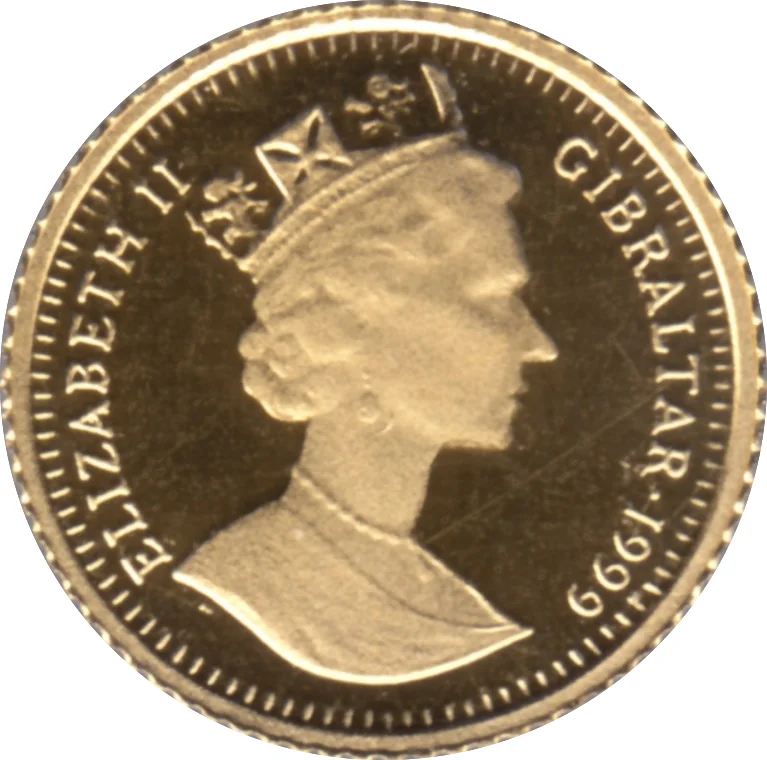
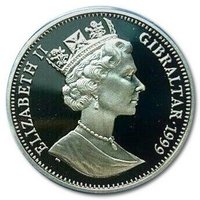
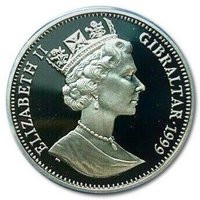
Obverse
Description:
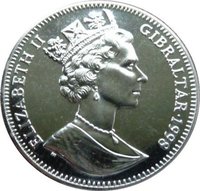
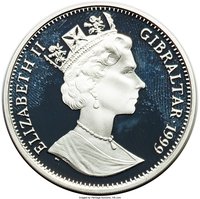
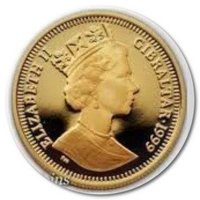
Bust of Elizabeth II, right profile
Inscription:
ELIZABETH II GIBRALTAR · 1999
PM
PM
Script: Latin
Engraver: Raphael David Maklouf
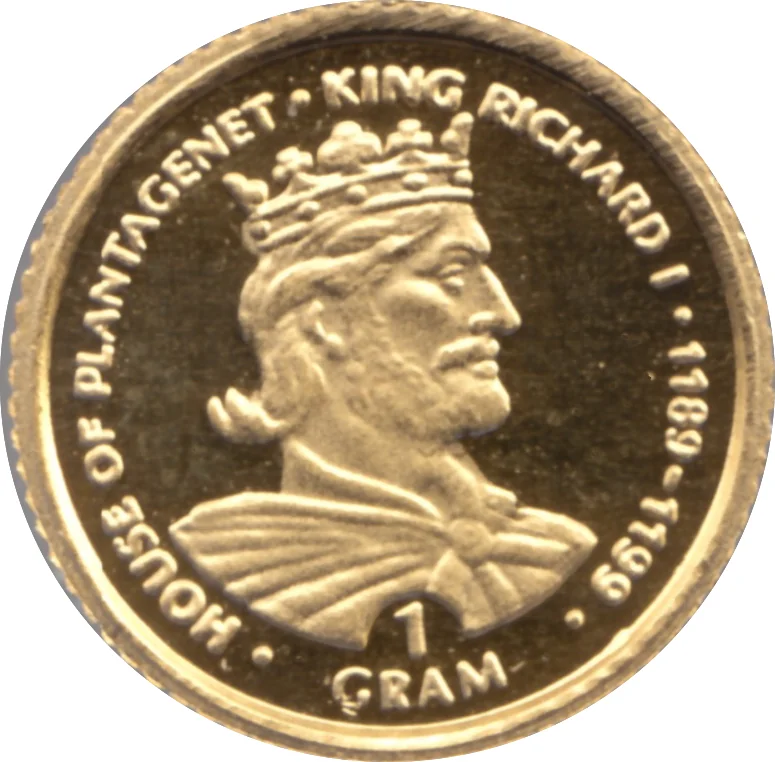
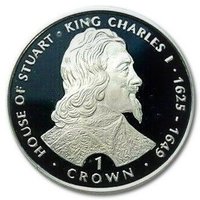
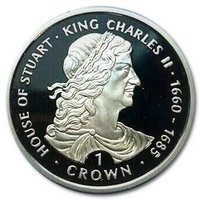
Reverse
Description:
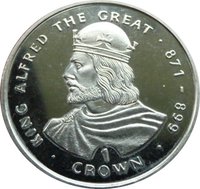
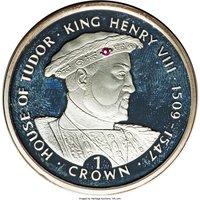
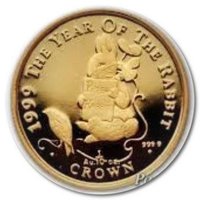
Crowned bust right, dates right, value below.
Inscription:
HOUSE OF PLANTAGENET · KING RICHARD I · 1189- 1199
1
GRAM
1
GRAM
Script: Latin
Edge
Reeded
Mints
| Name | Mark |
|---|---|
| Pobjoy Mint | (PM) |
Mintings
| Year | Mint Mark | Mintage | Quality | Collection |
|---|---|---|---|---|
| 1999 | PM | — | Proof |
Historical background
In 1999, the currency situation in Gibraltar was one of formal transition and practical continuity. As a British Overseas Territory, Gibraltar’s legal tender was the Gibraltar pound (GIP), issued by the Government of Gibraltar and pegged at par with the pound sterling (GBP). While sterling notes and coins circulated freely alongside local issues, the Gibraltar pound was not legal tender in the United Kingdom, creating a one-sided arrangement. This period was particularly significant as Gibraltar, like the UK, was preparing for the potential introduction of the euro, following the UK government’s decision to explore European Monetary Union (EMU) membership.
The year fell within the five-year "opt-in" period (1999-2002) established by the UK for its territories regarding the euro. The Gibraltar government, led by Chief Minister Peter Caruana, conducted extensive studies and public consultations. A key consideration was Gibraltar’s unique economic dependence on the UK and its border with Spain, an EU member already set to adopt the euro. Proponents argued that adopting the euro would facilitate cross-border trade and tourism, while opponents emphasized constitutional ties to Britain and the risks of aligning with a currency without political representation in the European Central Bank.
Ultimately, by the close of 1999, the momentum was shifting decisively against euro adoption. The UK’s own political climate was growing increasingly eurosceptic, and the Gibraltar government’s consultations revealed strong public attachment to the link with sterling as a symbol of British sovereignty. This sentiment, coupled with practical financial stability, led to the eventual decision to retain the sterling peg. Thus, 1999 was a year of deliberate evaluation that concluded with a reaffirmation of the status quo, setting Gibraltar’s currency policy on its enduring path alongside the pound sterling.
The year fell within the five-year "opt-in" period (1999-2002) established by the UK for its territories regarding the euro. The Gibraltar government, led by Chief Minister Peter Caruana, conducted extensive studies and public consultations. A key consideration was Gibraltar’s unique economic dependence on the UK and its border with Spain, an EU member already set to adopt the euro. Proponents argued that adopting the euro would facilitate cross-border trade and tourism, while opponents emphasized constitutional ties to Britain and the risks of aligning with a currency without political representation in the European Central Bank.
Ultimately, by the close of 1999, the momentum was shifting decisively against euro adoption. The UK’s own political climate was growing increasingly eurosceptic, and the Gibraltar government’s consultations revealed strong public attachment to the link with sterling as a symbol of British sovereignty. This sentiment, coupled with practical financial stability, led to the eventual decision to retain the sterling peg. Thus, 1999 was a year of deliberate evaluation that concluded with a reaffirmation of the status quo, setting Gibraltar’s currency policy on its enduring path alongside the pound sterling.
Series: Kings and Queens of England

✨ Legendary