

5 hryven – Ukraine
Add to wishlist
Ukraine
Context
Year: 2012
Issuer: Ukraine
Issuing organization: National Bank of Ukraine
Period:
(since 1991)
Currency:
(since 1996)
Total mintage: 30,000
Material
Diameter: 35 mm
Weight: 16.54 g
Thickness: 2.39 mm
Shape: Round
Composition: Nickel brass
Magnetic: No
Technique: Milled
Alignment: Medal alignment
flip
References
KM: #
Numista: #38729
Value
Exchange value: 5 UAH
Obverse
Description:
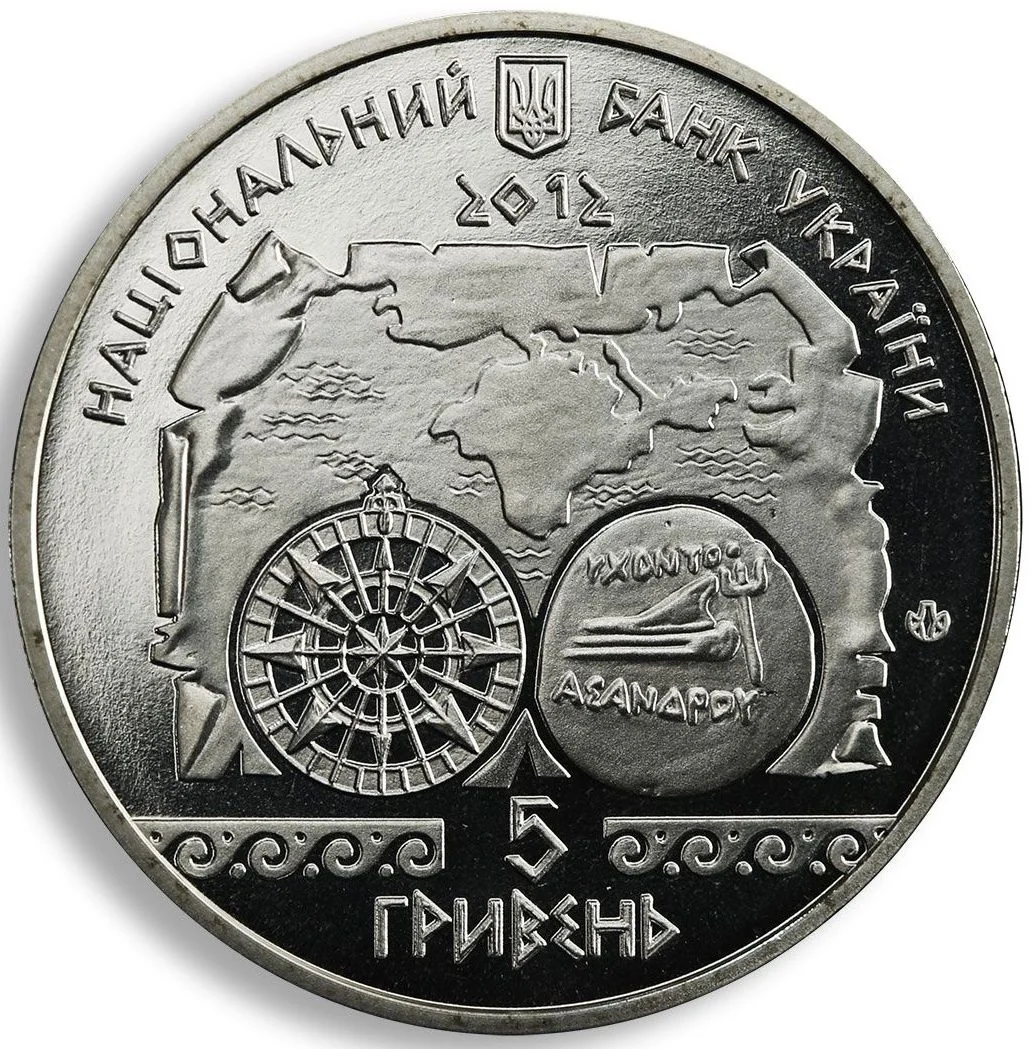
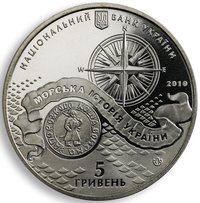
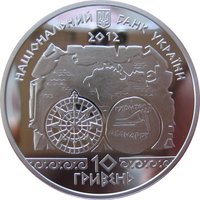
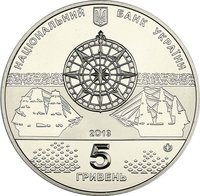
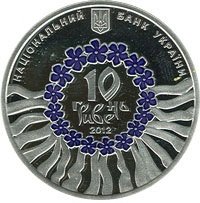
The obverse features Ukraine's Small Coat of Arms, the inscription "НАЦІОНАЛЬНИЙ БАНК УКРАЇНИ" and the year 2012. A stylized map forms the background, flanked by a wind rose (left) and an ancient Bosporan Kingdom coin (right). Below are a meander pattern, the face value "5 ГРИВЕНЬ," and the Mint's logo.
Inscription:
НАЦІОНАЛЬНИЙ БАНК УКРАЇНИ
2012
5 ГРИВЕНЬ
2012
5 ГРИВЕНЬ
Translation:
NATIONAL BANK OF UKRAINE
2012
5 HRYVNIAS
2012
5 HRYVNIAS
Script: Cyrillic
Language: Ukrainian
Engravers: Volodymyr Atamanchuk, Sviatoslav Ivanenko
Reverse
Description:
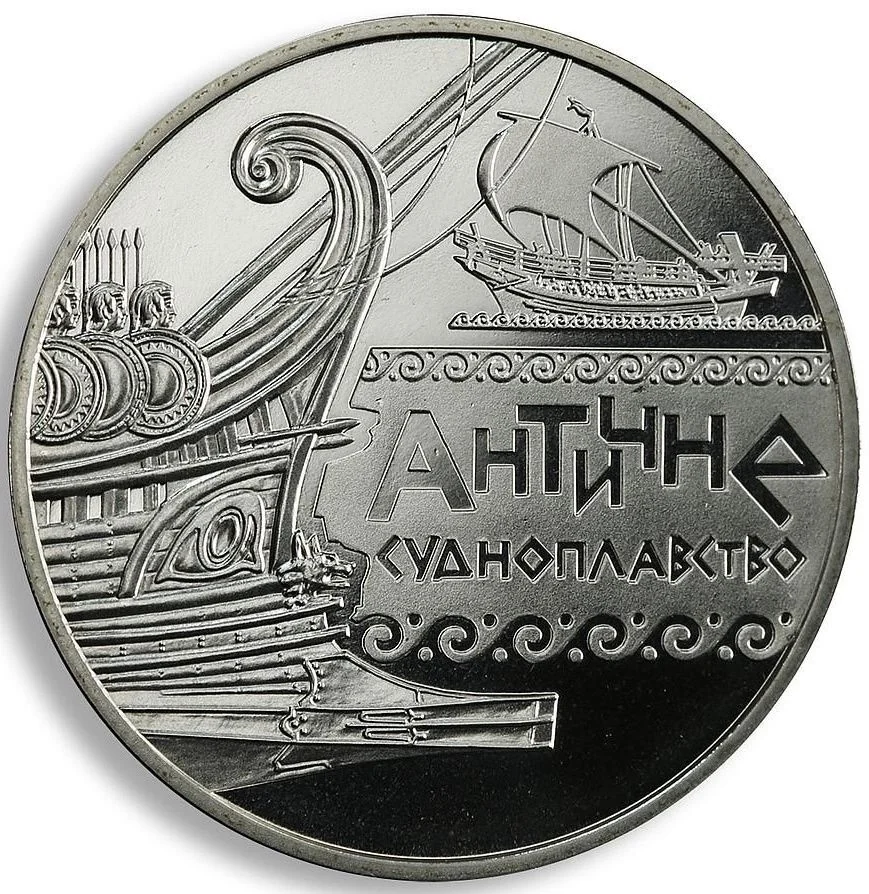
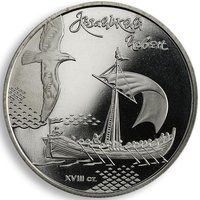
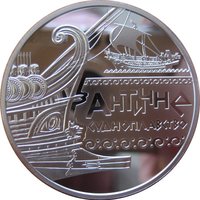
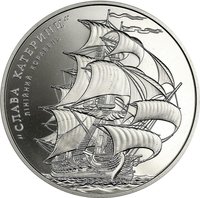
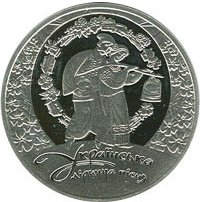
Left: a stylized ship bow (prora) from ancient coins. Right: an ancient sailing ship.
Inscription:
АНТИЧНЕ СУДНОПЛАВСТВО
Translation:
Ancient Navigation
Script: Cyrillic
Language: Ukrainian
Engravers: Volodymyr Atamanchuk, Sviatoslav Ivanenko
Edge
Reeded
Categories
| Currency> Coin depiction |
| Map |
| Transportation> Watercraft |
Mints
| Name | Mark |
|---|---|
| National Bank of Ukraine Banknote Printing and Minting Works | — |
Mintings
| Year | Mint Mark | Mintage | Quality | Collection |
|---|---|---|---|---|
| 2012 | — | 30,000 | Special Uncirculated |
Historical background
In 2012, Ukraine's currency, the hryvnia (UAH), operated under a managed floating exchange rate regime, pegged loosely to the U.S. dollar within a narrow band set by the National Bank of Ukraine (NBU). The year was characterized by relative stability on the surface, with the official exchange rate hovering around 7.99-8.00 UAH per USD for much of the period. This stability was artificially maintained by the NBU through significant market interventions, utilizing the country's foreign currency reserves to support the hryvnia and meet International Monetary Fund (IMF) targets under a suspended standby agreement.
However, this apparent calm masked mounting underlying economic pressures. The economy was heavily dependent on steel and chemical exports, which suffered due to falling global commodity prices. Simultaneously, the cost of Russian gas imports remained cripplingly high, creating a persistent current account deficit. Furthermore, excessive government spending ahead of the October 2012 parliamentary elections, including populist measures like raising pensions and public sector wages, fueled inflation and increased budget deficits. These fundamental weaknesses created a growing overvaluation of the hryvnia, with a widening gap between the official rate and the weaker rate in the limited unofficial market.
Consequently, by the end of 2012, Ukraine was in a precarious position. The NBU's interventions to defend the currency had depleted international reserves to dangerously low levels, leaving the country vulnerable to external shocks. The IMF program was stalled due to the government's unwillingness to implement necessary austerity measures, such as raising domestic gas prices. While a full-scale currency crisis did not erupt until 2014 following political upheaval and the loss of Crimea, the unsustainable policies of 2012—artificial exchange rate stability, dwindling reserves, and lack of structural reforms—laid the crucial groundwork for the severe financial turmoil that would follow.
However, this apparent calm masked mounting underlying economic pressures. The economy was heavily dependent on steel and chemical exports, which suffered due to falling global commodity prices. Simultaneously, the cost of Russian gas imports remained cripplingly high, creating a persistent current account deficit. Furthermore, excessive government spending ahead of the October 2012 parliamentary elections, including populist measures like raising pensions and public sector wages, fueled inflation and increased budget deficits. These fundamental weaknesses created a growing overvaluation of the hryvnia, with a widening gap between the official rate and the weaker rate in the limited unofficial market.
Consequently, by the end of 2012, Ukraine was in a precarious position. The NBU's interventions to defend the currency had depleted international reserves to dangerously low levels, leaving the country vulnerable to external shocks. The IMF program was stalled due to the government's unwillingness to implement necessary austerity measures, such as raising domestic gas prices. While a full-scale currency crisis did not erupt until 2014 following political upheaval and the loss of Crimea, the unsustainable policies of 2012—artificial exchange rate stability, dwindling reserves, and lack of structural reforms—laid the crucial groundwork for the severe financial turmoil that would follow.
Series: Maritime History of Ukraine
🌟 Limited