

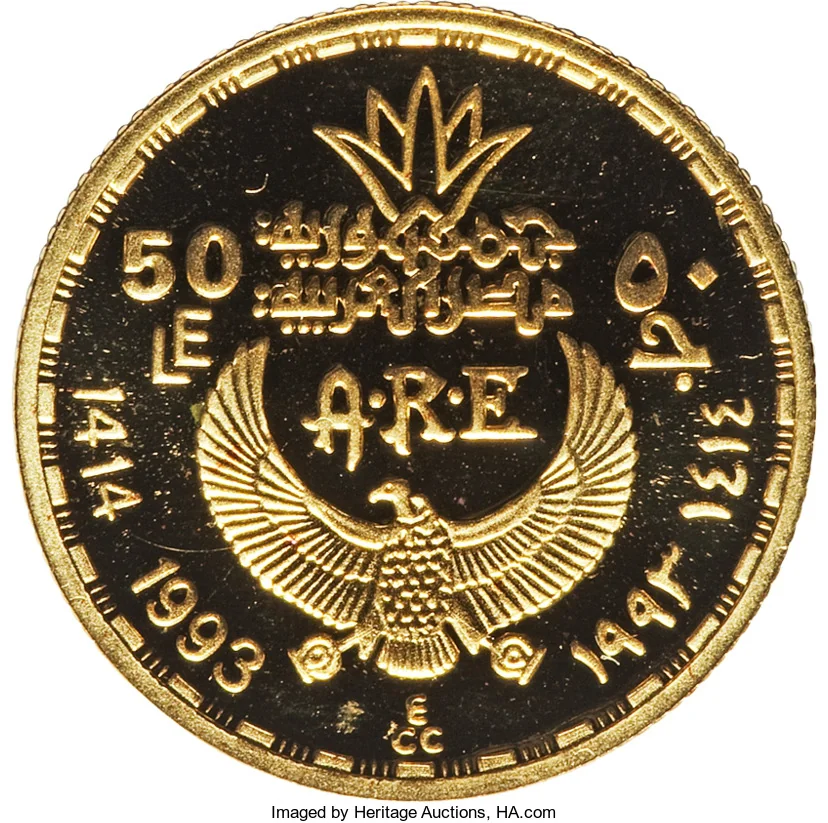
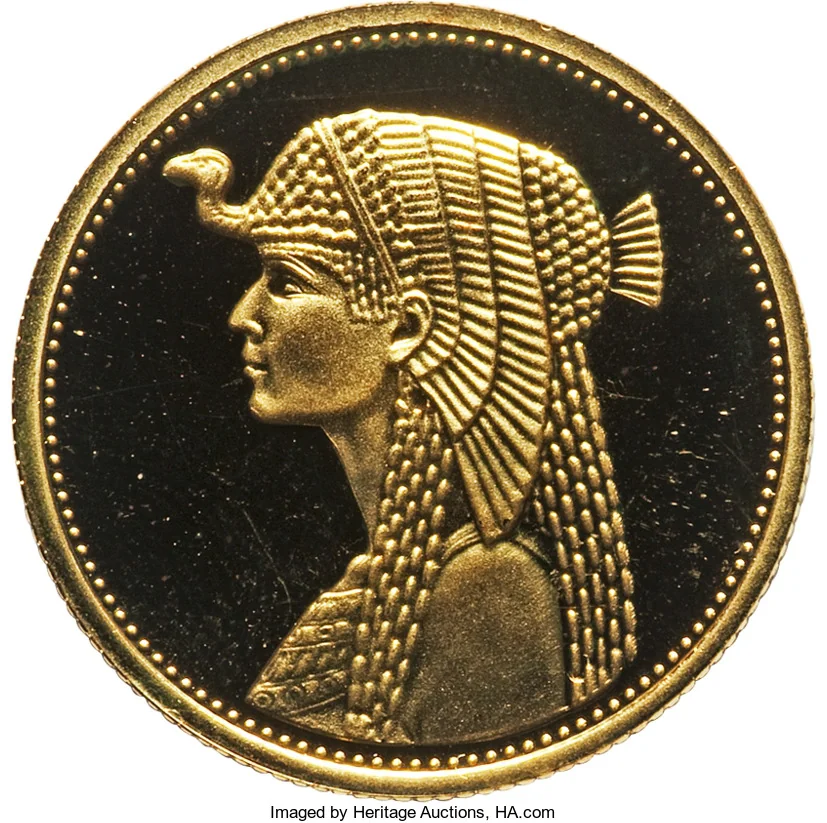
50 pounds – Egypt
Add to wishlist
Egypt
Context
Year: 1993
Islamic (Hijri) Year:: 1414
Issuer: Egypt
Period:
(since 1971)
Currency:
(since 1916)
Total mintage: 500
Material
References
KM: #
Numista: #142711
Value
Exchange value: 50 EGP
Bullion value: $1171.97
Obverse
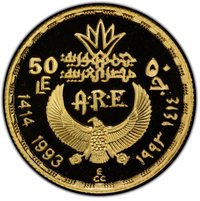
Description:
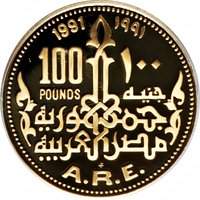
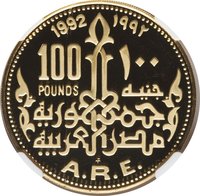
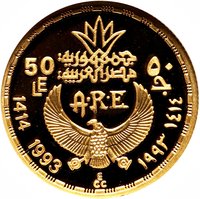
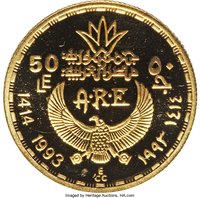
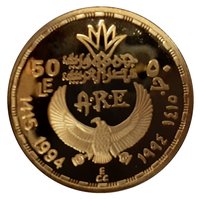
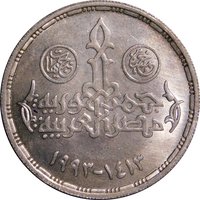
Denomination, date, state
Scripts: Arabic (kufic), Latin
Reverse
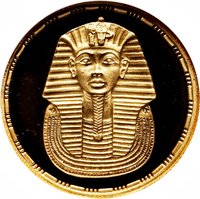
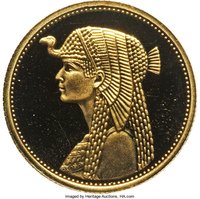
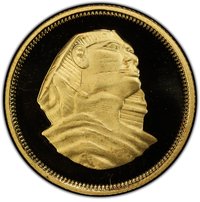
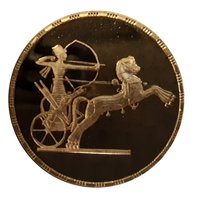
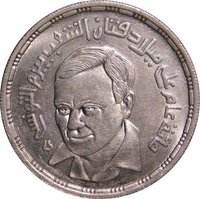
Description:
Cleopatra VII, queen and statesperson, 69–30 BC.
Edge
Reeded
Mints
| Name | Mark |
|---|---|
| Mexican Mint | — |
Mintings
| Year | Mint Mark | Mintage | Quality | Collection |
|---|---|---|---|---|
| 1993 | — | 500 | Proof |
Historical background
In 1993, Egypt's currency situation was defined by a critical transition within its long-standing dual-exchange-rate system. The official exchange rate was fixed by the Central Bank of Egypt (CBE) at approximately E£3.3 per US dollar, a highly overvalued rate used for government transactions and imports of essential goods like food and fuel. Alongside this existed a more active and market-driven "parallel" rate (often called the "own-exchange" or "cash" market), where the Egyptian pound traded at a significant discount, around E£5.5 to the dollar. This gap created severe economic distortions, encouraging a black market, draining foreign reserves to defend the artificial official rate, and discouraging vital remittances and export earnings from entering the formal banking system.
The government, under an IMF stabilization program initiated in 1991, was under mounting pressure to unify these rates. The overvalued official pound made Egyptian exports uncompetitive, contributed to a persistent trade deficit, and was a major hurdle in the country's economic reform agenda. While significant progress had been made on fiscal adjustment and privatization, the currency duality remained a glaring symbol of unfinished reforms. The situation was unsustainable, as maintaining the fixed official rate required the CBE to expend scarce hard currency reserves, which had fallen to precariously low levels, threatening the country's ability to cover essential imports.
Consequently, 1993 was a year of preparation for a decisive move. In discussions with the IMF and World Bank, Egyptian authorities laid the groundwork for a pivotal devaluation and unification. This culminated in a major policy shift in late 1993 and early 1994, when the CBE engineered a controlled devaluation, bringing the official rate closer to the parallel market. This move was a crucial step towards establishing a unified, market-based exchange rate mechanism, aiming to curb the black market, attract foreign currency, and align Egypt's economy with global financial realities as part of its broader structural adjustment program.
The government, under an IMF stabilization program initiated in 1991, was under mounting pressure to unify these rates. The overvalued official pound made Egyptian exports uncompetitive, contributed to a persistent trade deficit, and was a major hurdle in the country's economic reform agenda. While significant progress had been made on fiscal adjustment and privatization, the currency duality remained a glaring symbol of unfinished reforms. The situation was unsustainable, as maintaining the fixed official rate required the CBE to expend scarce hard currency reserves, which had fallen to precariously low levels, threatening the country's ability to cover essential imports.
Consequently, 1993 was a year of preparation for a decisive move. In discussions with the IMF and World Bank, Egyptian authorities laid the groundwork for a pivotal devaluation and unification. This culminated in a major policy shift in late 1993 and early 1994, when the CBE engineered a controlled devaluation, bringing the official rate closer to the parallel market. This move was a crucial step towards establishing a unified, market-based exchange rate mechanism, aiming to curb the black market, attract foreign currency, and align Egypt's economy with global financial realities as part of its broader structural adjustment program.
Series: Ancient Egyptian Treasures
✨ Legendary