

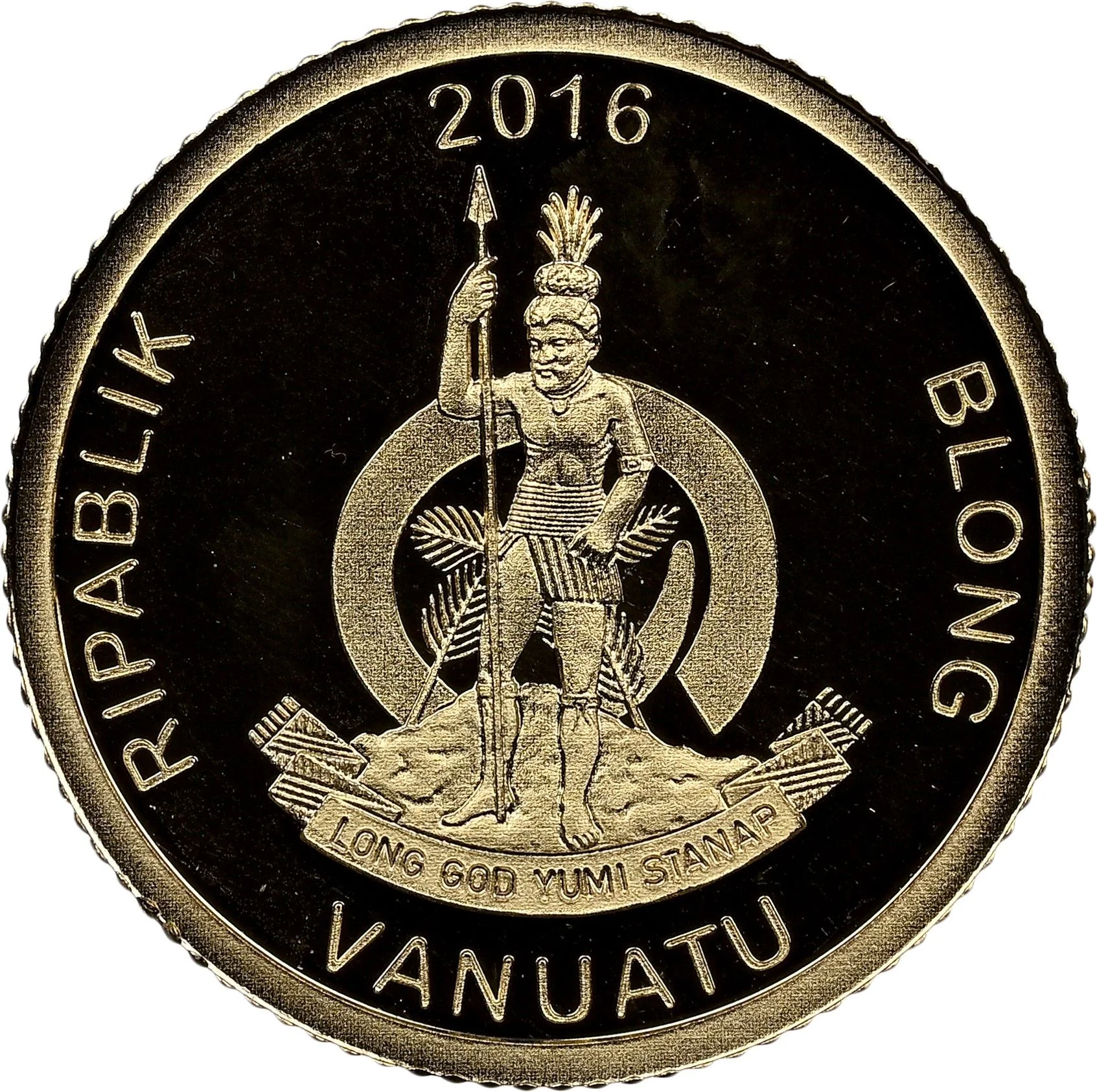
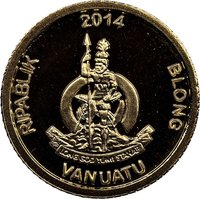
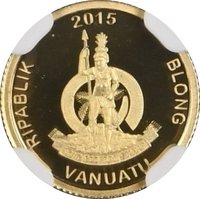
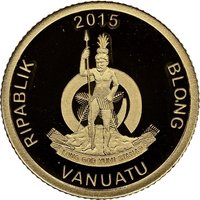
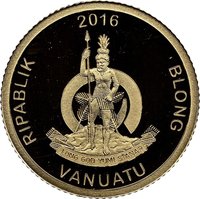
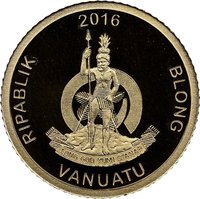
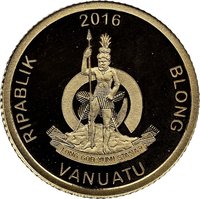
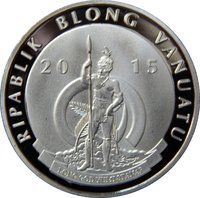
Obverse
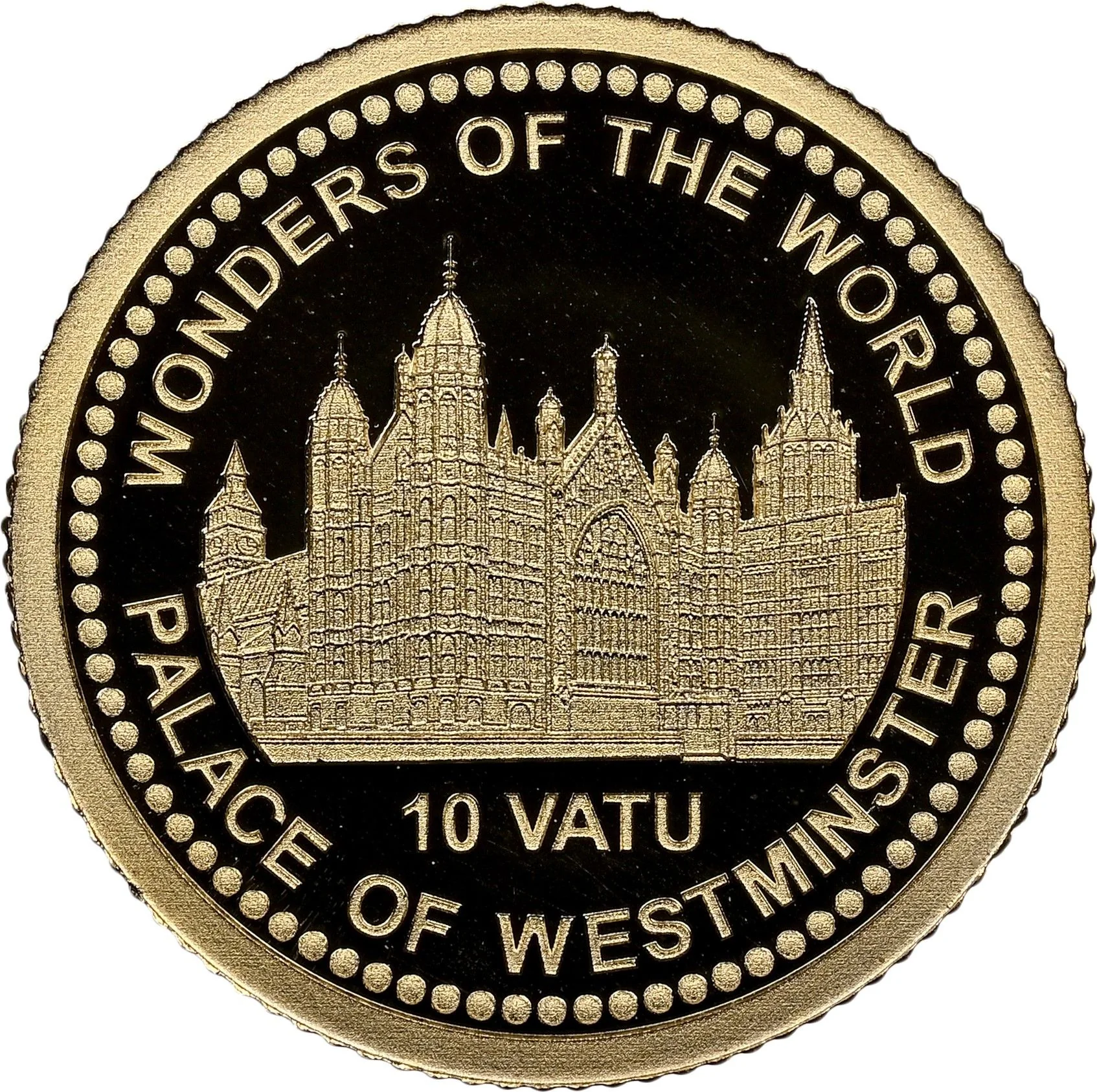
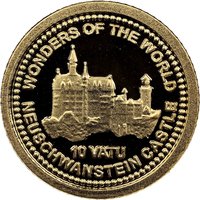
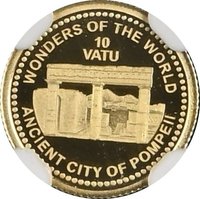
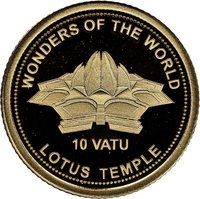
Reverse
Description:
The Palace of Westminster in London.
Inscription:
WONDERS OF THE WORLD
10 VATU
PALACE OF WESTMINSTER
10 VATU
PALACE OF WESTMINSTER
Script: Latin
Edge
Reeded
Mints
| Name | Mark |
|---|---|
| B. H. Mayer Kunstprageanstalt | — |
Mintings
| Year | Mint Mark | Mintage | Quality | Collection |
|---|---|---|---|---|
| 2015 | — | — | Proof | |
| 2016 | — | 5,000 |
Historical background
In 2015, Vanuatu's currency situation was dominated by the aftermath of a dual crisis. The nation was still grappling with the severe economic disruption caused by Tropical Cyclone Pam, a Category 5 storm that struck in March, devastating infrastructure, agriculture, and tourism. Concurrently, the country faced a political crisis following the arrest and conviction of several high-profile politicians for corruption, which created uncertainty and hampered government function. These twin shocks placed significant pressure on the economy and, by extension, the stability of the national currency, the Vanuatu vatu (VUV).
The Vanuatu vatu itself is pegged to a currency basket, a policy managed by the Reserve Bank of Vanuatu (RBV). This basket was, and remains, dominated by the Australian dollar (with a weight of around 60%), the euro, and the Japanese yen. This peg provided a crucial anchor for stability, insulating the vatu from the worst potential volatility following the crises. In 2015, the RBV maintained this peg without devaluation, a decision aimed at preserving macroeconomic stability and controlling inflation, even as the economy contracted. The strength of the Australian dollar during this period indirectly supported the vatu's external value.
Despite the stable exchange rate regime, the real economic pressures were acute. The crises led to a sharp decline in GDP growth, with the Asian Development Bank estimating a contraction of -0.8% for 2015, following positive growth in previous years. This downturn impacted foreign exchange reserves through reduced tourism earnings and agricultural exports. The RBV's focus was therefore on managing liquidity and supporting the banking sector's stability, while the government and international donors mobilized a large-scale recovery effort. Thus, the currency situation in 2015 was characterized by a formally stable but under-pressure vatu, shielded by its peg but operating within a severely damaged economic landscape.
The Vanuatu vatu itself is pegged to a currency basket, a policy managed by the Reserve Bank of Vanuatu (RBV). This basket was, and remains, dominated by the Australian dollar (with a weight of around 60%), the euro, and the Japanese yen. This peg provided a crucial anchor for stability, insulating the vatu from the worst potential volatility following the crises. In 2015, the RBV maintained this peg without devaluation, a decision aimed at preserving macroeconomic stability and controlling inflation, even as the economy contracted. The strength of the Australian dollar during this period indirectly supported the vatu's external value.
Despite the stable exchange rate regime, the real economic pressures were acute. The crises led to a sharp decline in GDP growth, with the Asian Development Bank estimating a contraction of -0.8% for 2015, following positive growth in previous years. This downturn impacted foreign exchange reserves through reduced tourism earnings and agricultural exports. The RBV's focus was therefore on managing liquidity and supporting the banking sector's stability, while the government and international donors mobilized a large-scale recovery effort. Thus, the currency situation in 2015 was characterized by a formally stable but under-pressure vatu, shielded by its peg but operating within a severely damaged economic landscape.
Series: Wonders of the World

✨ Legendary