

1 skilling specie – Sweden
Add to wishlist
Sweden
Context
Year: 1832
Issuer: Sweden
Ruler: Charles XIV John
Currency:
(1830—1855)
Demonetized: Yes
Total mintage: 8,000
Material
References
KM: #
Numista: #37772
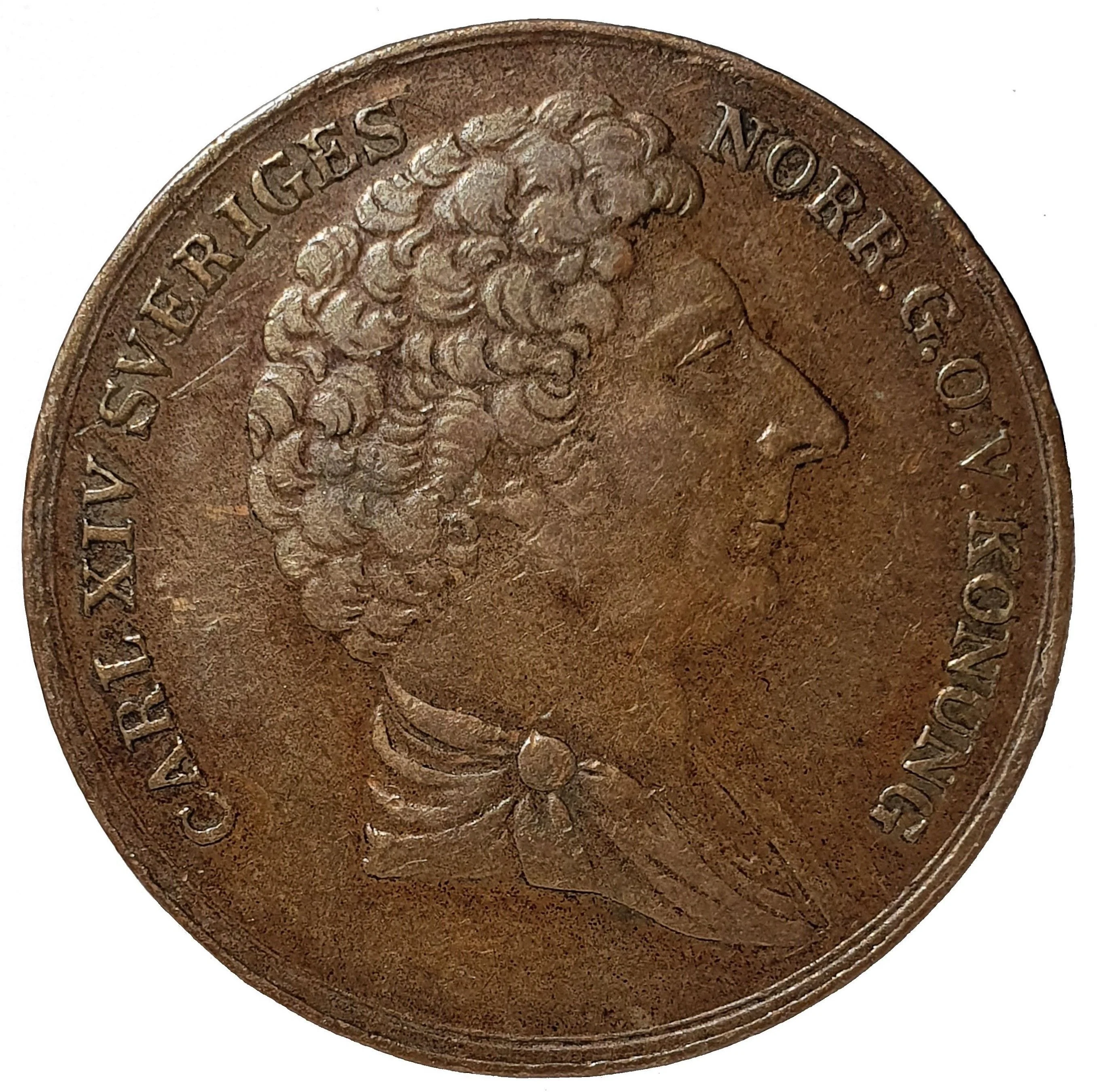
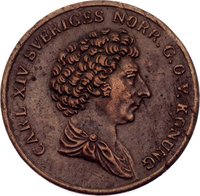
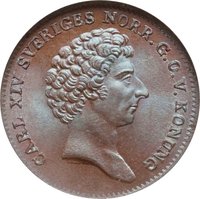
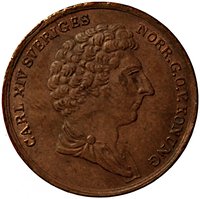
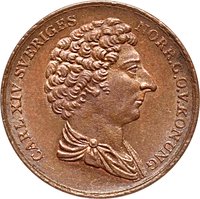
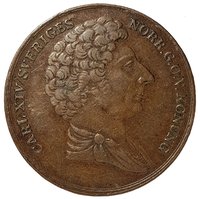
Obverse
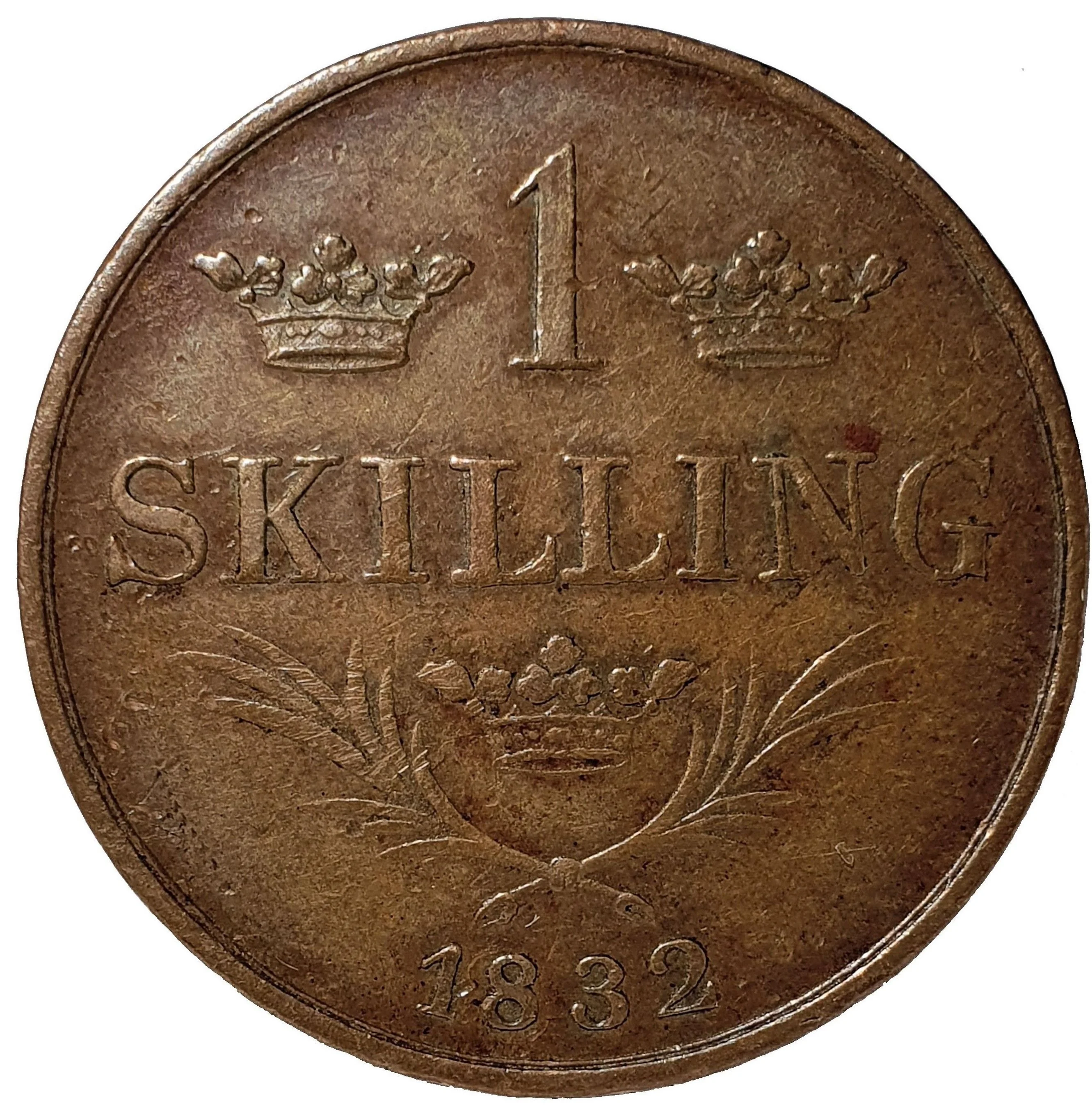
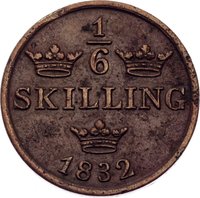
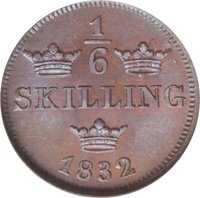
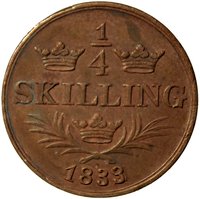
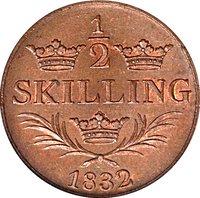
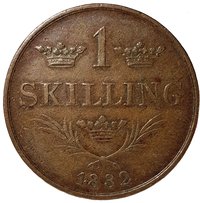
Reverse
Description:
Crossed palms divide value and date vertically. Sweden's Three Crowns flank the value, with a third below the denomination.
Inscription:
1
SKILLING
1832
SKILLING
1832
Script: Latin
Edge
Mintings
| Year | Mint Mark | Mintage | Quality | Collection |
|---|---|---|---|---|
| 1832 | — | 8,000 |
Historical background
In 1832, Sweden operated under a complex and strained monetary system. The country was on a silver standard, but the currency in circulation was a mix of silver coins, paper notes issued by the privately-owned Riksens Ständers Bank (the precursor to the Riksbank), and a diminishing supply of older copper plate money. A significant problem was the chronic shortage of small-denomination coins for everyday transactions, which hampered commerce and led to widespread use of inconvenient and unofficial substitutes like foreign coins and privately issued tokens.
This instability was rooted in the Napoleonic Wars, which had forced Sweden to suspend the convertibility of its banknotes into silver in 1809. Although convertibility was officially restored in 1834, the period leading up to it was marked by a lack of public confidence in paper money. The notes often traded at a discount against silver, and their value fluctuated, creating uncertainty in trade and finance. The state and the bank struggled to manage the money supply and accumulate enough silver bullion to fully back the circulating notes.
Consequently, 1832 fell within a critical period of monetary transition and debate. The Riksdag (parliament) was actively working towards the goal of full convertibility, a key step toward modernizing the economy. The situation highlighted the tension between the need for a flexible currency to fuel economic growth and the demand for a stable, trustworthy monetary system backed by precious metal, setting the stage for the formal adoption of the silver standard in the years immediately following.
This instability was rooted in the Napoleonic Wars, which had forced Sweden to suspend the convertibility of its banknotes into silver in 1809. Although convertibility was officially restored in 1834, the period leading up to it was marked by a lack of public confidence in paper money. The notes often traded at a discount against silver, and their value fluctuated, creating uncertainty in trade and finance. The state and the bank struggled to manage the money supply and accumulate enough silver bullion to fully back the circulating notes.
Consequently, 1832 fell within a critical period of monetary transition and debate. The Riksdag (parliament) was actively working towards the goal of full convertibility, a key step toward modernizing the economy. The situation highlighted the tension between the need for a flexible currency to fuel economic growth and the demand for a stable, trustworthy monetary system backed by precious metal, setting the stage for the formal adoption of the silver standard in the years immediately following.
Series: 1832 Sweden circulation coins
✨ Legendary