

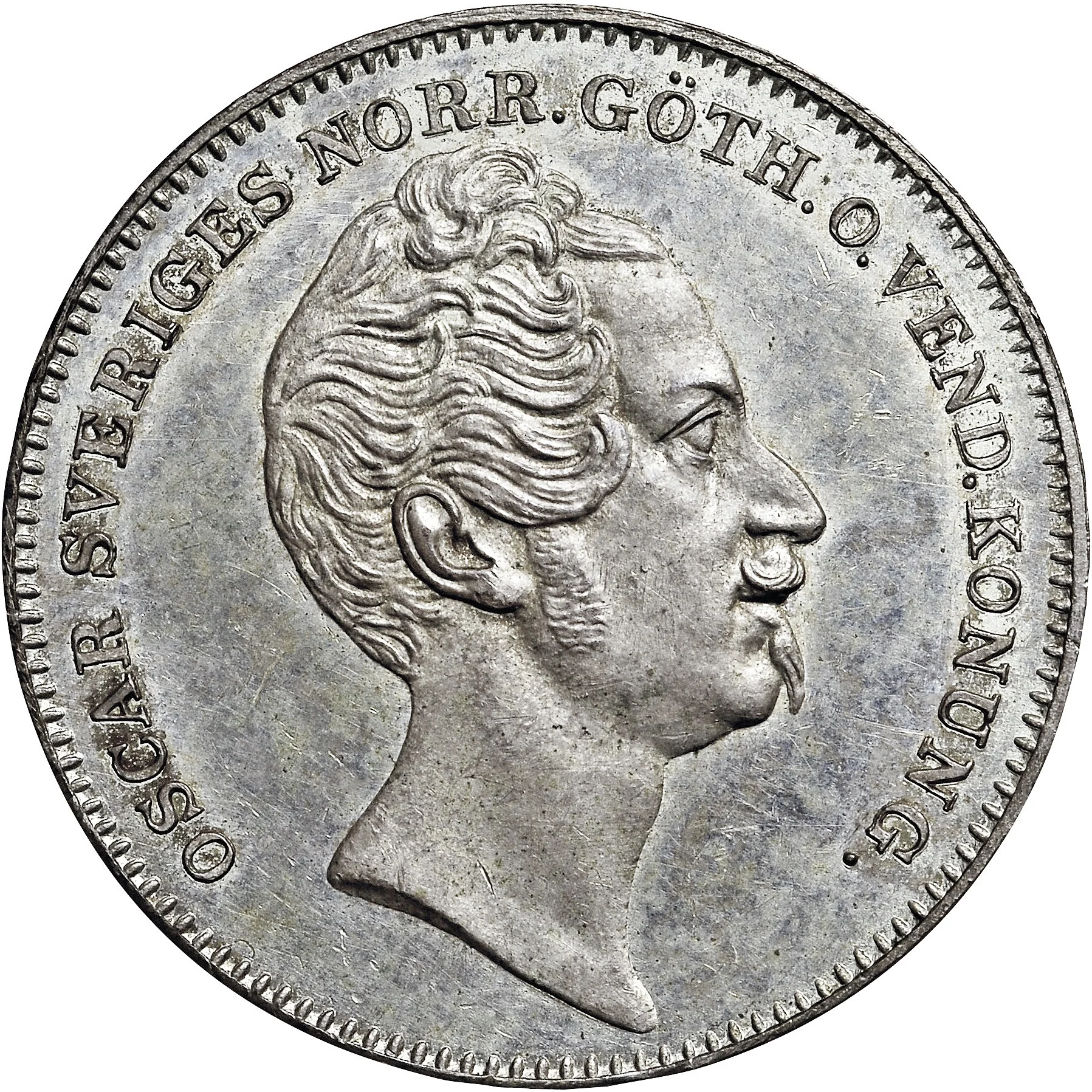
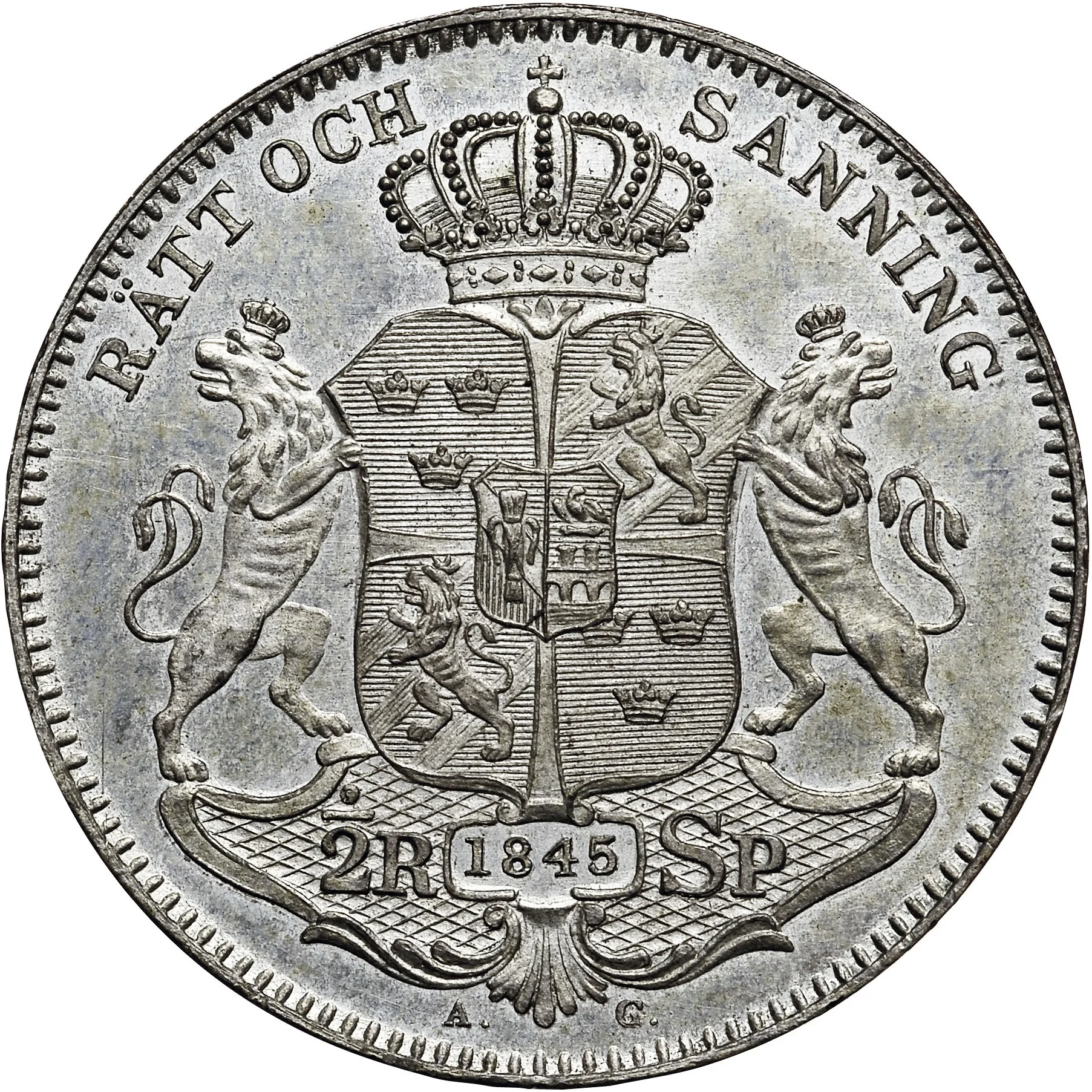
½ Riksdaler Specie – Sweden
Sweden
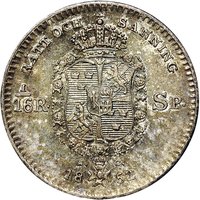
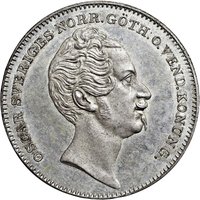
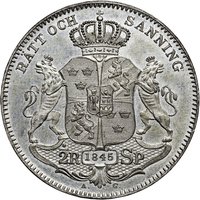
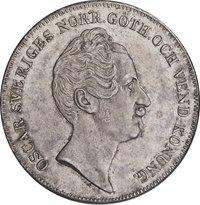
Obverse
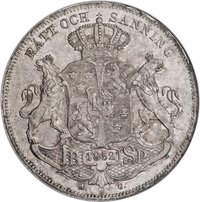
Reverse
Edge
Categories
| Symbols> Coat of Arms |
Mints
| Name | Mark |
|---|---|
| Stockholm | — |
Mintings
| Year | Mint Mark | Mintage | Quality | Collection |
|---|---|---|---|---|
| 1845 | AG | 21,764 | ||
| 1846 | AG | 82,263 | ||
| 1848 | AG | 73,612 | ||
| 1852 | AG | 1,104 |
Historical background
In 1845, Sweden was navigating a complex and transitional monetary landscape, caught between old metallic standards and the practical need for flexible bank money. Officially, the country was on a silver standard, with the riksdaler riksmynt as the unit of account, but the reality was a dual system. Alongside silver coin, the Riksbank (the central bank) and private banking institutions issued paper notes, which were theoretically convertible into silver but often traded at a discount due to public skepticism and occasional over-issuance. This created a persistent tension between the stability promised by precious metal and the convenience of paper currency.
The period leading up to 1845 was marked by significant monetary debates and reforms. A major step was the Banking Act of 1824, which granted the Riksbank a monopoly on note issuance in certain areas, aiming to bring order. However, the system remained fragmented. A key issue was the existence of the riksdaler specie, a different unit used for large transactions and foreign trade, which was valued higher than the riksdaler riksmynt. This duality complicated commerce and accounting. Furthermore, the scarcity of small-denomination silver coinage led to a chronic problem with low-value "copper plate money" and private tokens, hampering everyday trade.
Therefore, the situation in 1845 was one of uneasy equilibrium, awaiting further consolidation. The Riksbank was striving to maintain the credibility of its notes and manage the silver reserve, while economic growth demanded a more reliable and unified medium of exchange. This context set the stage for the pivotal currency reform of 1855, which would finally establish a single, decimalized currency unit (the riksdaler) and move Sweden toward a more stable and modern monetary system, effectively resolving many of the lingering complexities of the 1845 environment.
The period leading up to 1845 was marked by significant monetary debates and reforms. A major step was the Banking Act of 1824, which granted the Riksbank a monopoly on note issuance in certain areas, aiming to bring order. However, the system remained fragmented. A key issue was the existence of the riksdaler specie, a different unit used for large transactions and foreign trade, which was valued higher than the riksdaler riksmynt. This duality complicated commerce and accounting. Furthermore, the scarcity of small-denomination silver coinage led to a chronic problem with low-value "copper plate money" and private tokens, hampering everyday trade.
Therefore, the situation in 1845 was one of uneasy equilibrium, awaiting further consolidation. The Riksbank was striving to maintain the credibility of its notes and manage the silver reserve, while economic growth demanded a more reliable and unified medium of exchange. This context set the stage for the pivotal currency reform of 1855, which would finally establish a single, decimalized currency unit (the riksdaler) and move Sweden toward a more stable and modern monetary system, effectively resolving many of the lingering complexities of the 1845 environment.
Series: 1845 Sweden circulation coins
✨ Legendary