

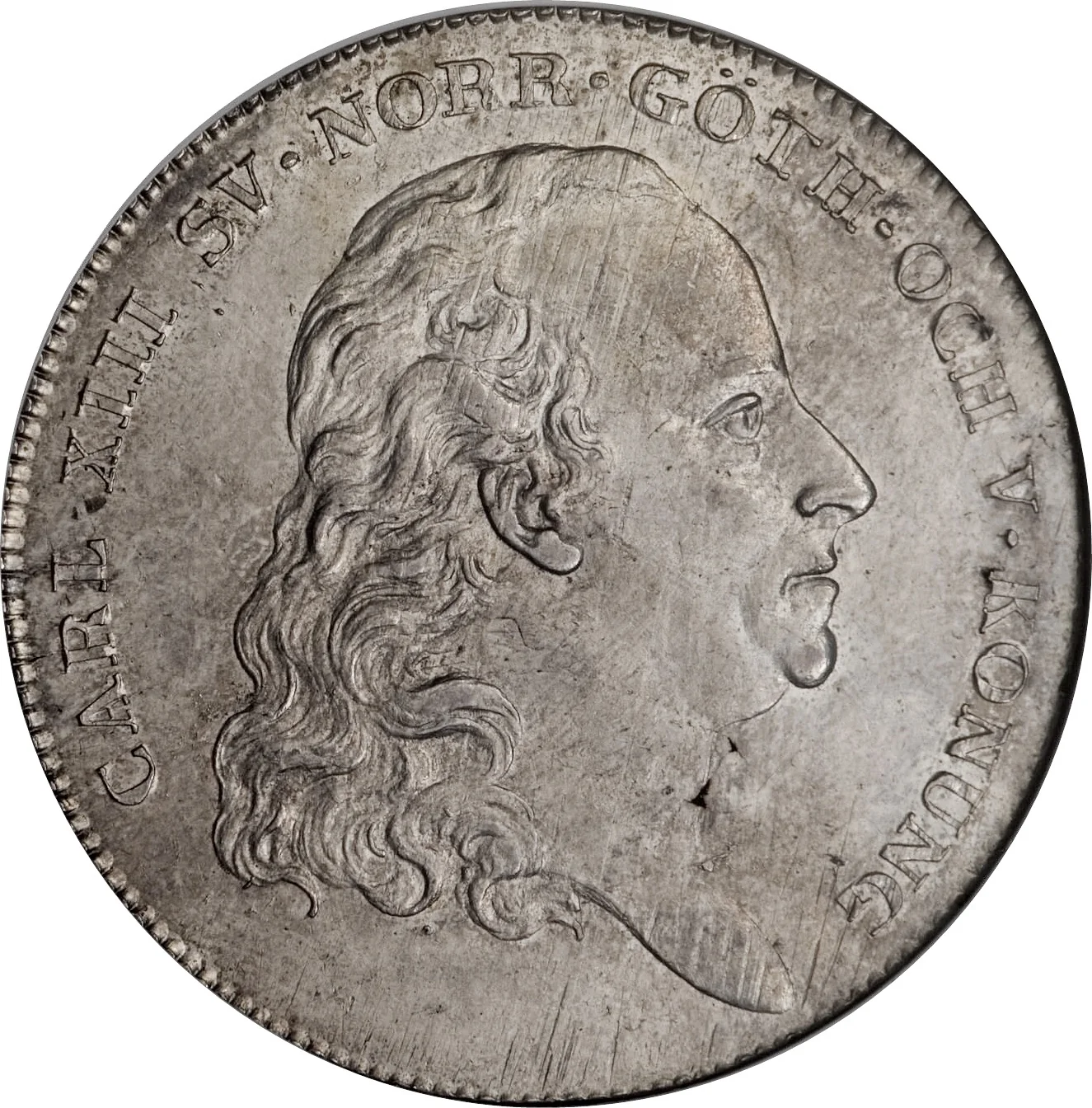
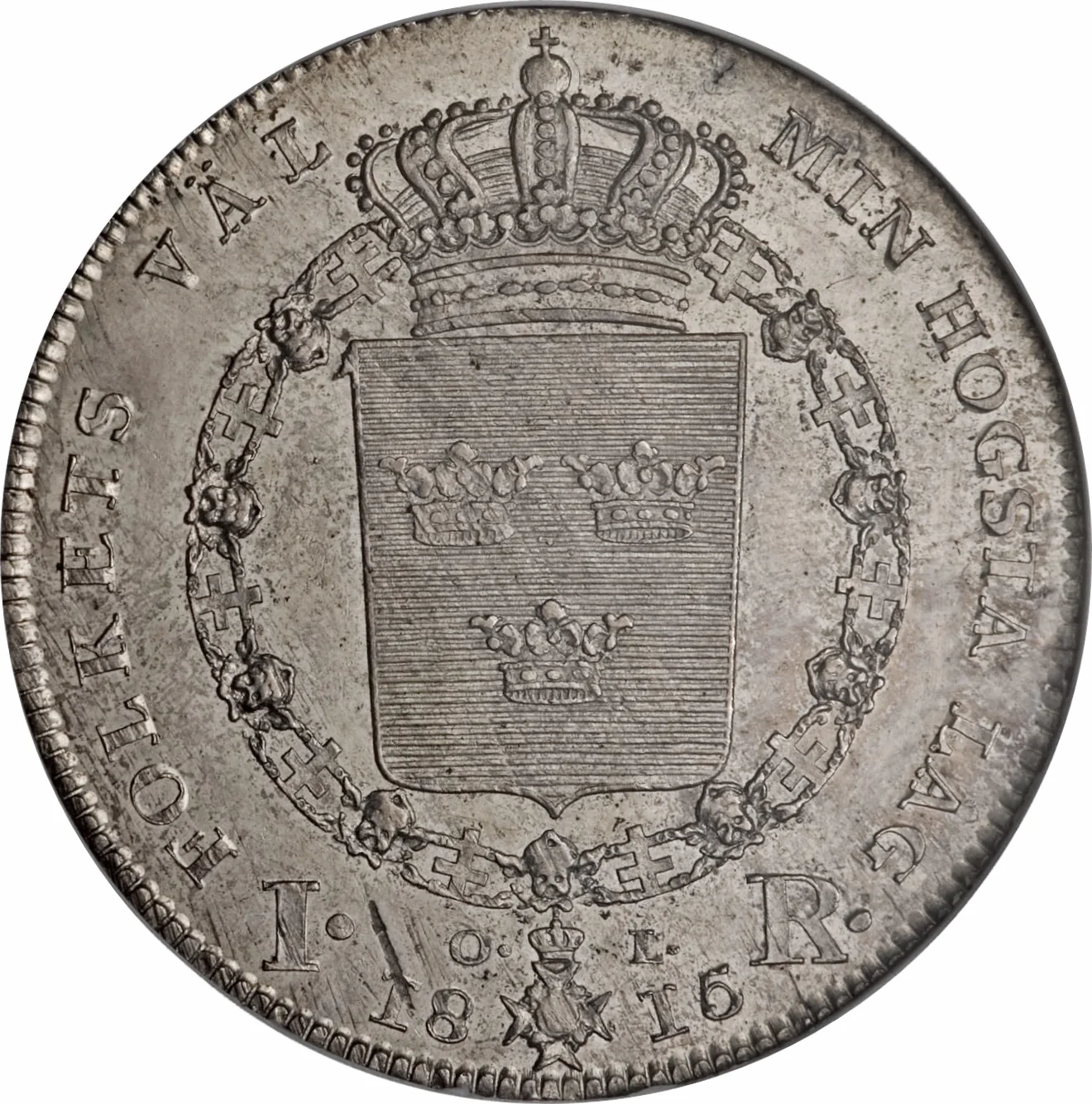
1 Riksdaler – Sweden
Sweden
Context
Years: 1814–1818
Issuer: Sweden 
Ruler: Charles XIII
Currency:
(1798—1830)
Demonetized: Yes
Total mintage: 94,850
Material
References
KM: #Click to copy to clipboard588
Numista: #37584
Value
Bullion value: $72.29
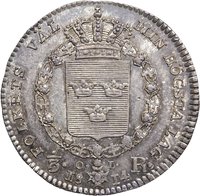
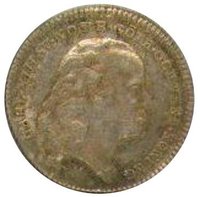
Obverse
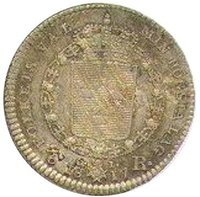
Reverse
Edge
Lettering:MANIBUS NE LAEDAR AVARIS
Legend:
MANIBUS NE LAEDAR AVARIS
Translation:
May I not be harmed by the greedy hands.
Language: Latin
Categories
| Symbols> Coat of Arms |
Mintings
| Year | Mint Mark | Mintage | Quality | Collection |
|---|---|---|---|---|
| 1814 | OL | 6,600 | ||
| 1815 | OL | 66,156 | ||
| 1816 | OL | 12,199 | ||
| 1817 | OL | 9,895 | ||
| 1818 | OL | — |
Historical background
In 1814, Sweden’s currency situation was complex and strained, deeply influenced by the geopolitical upheavals of the Napoleonic Wars. The country had emerged from the 1808-1809 war with Russia having lost Finland, and was in a state of financial exhaustion. To finance its military campaigns, the state had heavily relied on borrowing from the Riksbank, leading to significant note-issuing and a sharp depreciation of the paper currency, the riksdaler riksmynt. This created a problematic duality: while silver coins held their intrinsic value, the paper notes traded at a substantial discount, causing inflation and economic uncertainty for the populace.
The situation was further complicated by Sweden's acquisition of Norway from Denmark in the Treaty of Kiel (January 1814), a union formalized later that year. This political union did not create a monetary union; Norway maintained its own distinct currency system based on the speciedaler. Consequently, Sweden now faced the additional challenge of managing monetary relations between two separate economies with different standards, hindering trade and financial integration across the new union.
Overall, the primary monetary issue in 1814 was the lack of confidence in the paper currency and the pressing need for stabilization. The government and the Riksbank recognized the necessity of restoring the value of the paper money to its nominal silver parity to ensure economic stability. This urgent need set the stage for the major monetary reforms that would follow in the subsequent decades, most notably the introduction of the riksdaler riksmynt as a unified silver-based currency in 1834, which finally resolved the long-standing disparity between paper and coin.
The situation was further complicated by Sweden's acquisition of Norway from Denmark in the Treaty of Kiel (January 1814), a union formalized later that year. This political union did not create a monetary union; Norway maintained its own distinct currency system based on the speciedaler. Consequently, Sweden now faced the additional challenge of managing monetary relations between two separate economies with different standards, hindering trade and financial integration across the new union.
Overall, the primary monetary issue in 1814 was the lack of confidence in the paper currency and the pressing need for stabilization. The government and the Riksbank recognized the necessity of restoring the value of the paper money to its nominal silver parity to ensure economic stability. This urgent need set the stage for the major monetary reforms that would follow in the subsequent decades, most notably the introduction of the riksdaler riksmynt as a unified silver-based currency in 1834, which finally resolved the long-standing disparity between paper and coin.
✨ Legendary