

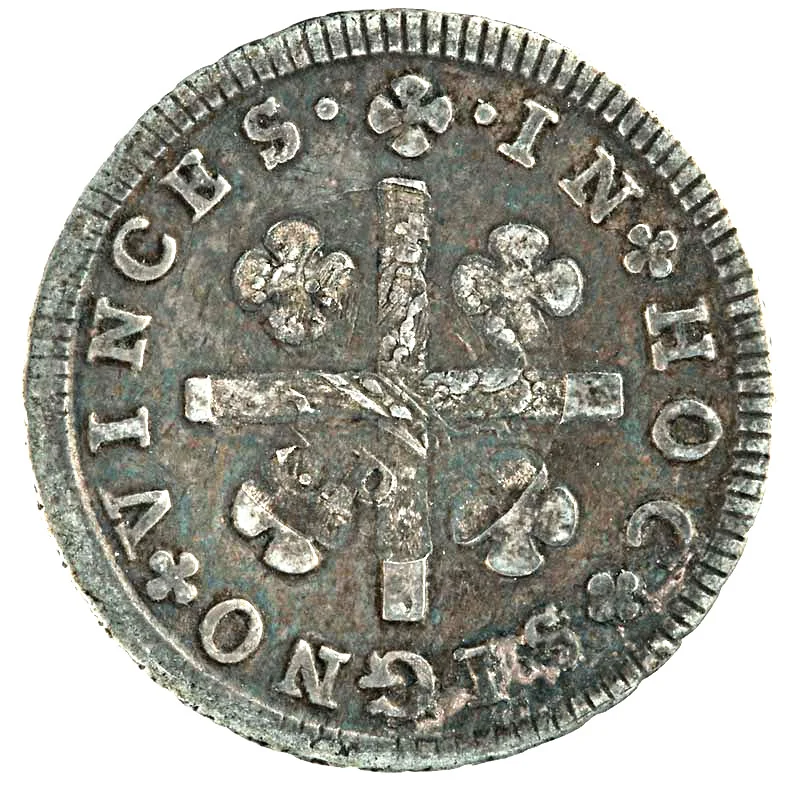
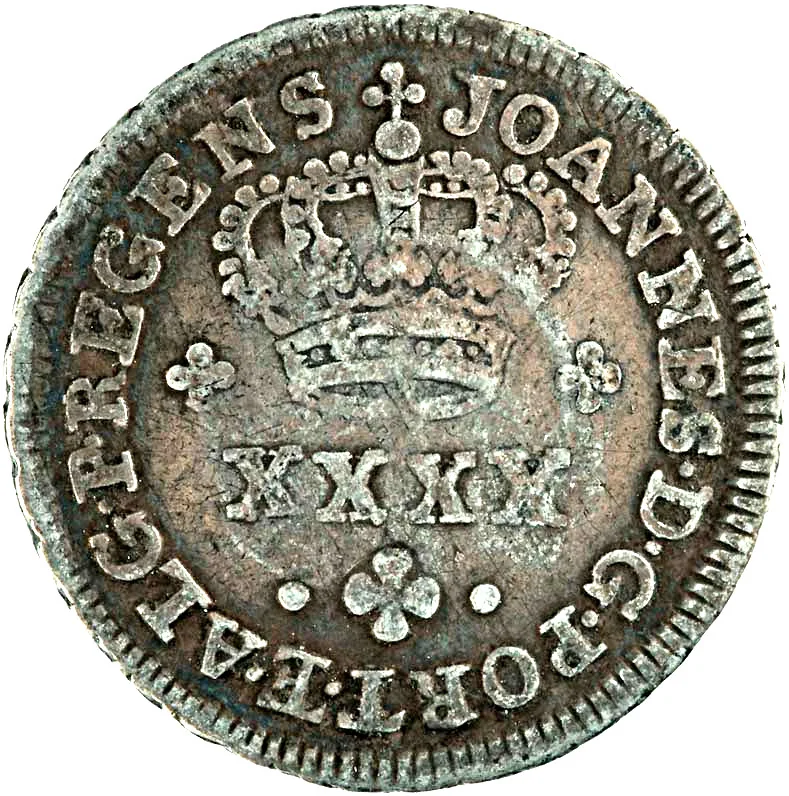
100 réis – Azores
Add to wishlist
Portugal
Context
Material
Diameter: 19 mm
Weight: 1.41 g
Silver Weight:: 1.29 g
Shape: Round
Composition: 91.66% Silver
Magnetic: No
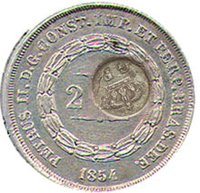
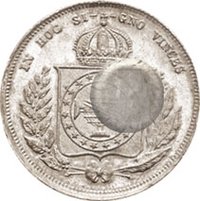
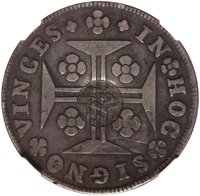
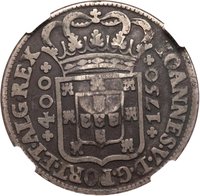
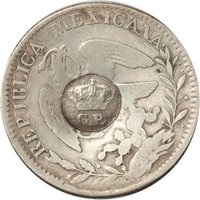
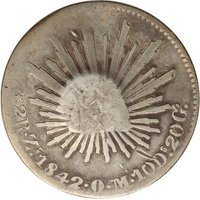
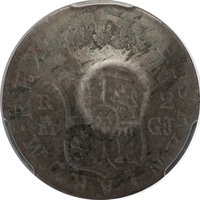
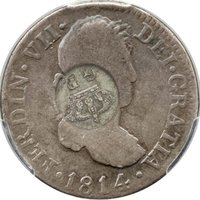
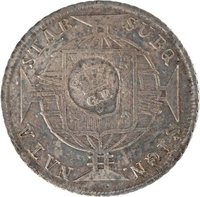
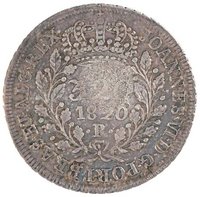
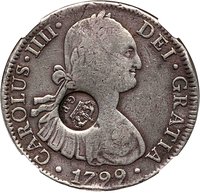
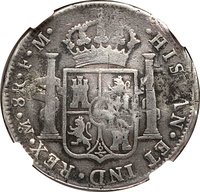
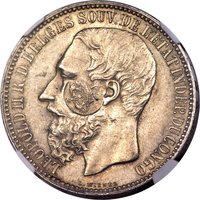
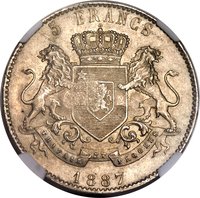
Technique: Countermarked
References
Numista: #102606
Value
Bullion value: $3.14
Mintings
| Year | Mint Mark | Mintage | Quality | Collection |
|---|---|---|---|---|
| 1887 | — | — |
Historical background
In 1887, the Azores, as an integral part of the Kingdom of Portugal, operated under the national Portuguese monetary system. The official currency was the Portuguese real (plural: réis), a decimal currency that had been established by the 1837 monetary reform. Transactions, both commercial and governmental, were conducted in réis, with banknotes and coins issued by the Bank of Portugal circulating alongside older, worn coinage from earlier reigns. The archipelago's economy, heavily dependent on agricultural exports like oranges and, increasingly, pineapples, was thus tied directly to Lisbon's fiscal policies and the value of the Portuguese real on international markets.
However, the currency situation was not without its local complexities. Due to the islands' geographic isolation and the nature of transatlantic trade, foreign coins, particularly Brazilian réis and British pounds sterling, were also present in circulation. These entered the local economy through returning emigrants, trade with Brazil (a former Portuguese colony), and commerce with ships from the British Empire, which maintained a strategic interest in the Azores. This created a de facto multi-currency environment in ports like Ponta Delgada and Horta, where exchange rates between Portuguese, Brazilian, and British money were a routine part of business.
The year 1887 fell within a period of relative monetary stability for Portugal, preceding the severe inflation and debt crises that would culminate in the 1891 bankruptcy. Nonetheless, the Azores, as a peripheral region, often felt economic pressures more acutely. The local economy was vulnerable to fluctuations in commodity prices and remittances from Azorean emigrants in North America and Brazil. Therefore, while the legal currency framework was straightforward, the practical monetary experience in the Azores was shaped by its oceanic crossroads position, integrating national currency with the tangible remnants of its Atlantic diaspora and trade networks.
However, the currency situation was not without its local complexities. Due to the islands' geographic isolation and the nature of transatlantic trade, foreign coins, particularly Brazilian réis and British pounds sterling, were also present in circulation. These entered the local economy through returning emigrants, trade with Brazil (a former Portuguese colony), and commerce with ships from the British Empire, which maintained a strategic interest in the Azores. This created a de facto multi-currency environment in ports like Ponta Delgada and Horta, where exchange rates between Portuguese, Brazilian, and British money were a routine part of business.
The year 1887 fell within a period of relative monetary stability for Portugal, preceding the severe inflation and debt crises that would culminate in the 1891 bankruptcy. Nonetheless, the Azores, as a peripheral region, often felt economic pressures more acutely. The local economy was vulnerable to fluctuations in commodity prices and remittances from Azorean emigrants in North America and Brazil. Therefore, while the legal currency framework was straightforward, the practical monetary experience in the Azores was shaped by its oceanic crossroads position, integrating national currency with the tangible remnants of its Atlantic diaspora and trade networks.
Series: Crowned G.P.

✨ Legendary