

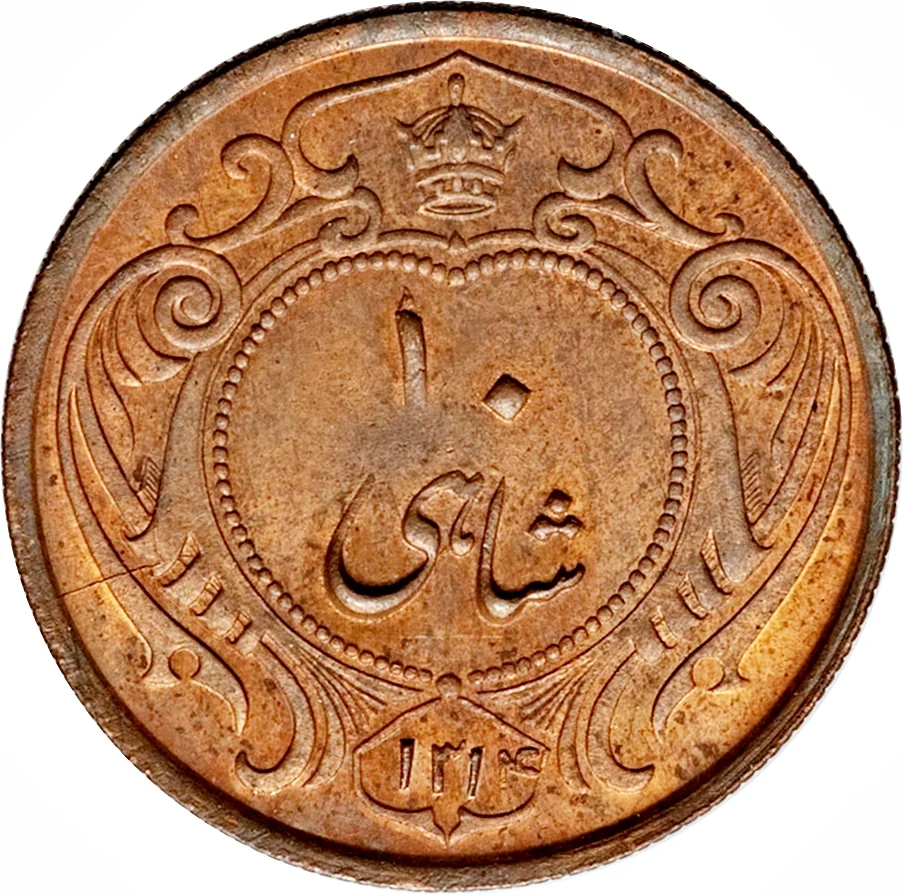
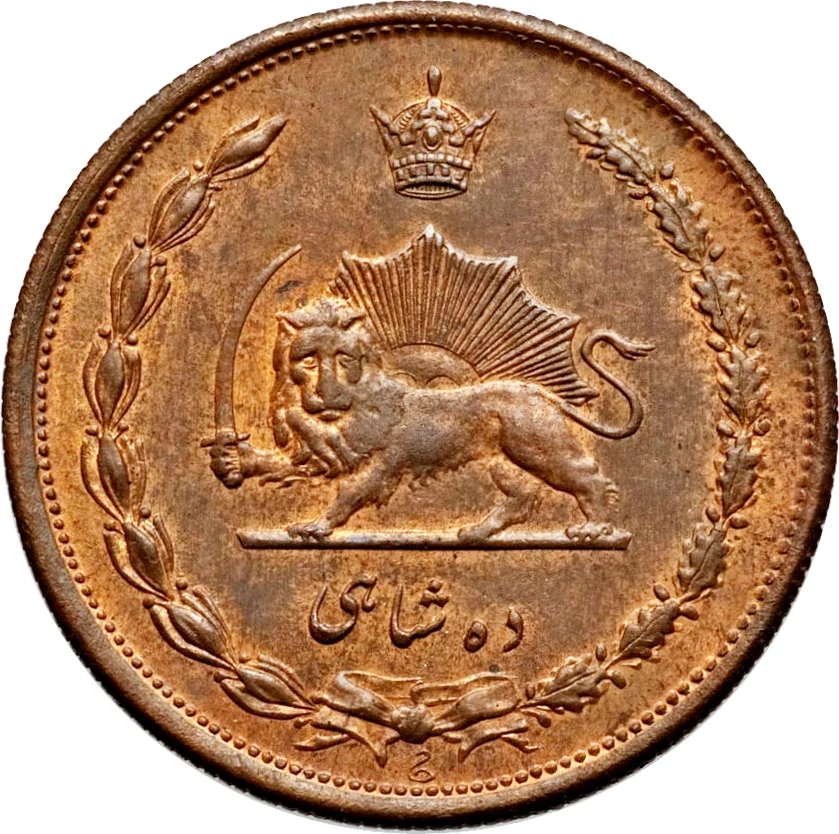
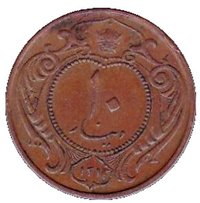
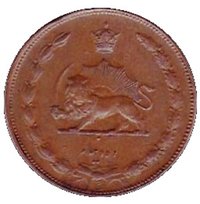
10 shahi – Iran
Add to wishlist
Iran
Context
Year: 1935
Iranian - Persian Year:: 1314
Issuer: Iran
Ruler: Reza Shah
Currency:
(since 1932)
Subdivision: 10 shahi = ½ Dinar
Demonetization: 1941
Total mintage: 15,714,000
Material
References
KM: #
Numista: #36908
Value
Exchange value: 0.5 IRR
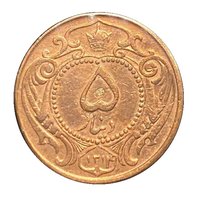
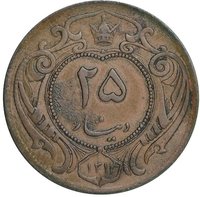
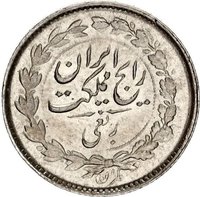
Obverse
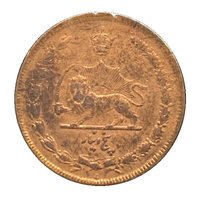
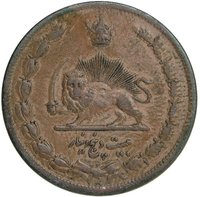
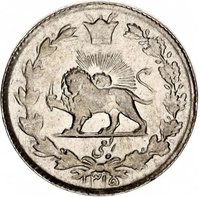
Reverse
Edge
Variety
Mintings
| Year | Mint Mark | Mintage | Quality | Collection |
|---|---|---|---|---|
| 1935 | — | 15,714,000 |
Historical background
In 1935, Iran's currency system was in a state of transition, anchored by the rial but still deeply influenced by its historical predecessor, the toman. The rial, formally introduced in 1932 to replace the qiran, was the official unit of account, with one toman equaling 10 rials. However, in everyday public life and commerce, the toman remained the dominant mental and verbal unit for pricing and large transactions, a cultural and economic persistence that created a dual system and occasional confusion, especially for foreigners. The currency was issued and managed by the Bank Melli Iran (National Bank of Iran), which held a monopoly note-issuing authority granted in 1930.
This period fell within the assertive modernization drive of Reza Shah Pahlavi, who sought to centralize state power and economic control. The currency reforms were part of a broader agenda to standardize and unify the nation's financial infrastructure, reducing reliance on foreign banks and stabilizing the monetary system. While the rial was pegged to the British pound sterling as part of the sterling area, the global economic turbulence of the Great Depression still exerted pressure, affecting trade balances and the value of silver coins still in circulation alongside paper notes.
Overall, the currency situation reflected a country caught between tradition and enforced modernization. The state's institutional framework was being methodically reshaped, yet public habit and tradition resisted full adoption of the new formal system. Consequently, 1935 represents a point where the legal and practical realities of Iranian currency were misaligned, a duality that has, in fact, persisted in colloquial usage to the present day, long after the rial's official establishment.
This period fell within the assertive modernization drive of Reza Shah Pahlavi, who sought to centralize state power and economic control. The currency reforms were part of a broader agenda to standardize and unify the nation's financial infrastructure, reducing reliance on foreign banks and stabilizing the monetary system. While the rial was pegged to the British pound sterling as part of the sterling area, the global economic turbulence of the Great Depression still exerted pressure, affecting trade balances and the value of silver coins still in circulation alongside paper notes.
Overall, the currency situation reflected a country caught between tradition and enforced modernization. The state's institutional framework was being methodically reshaped, yet public habit and tradition resisted full adoption of the new formal system. Consequently, 1935 represents a point where the legal and practical realities of Iranian currency were misaligned, a duality that has, in fact, persisted in colloquial usage to the present day, long after the rial's official establishment.
⭐ Somewhat Rare