

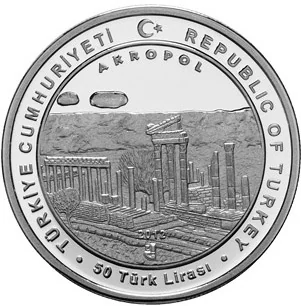
50 lira – Turkey
Add to wishlist
Turkey
Context
Material
Diameter: 38.61 mm
Weight: 31.1 g
Silver Weight:: 28.77 g
Shape: Round
Composition: 92.5% Silver
Standard: Silver ounce
Magnetic: No
Technique: Milled
Alignment: Medal alignment
flip
References
KM: #
Numista: #36879
Value
Exchange value: 50 TRY
Bullion value: $71.72
Inflation-adjusted value: 680.26 TRY
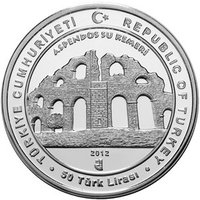
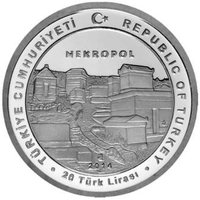
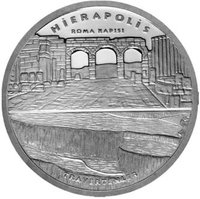
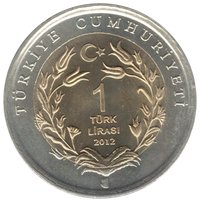
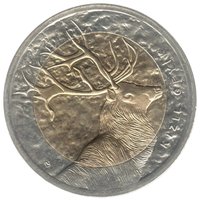
Obverse
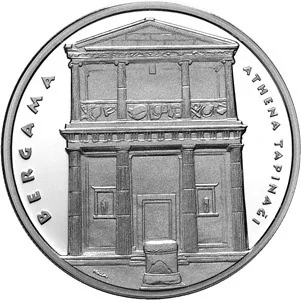
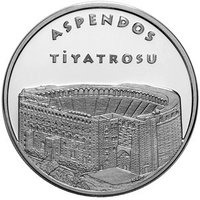
Reverse
Edge
Reeded
Mintings
| Year | Mint Mark | Mintage | Quality | Collection |
|---|---|---|---|---|
| 2012 | — | 569 | Proof |
Historical background
In 2012, Turkey's currency situation was characterized by a period of relative stability and strength for the Turkish Lira (TRY), but this came with significant underlying vulnerabilities. Following the 2008 global financial crisis, Turkey experienced a rapid recovery, attracting substantial foreign capital inflows due to its high growth rates and interest rates. This "hot money" increased demand for the lira, leading to significant appreciation. However, this appreciation raised concerns among policymakers and exporters, as a strong lira hurt Turkey's competitiveness by making its exports more expensive and widening its chronic current account deficit.
To manage the lira's value and support exporters, the Central Bank of the Republic of Turkey (CBRT) under Governor Erdem Başçı employed an unconventional monetary policy framework. Instead of focusing solely on a single policy rate, the CBRT utilized a complex "interest rate corridor," adjusting the gap between its overnight borrowing and lending rates to influence capital flows and lira volatility. The bank also actively built up its foreign exchange reserves through direct interventions in the market, aiming to curb excessive lira strength without fully halting its rise. This period was often described as a "managed float."
Despite the surface stability, the situation in 2o12 was fundamentally fragile. The economy's growth was heavily dependent on short-term foreign financing to fund its large current account deficit, making it vulnerable to sudden shifts in global risk sentiment. Critics warned that the strong lira masked structural economic weaknesses and that any reversal of capital flows could lead to rapid depreciation. These concerns would materialize in the coming years, particularly after the 2013 "Taper Tantrum," when the lira began a long-term downward trend against major currencies, exposing the latent pressures built up during this period of managed strength.
To manage the lira's value and support exporters, the Central Bank of the Republic of Turkey (CBRT) under Governor Erdem Başçı employed an unconventional monetary policy framework. Instead of focusing solely on a single policy rate, the CBRT utilized a complex "interest rate corridor," adjusting the gap between its overnight borrowing and lending rates to influence capital flows and lira volatility. The bank also actively built up its foreign exchange reserves through direct interventions in the market, aiming to curb excessive lira strength without fully halting its rise. This period was often described as a "managed float."
Despite the surface stability, the situation in 2o12 was fundamentally fragile. The economy's growth was heavily dependent on short-term foreign financing to fund its large current account deficit, making it vulnerable to sudden shifts in global risk sentiment. Critics warned that the strong lira masked structural economic weaknesses and that any reversal of capital flows could lead to rapid depreciation. These concerns would materialize in the coming years, particularly after the 2013 "Taper Tantrum," when the lira began a long-term downward trend against major currencies, exposing the latent pressures built up during this period of managed strength.
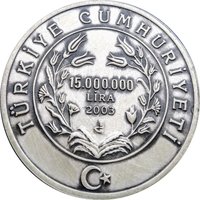
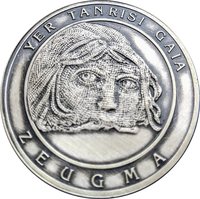
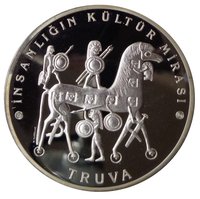
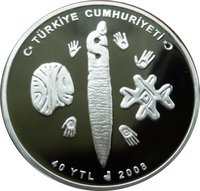
Series: Ancient cities


✨ Legendary