

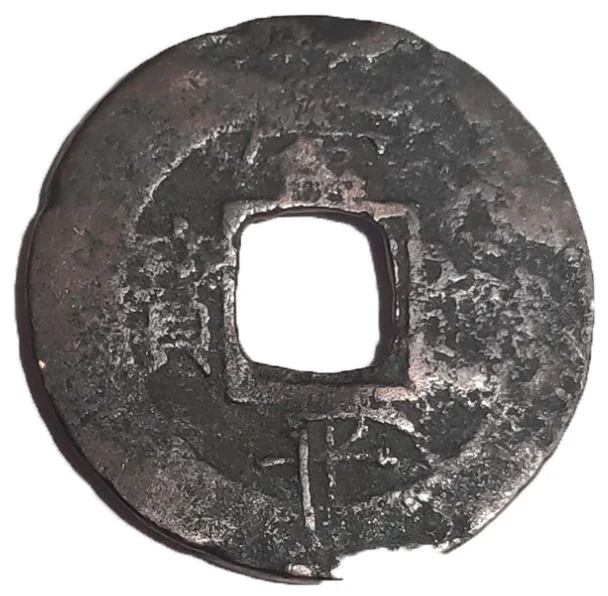
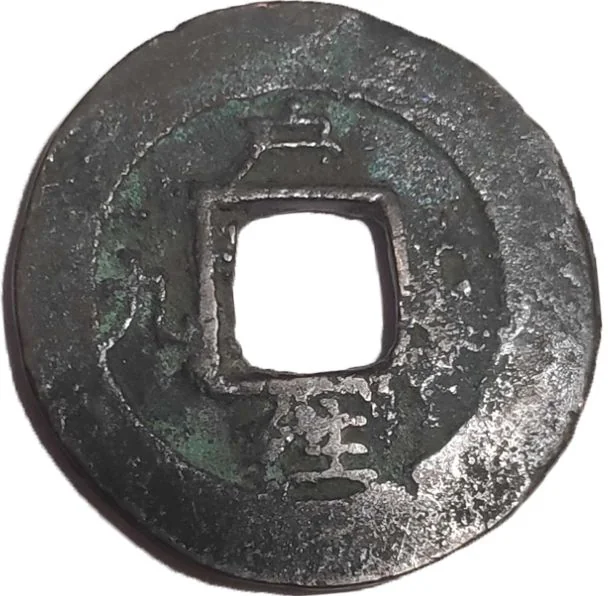
1 mun – Joseon
Add to wishlist
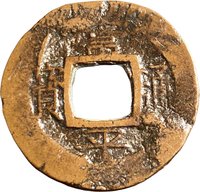
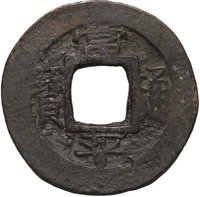
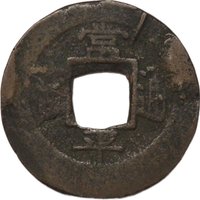
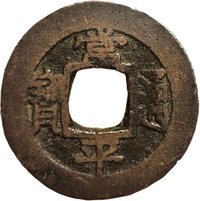
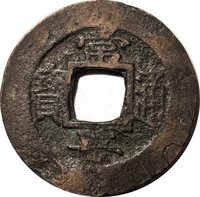
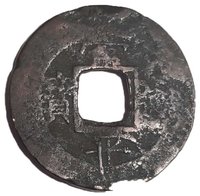
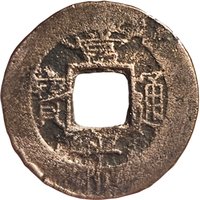
Obverse
Description:
常平通寶 (Sang pyong Tong bo) - Yi Dynasty Korean currency.
Inscription:
常
寶 通
平
寶 通
平
Translation:
Eternal Treasure
Circulating Currency
Circulating Currency
Scripts: Chinese (traditional, regular script)
Language: Chinese
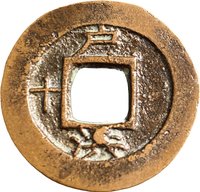
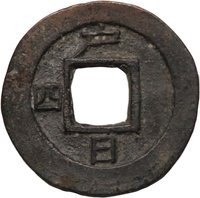
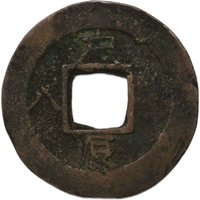
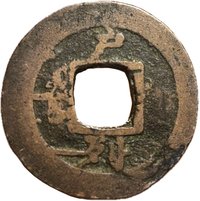
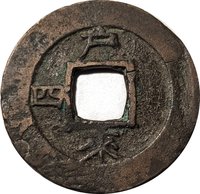
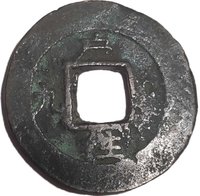
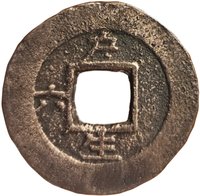
Reverse
Description:
Mint top, wang bottom, serial left.
Inscription:
户
九
往
九
往
Translation:
Household
Nine
Going
Nine
Going
Scripts: Chinese (traditional, regular script)
Language: Classical Chinese
Edge
Plain
Mints
| Name | Mark |
|---|---|
| Treasury Department | 户 |
Mintings
| Year | Mint Mark | Mintage | Quality | Collection |
|---|---|---|---|---|
| 1852 | 户 | — |
Historical background
In 1852, the currency system of the Joseon Dynasty was in a state of profound instability, caught between a rigid, state-managed ideal and a chaotic, inflationary reality. The official system was bimetallic, relying on low-denomination yeopjeon (brass coins) for daily transactions and high-value yang (silver bars) for large-scale commerce and taxation. However, the state's chronic fiscal deficits, exacerbated by corruption and weak central authority, led to repeated, unbacked coin minting. The Dangbaekjeon, a large-denomination brass coin introduced in the 17th century, had been debased and over-issued, triggering severe inflation and a loss of public trust in government-issued currency.
This monetary decay fueled a widespread reliance on private currency, most notably hwalgu (arrow coins), which were silver tokens privately minted and guaranteed by powerful merchant guilds in major cities like Kaesong. These tokens, alongside various forms of unjang (promissory notes) and commodity money like rice and cloth, formed a parallel economy that functioned more reliably than the official coinage. The circulation of these private currencies was a clear symptom of the state's failure to control the monetary supply and its retreat from one of its fundamental sovereign responsibilities.
The situation was further strained by external pressures. While the policy of seclusion remained officially in place, silver outflow to Qing China for trade imbalances was a persistent drain. Moreover, the peasantry bore the heaviest burden, as taxes were often calculated in grain or silver but collected in devalued coin, effectively increasing their obligations. Thus, the currency chaos of 1852 was not merely an economic issue but a critical manifestation of the dynasty's systemic administrative decay and its weakening grip on the economy, foreshadowing the greater crises that would unfold in the coming decades.
This monetary decay fueled a widespread reliance on private currency, most notably hwalgu (arrow coins), which were silver tokens privately minted and guaranteed by powerful merchant guilds in major cities like Kaesong. These tokens, alongside various forms of unjang (promissory notes) and commodity money like rice and cloth, formed a parallel economy that functioned more reliably than the official coinage. The circulation of these private currencies was a clear symptom of the state's failure to control the monetary supply and its retreat from one of its fundamental sovereign responsibilities.
The situation was further strained by external pressures. While the policy of seclusion remained officially in place, silver outflow to Qing China for trade imbalances was a persistent drain. Moreover, the peasantry bore the heaviest burden, as taxes were often calculated in grain or silver but collected in devalued coin, effectively increasing their obligations. Thus, the currency chaos of 1852 was not merely an economic issue but a critical manifestation of the dynasty's systemic administrative decay and its weakening grip on the economy, foreshadowing the greater crises that would unfold in the coming decades.
Series: 1852 Joseon circulation coins
✨ Legendary