

Obverse
Description:
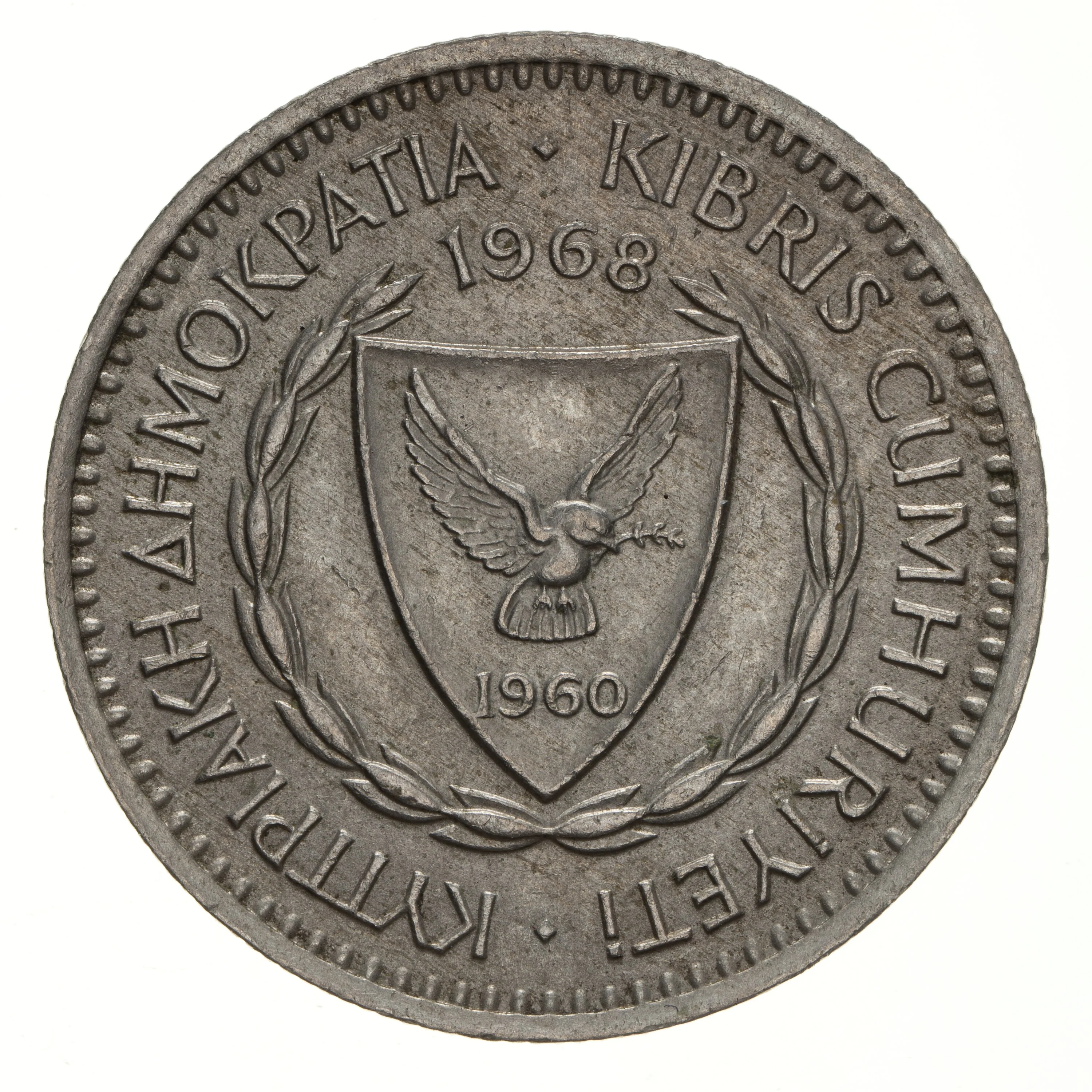
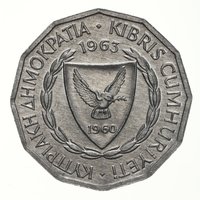
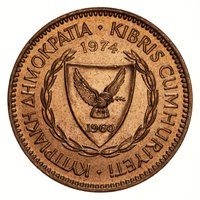
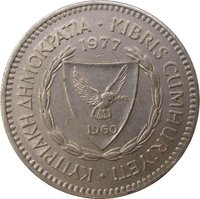
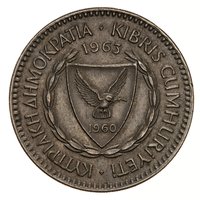
A dove with an olive twig and the year 1960, encircled by laurels, the date above, and the circular inscription: ΚΥΠΡΙΑΚΗ ΔΗΜΟΚΡΑΤΙΑ · KIBRIS CUMHURİYETİ.
Inscription:
ΚΥΠΡΙΑΚΗ ΔΗΜΟΚΡΑΤΙΑ · KIBRIS CUMHURİYETİ ·
1980
1960
1980
1960
Translation:
Cypriot Republic · Republic of Cyprus ·
1980
1960
1980
1960
Engraver: William Maving Gardner
Reverse
Description:
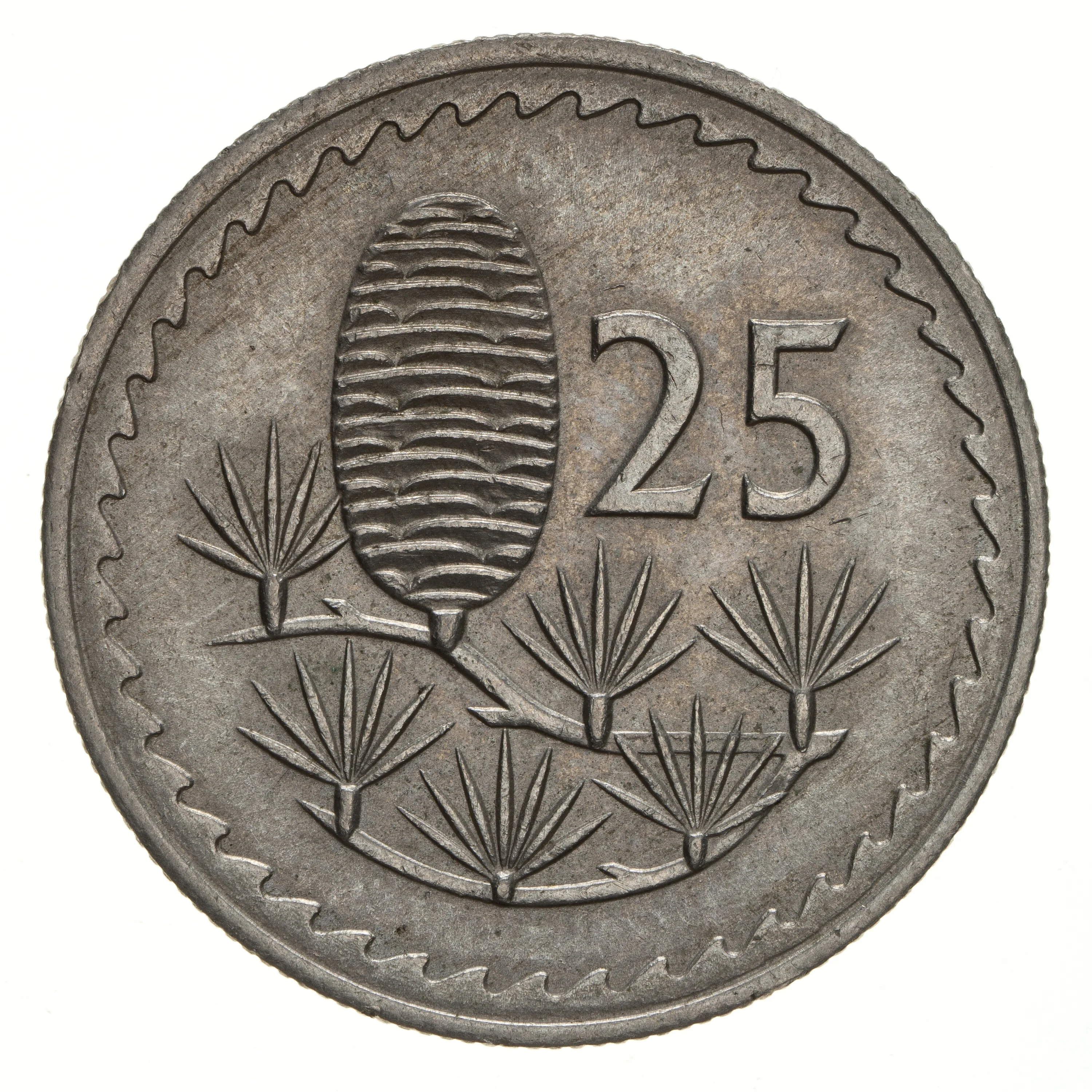
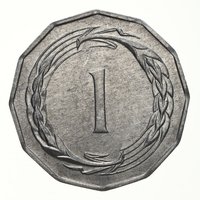
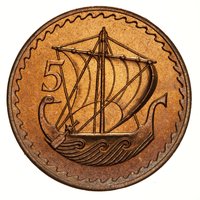
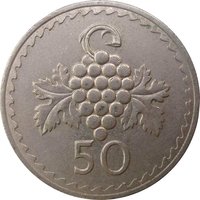
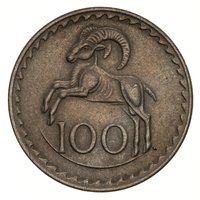
Cedar of Lebanon, left.
Inscription:
25
Translation:
In the 25th year of King George.
Language: Latin
Engraver: William Maving Gardner
Edge
Reeded
Categories
| Symbols> Coat of Arms |
| Plant> Tree |
Mints
| Name | Mark |
|---|---|
| Royal Mint (Tower Hill) | — |
| Royal Mint | — |
Mintings
| Year | Mint Mark | Mintage | Quality | Collection |
|---|---|---|---|---|
| 1963 | — | 2,500,000 | ||
| 1963 | — | 25,000 | Proof | |
| 1968 | — | 1,500,000 | ||
| 1971 | — | 1,000,000 | ||
| 1972 | — | 500,000 | ||
| 1973 | — | 1,000,000 | ||
| 1974 | — | 1,000,000 | ||
| 1976 | — | 2,000,000 | ||
| 1977 | — | 500,000 | ||
| 1978 | — | 500,000 | ||
| 1979 | — | 1,000,000 | ||
| 1980 | — | 2,000,000 | ||
| 1981 | — | 3,000,000 | ||
| 1982 | — | — | Proof | |
| 1982 | — | 1,000,000 |
Historical background
The currency situation in Cyprus in 1963 was directly shaped by the island's political crisis. Following independence from Britain in 1960, the Republic of Cyprus established the Cyprus Pound (CYP), which was initially pegged at par to the British Pound Sterling and remained part of the Sterling Area. This meant the currency was managed by the Central Bank of Cyprus, established in 1963, but its stability was closely tied to British monetary policy and reserves held in London.
The outbreak of intercommunal violence in December 1963, however, severely disrupted the unified economic and financial system. The partnership government collapsed, and the Turkish Cypriot community, withdrawing from state institutions, faced practical exclusion from the central banking system. This created an immediate liquidity crisis in Turkish Cypriot enclaves, as access to the official Cyprus Pound became difficult and trade channels were fractured.
In response, the Turkish Cypriot leadership, supported by Turkey, began to address the currency shortage by introducing notes issued by the "Cyprus Turkish Administration" in 1964. These were essentially vouchers or emergency notes, initially denominated in Cyprus Pounds, to facilitate local trade and payments. This marked the first concrete step toward a separate financial system, laying the groundwork for the de facto division of the island's currency landscape that would persist for decades.
The outbreak of intercommunal violence in December 1963, however, severely disrupted the unified economic and financial system. The partnership government collapsed, and the Turkish Cypriot community, withdrawing from state institutions, faced practical exclusion from the central banking system. This created an immediate liquidity crisis in Turkish Cypriot enclaves, as access to the official Cyprus Pound became difficult and trade channels were fractured.
In response, the Turkish Cypriot leadership, supported by Turkey, began to address the currency shortage by introducing notes issued by the "Cyprus Turkish Administration" in 1964. These were essentially vouchers or emergency notes, initially denominated in Cyprus Pounds, to facilitate local trade and payments. This marked the first concrete step toward a separate financial system, laying the groundwork for the de facto division of the island's currency landscape that would persist for decades.
Series: 1963 Cyprus circulation coins
🌱 Very Common