

200 dollars – Canada
Add to wishlist
Non-circulating coins
Series: Great explorers
Canada
Context
Material
Diameter: 29 mm
Weight: 15.43 g
Gold Weight:: 15.43 g
Thickness: 1.6 mm
Shape: Round
Composition: 99.99% Gold
Standard: Silver half ounce
Magnetic: No
Technique: Milled
Alignment: Medal alignment
flip
References
KM: #
Numista: #358225
Value
Exchange value: 200 CAD
Bullion value: $2370.26
Inflation-adjusted value: 266.01 CAD
Obverse
Description:
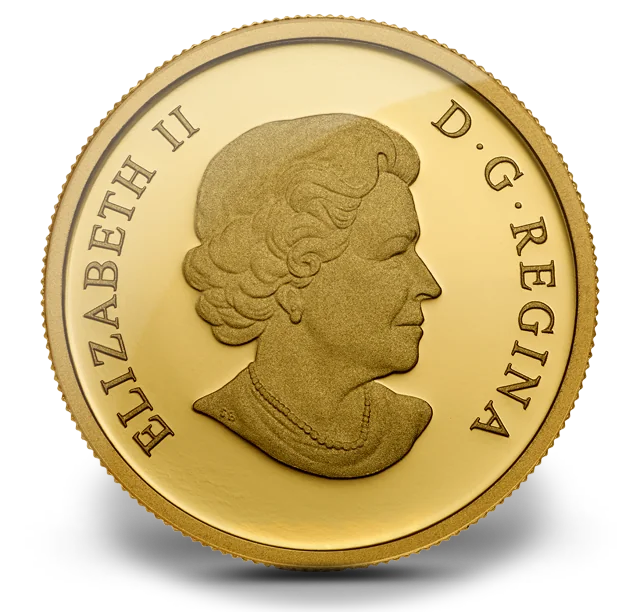
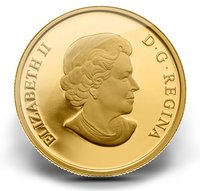
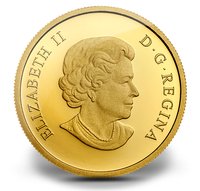
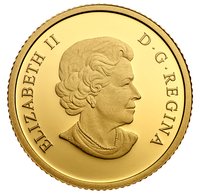
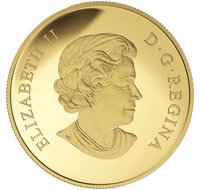
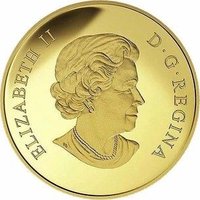
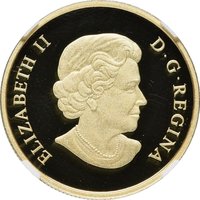
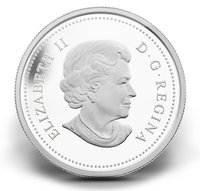
Queen Elizabeth II at 77, facing right, wearing a necklace and earrings.
Inscription:
ELIZABETH II D·G·REGINA
Translation:
Elizabeth II, by the Grace of God, Queen
Script: Latin
Language: Latin
Engraver: Susan Taylor
Designer: Susanna Blunt
Reverse
Description:
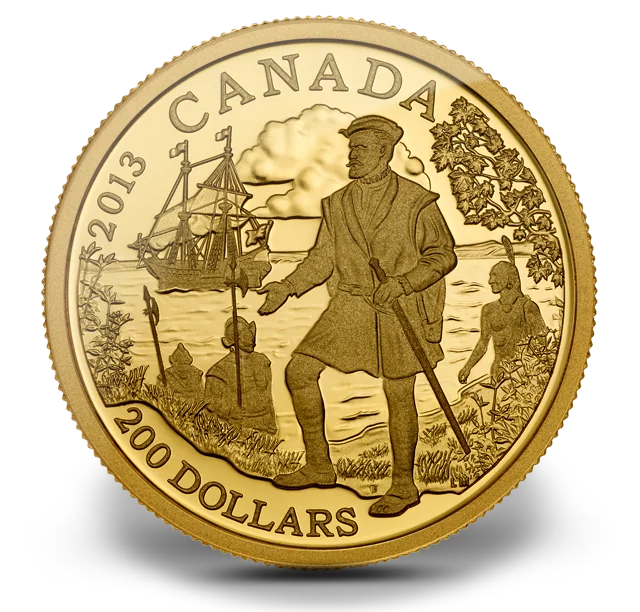
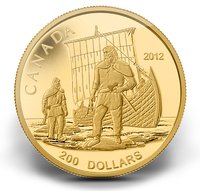
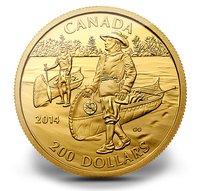
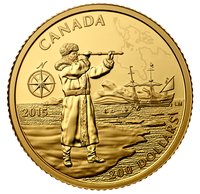
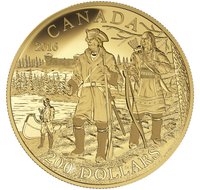
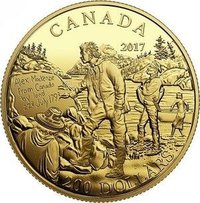
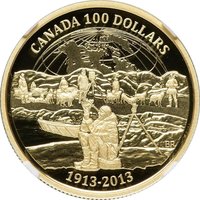
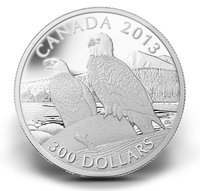
Designed by Laurie McGaw, this coin features Jacques Cartier surveying the land, accompanied by soldiers and a guide. It is engraved with "CANADA," "2013," and "200 DOLLARS."
Inscription:
2013 CANADA
200 DOLLARS
LM
200 DOLLARS
LM
Script: Latin
Engraver: José Osio
Designer: Laurie McGaw
Edge
Reeded
Categories
| Transportation> Watercraft |
| Person> Explorer |
Mints
| Name | Mark |
|---|---|
| Royal Canadian Mint of Ottawa | — |
Mintings
| Year | Mint Mark | Mintage | Quality | Collection |
|---|---|---|---|---|
| 2013 | — | 1,474 | Proof |
Historical background
In 2013, the Canadian dollar, often called the "loonie," experienced a notable shift in its trajectory, moving from a prolonged period of strength to a pronounced decline. For several years following the 2008-09 financial crisis, the currency had traded at or above parity with the U.S. dollar, buoyed by high global commodity prices, particularly for oil, and relatively strong economic fundamentals. This strength posed challenges for Canada's export-oriented manufacturing sector, especially in central Canada, as it made goods more expensive for foreign buyers.
The year marked a turning point as key supportive factors began to reverse. Most significantly, global oil prices softened, and a growing discount for Canadian heavy crude due to pipeline constraints and market access issues weighed heavily on the petro-currency. Concurrently, the economic outlook diverged from that of the United States; the U.S. Federal Reserve began signaling a tapering of its quantitative easing program, strengthening the U.S. dollar, while the Bank of Canada under Governor Stephen Poloz abandoned its mild tightening bias. Poloz emphasized that inflation remained persistently low and that significant economic slack existed, adopting a more dovish tone that further reduced support for the loonie.
By the end of 2013, the Canadian dollar had depreciated by approximately 7% against the U.S. dollar, falling below the 94-cent U.S. mark. This depreciation was broadly welcomed by exporters and policymakers as a necessary adjustment to restore competitiveness and rebalance the economy away from consumer debt-driven growth. The shift set the stage for a new era of a lower-valued currency that would deepen in the following years as oil prices collapsed in 2014.
The year marked a turning point as key supportive factors began to reverse. Most significantly, global oil prices softened, and a growing discount for Canadian heavy crude due to pipeline constraints and market access issues weighed heavily on the petro-currency. Concurrently, the economic outlook diverged from that of the United States; the U.S. Federal Reserve began signaling a tapering of its quantitative easing program, strengthening the U.S. dollar, while the Bank of Canada under Governor Stephen Poloz abandoned its mild tightening bias. Poloz emphasized that inflation remained persistently low and that significant economic slack existed, adopting a more dovish tone that further reduced support for the loonie.
By the end of 2013, the Canadian dollar had depreciated by approximately 7% against the U.S. dollar, falling below the 94-cent U.S. mark. This depreciation was broadly welcomed by exporters and policymakers as a necessary adjustment to restore competitiveness and rebalance the economy away from consumer debt-driven growth. The shift set the stage for a new era of a lower-valued currency that would deepen in the following years as oil prices collapsed in 2014.
Series: Great explorers
✨ Legendary