

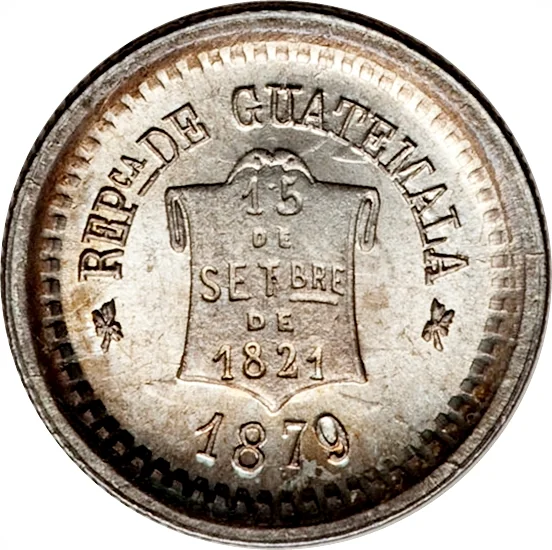
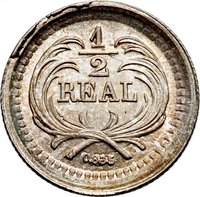
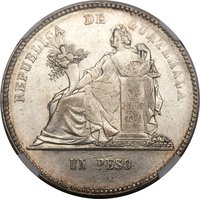
Obverse
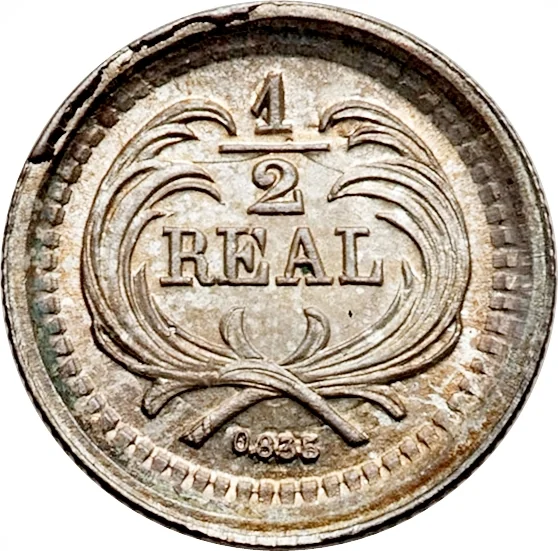
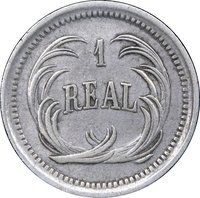
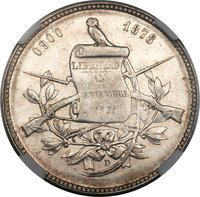
Reverse
Edge
Reeded
Mints
| Name | Mark |
|---|---|
| Casa de Moneda de Guatemala | — |
Mintings
| Year | Mint Mark | Mintage | Quality | Collection |
|---|---|---|---|---|
| 1878 | — | 320,767 | ||
| 1879 | — | — | ||
| 1893 | — | 359,292 |
Historical background
In 1878, Guatemala's currency situation was characterized by a complex and unstable bimetallic system, heavily influenced by the global decline in the price of silver. The nation operated on a theoretical standard where both gold and silver coins were legal tender, with a fixed ratio between them. However, this system was undermined by Gresham's Law, as the overvaluation of silver at the official mint rate caused gold coins, which held higher intrinsic value on the international market, to be hoarded or exported. Consequently, everyday commerce relied almost entirely on a chaotic circulation of silver pesos, fractional silver (reales), and a vast array of worn and clipped coins of dubious weight and purity.
This monetary disorder was exacerbated by a chronic shortage of small change, leading to the widespread use of low-value tokens issued by private entities like coffee fincas and municipal governments to pay laborers. The real value of the silver peso had also begun to diverge significantly from its face value, creating confusion and hindering both domestic trade and foreign investment. The government of President Justo Rufino Barrios, deeply committed to a modernization agenda through coffee-led export growth, recognized this monetary anarchy as a major obstacle to economic progress and international creditworthiness.
Therefore, 1878 fell within a critical period of monetary reform. The administration was actively laying the groundwork to abandon bimetallism and establish a new, stable currency. This effort would culminate in the Monetary Law of 1881, which formally adopted the gold standard and introduced the Guatemalan peso as the national unit, backed by and convertible into gold. Thus, the situation in 1878 was one of transition, marked by the palpable pressures of an outdated system straining against the demands of a modernizing export economy.
This monetary disorder was exacerbated by a chronic shortage of small change, leading to the widespread use of low-value tokens issued by private entities like coffee fincas and municipal governments to pay laborers. The real value of the silver peso had also begun to diverge significantly from its face value, creating confusion and hindering both domestic trade and foreign investment. The government of President Justo Rufino Barrios, deeply committed to a modernization agenda through coffee-led export growth, recognized this monetary anarchy as a major obstacle to economic progress and international creditworthiness.
Therefore, 1878 fell within a critical period of monetary reform. The administration was actively laying the groundwork to abandon bimetallism and establish a new, stable currency. This effort would culminate in the Monetary Law of 1881, which formally adopted the gold standard and introduced the Guatemalan peso as the national unit, backed by and convertible into gold. Thus, the situation in 1878 was one of transition, marked by the palpable pressures of an outdated system straining against the demands of a modernizing export economy.
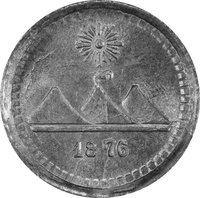
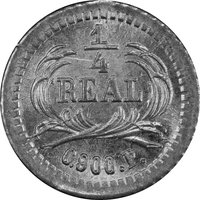
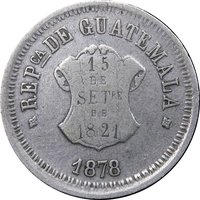
Series: 1878 Guatemala circulation coins
⭐ Somewhat Rare